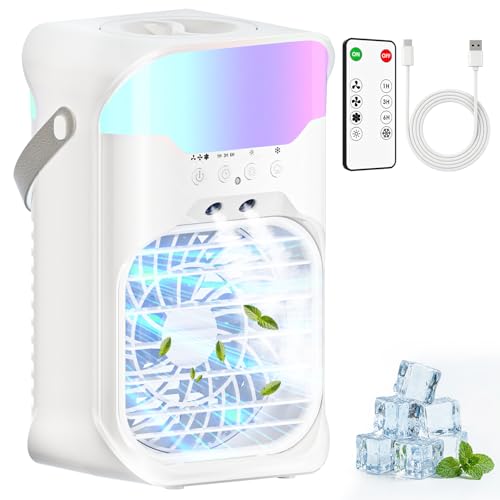
Portable Air Conditioner No Window Required: What Actually Works
If your room has no window, you can still cool it. The key is understanding how exhaust works, which venting solution fits your space, and which type of unit genuinely performs without a window opening.
Explore Venting SolutionsQuick clarity: No standard portable air conditioner cools a room without sending heat somewhere. The phrase "no window required" usually means a unit that can vent through a wall, a door, a ceiling, or a dedicated vent kit — not a unit that runs with zero exhaust. This guide explains every realistic option so you can choose with confidence.
Can a Portable AC Really Work Without a Window?
The short answer is yes, but with an important clarification. A portable air conditioner works by pulling heat and moisture out of the room and pushing that heat outside through an exhaust hose. The unit itself sits inside the room, but the heat has to leave somewhere. A window is simply the most common exit point, not the only one.
When shoppers search for a portable air conditioner no window required, they usually fall into one of three situations:
- They have a room with no window at all, such as a basement interior room, server closet, or converted storage space.
- They have a window but it cannot open, or it is a style that does not accept a standard window kit, such as a fixed pane or casement window.
- They want a unit that requires no installation at all and no venting of any kind.
The first two situations are solvable with the right venting approach. The third situation describes a different product category entirely — an evaporative cooler, which we explain in detail below. Understanding which situation matches your room is the single most important step before buying anything.
If your room genuinely has no window, the dedicated guide on portable air conditioners for rooms with no window walks through the specific constraints of that setup. For rooms that have no windows whatsoever and need a complete strategy, see the guide on cooling a room without windows.
How a Portable Air Conditioner Actually Works
Understanding the mechanics takes about two minutes and saves you from buying the wrong product. A portable air conditioner contains a compressor, an evaporator coil, a condenser coil, and a fan. Here is the sequence:
- The unit draws warm room air across the evaporator coil, which absorbs heat and moisture.
- That cooled air is blown back into the room.
- The absorbed heat is transferred to the refrigerant and moved to the condenser coil.
- A fan pushes that heat out through the exhaust hose.
- Moisture collected during cooling either drains into a tank or evaporates through a self-evaporating system.
The exhaust hose is non-negotiable for a refrigerant-based portable AC. That is why every genuine portable air conditioner ships with a hose and a window kit. The window kit is simply the most convenient way to seal the gap around the hose. If you do not have a window, you need an alternative exit — and there are several.
A related concept worth understanding is the difference between single-hose and dual-hose designs. A single-hose portable air conditioner pulls replacement air from the room, which creates mild negative pressure. A dual-hose unit pulls outside air for the condenser side, which is more efficient but requires two openings or a wider vent. For windowless rooms, single-hose units are usually simpler to route.
Venting Solutions When You Have No Window
This is the practical heart of the guide. Below are the realistic ways to exhaust a portable AC when a standard window is unavailable, ranked by how commonly they are used and how well they perform.
1. Wall Vent Kit
A wall vent kit installs a permanent or semi-permanent opening in an exterior wall, typically with a weatherproof flap. The exhaust hose connects to it from inside. This is the cleanest long-term solution for a room with no window but with at least one exterior wall. It requires drilling a hole through the wall, so it is best suited to homeowners rather than renters.
2. Sliding Glass Door Kit
If your room has a sliding glass door, a door seal kit creates a sealed panel with a hose opening. This is a strong option for apartments and living rooms. The guide on portable air conditioners for sliding windows covers the kit types in detail, and the dedicated sliding window kit guide explains how to seal the panel properly.
3. Drop Ceiling or Attic Vent
In some commercial or basement spaces, the exhaust hose can be routed into a drop ceiling cavity that vents to the exterior. This only works if the ceiling cavity genuinely connects to outside air. Never vent into a sealed ceiling void — the heat will simply return to the room and may cause moisture damage.
4. Dryer Vent Connection
A dryer vent is an existing exterior opening. With a proper adapter, the exhaust hose can connect to it. This is efficient but requires care: the dryer vent must not be in active use at the same time, and the connection must be sealed to prevent backdraft. This approach is more common in utility rooms and basements.
5. Door Seal Kit to a Hallway or Adjacent Space
This is a compromise, not a true solution. Venting into a hallway pushes heat into the rest of the building rather than outside. It can work in a pinch for short periods, but it is not recommended as a permanent setup because the heat has nowhere to go.
6. Purpose-Built Ventless or Evaporative Units
If absolutely no exhaust route exists, the only honest recommendation is an evaporative cooler, often marketed as a portable air conditioner with no vent required. These units cool by evaporating water and do not exhaust heat. They work well in dry climates but add humidity, which makes them a poor fit for humid regions. The guide on portable air conditioners with evaporative technology explains when this category makes sense.
Venting Method Comparison
| Venting Method | Best For | Installation Effort | Efficiency | Renter Friendly |
|---|---|---|---|---|
| Wall vent kit | Rooms with an exterior wall, permanent setup | Moderate (drilling required) | High | No |
| Sliding glass door kit | Apartments and living rooms with sliding doors | Low | High | Yes |
| Drop ceiling / attic vent | Basements and commercial spaces | Moderate to high | Medium to high | Depends on lease |
| Dryer vent connection | Utility rooms and basements | Low to moderate | High | Usually yes |
| Door seal to hallway | Temporary or short-term relief | Very low | Low | Yes |
| Evaporative cooler (no vent) | Dry climates, fully sealed rooms | None | Climate dependent | Yes |
Efficiency here refers to cooling performance per unit of energy in a typical residential setting. Climate and room layout always affect real-world results.
BTU Sizing for Windowless Rooms
Sizing follows the standard rule of roughly 20 BTU per square foot of floor area for a room with an 8-foot ceiling. Windowless rooms, however, tend to trap heat because there is no natural ventilation. Adding 10 to 20 percent capacity is a sensible adjustment.
- Up to 150 sq ft: 5,000 to 6,000 BTU is usually sufficient for a standard room. See the very small room guide for compact spaces.
- 150 to 250 sq ft: 8,000 to 10,000 BTU is the typical range. The small bedroom guide covers this size well.
- 250 to 400 sq ft: 12,000 to 14,000 BTU is appropriate for most setups.
- 400 sq ft and above: 14,000 BTU or higher, and consider whether a single unit can realistically distribute air across the space.
Two additional factors matter in windowless rooms. First, equipment heat: a server closet or home office with active electronics needs more capacity than its floor area suggests. The server closet cooling guide addresses this directly. Second, ceiling height: rooms taller than 8 feet need proportionally more capacity.
What to Look For in a Portable AC for a Windowless Room
Beyond BTU, several features make a real difference when there is no window. A structured checklist on what to look for in a portable air conditioner covers the full picture, but these are the priorities for this specific scenario.
Exhaust Hose Length and Flexibility
Most hoses run 5 to 7 feet. In a windowless room, you may need to route the hose around furniture or up toward a ceiling vent. A longer, flexible hose with a secure connector reduces frustration during installation.
Condensate Management
Without a window, draining a water tank is inconvenient because you cannot simply tip it outside. A self-evaporating system or a built-in condensate pump is a major convenience. Units that require manual draining should be avoided in sealed rooms. The guide on portable air conditioners that require no draining lists the relevant models.
Noise Level
Windowless rooms are often bedrooms, home offices, or studios where quiet operation matters. Look for decibel ratings under 55 dB for sleeping areas. The small apartment guide discusses noise considerations in compact living spaces.
Air Purification and Humidity Control
Sealed rooms accumulate dust and stale air. A unit with a built-in filter or an air purifier function improves the overall experience. In humid climates, a dehumidifier mode is equally important, because a portable AC that only cools without removing moisture can leave the room clammy. The humid climate guide explains this in depth.
Inverter Compressor Technology
An inverter compressor modulates speed rather than cycling on and off. In a sealed room, this produces steadier temperatures and lower energy use over long runs. It is a meaningful upgrade for rooms that will be cooled for many hours per day.
Heat Pump Capability
If the room is used year-round, a portable AC with a heat pump provides both cooling and heating from the same unit and the same vent. This is efficient in a room where installing two separate appliances is impractical.
Portable AC Tiers for Windowless Rooms
Product positioning in this category falls into recognizable tiers. The descriptors below are relative and stable over time, which makes them more useful than transient figures.
| Tier | Typical Characteristics | Best For |
|---|---|---|
| Entry-level | Manual drain tank, single-speed compressor, basic mechanical controls, shorter hose | Occasional use in small rooms, short cooling sessions |
| Mid-range | Self-evaporating system, digital controls, timer, slightly quieter operation, multi-speed fan | Daily use in bedrooms, home offices, and studios |
| Premium | Inverter compressor, condensate pump, air purification, low noise, smart controls | Long daily runtime in sealed rooms, sensitive sleeping environments |
| Top-tier | Dual-hose or high-efficiency single-hose design, heat pump mode, robust build, advanced filtration | Year-round climate control in rooms where venting is fixed and permanent |
Mid-range and premium tiers are usually the most sensible match for windowless rooms, because self-evaporating systems and quieter operation directly address the two biggest frustrations in that setting. Entry-level units remain a reasonable fit for occasional use, but manual draining becomes tedious quickly in a sealed space.
Common Mistakes to Avoid
- Buying a "ventless" refrigerant AC. If a listing claims a compressor-based unit needs no exhaust, treat that claim with skepticism. Genuine no-vent products are evaporative coolers, and they behave differently.
- Venting into a sealed ceiling or wall cavity. The heat returns to the room and moisture can cause damage. The exhaust must reach outside air.
- Ignoring the door gap. A hose routed through a doorway leaves a gap that pulls hot air back in. Use a proper door seal panel to maintain the pressure balance.
- Choosing a unit without self-evaporation. In a room with no window, emptying a drain tank multiple times a day is impractical. Prioritize self-evaporating or pump-assisted models.
- Oversizing for a small sealed room. Short cycling reduces comfort and dehumidification. Match capacity to the space, then add a small margin.
- Skipping the hose insulation. An uninsulated hose radiates heat back into the room. An insulated exhaust hose is a simple improvement that noticeably helps.
If a unit is running but not producing cold air, the problem is often airflow or venting rather than the appliance itself. The troubleshooting guide on portable AC not blowing cold air but running covers the diagnostic steps, and the guide on portable AC not cooling enough addresses performance shortfalls.
Key Takeaways
- A portable air conditioner without a window is achievable, but the heat must exit through a wall vent, sliding door kit, dryer vent, or ceiling route.
- True no-vent products are evaporative coolers, which add humidity and only suit dry climates.
- For sealed rooms, prioritize self-evaporating drainage, quiet operation, and inverter technology.
- Size by floor area at roughly 20 BTU per square foot, then add 10 to 20 percent for trapped heat.
- Seal the exhaust route completely; leaks undermine both cooling and efficiency.
Frequently Asked Questions
Can a portable air conditioner work without a window?
Yes, if you provide an alternative exhaust route. A wall vent kit, sliding door kit, dryer vent, or ceiling vent can replace a window. A true ventless refrigerant AC does not exist; products marketed that way are usually evaporative coolers, which cool differently and add humidity.
Is there a portable air conditioner that does not need to be vented?
Only evaporative coolers genuinely need no venting. They cool by evaporating water and are effective in dry climates. A refrigerant-based portable air conditioner always needs to exhaust heat somewhere. The guide on portable air conditioners with no venting required explains the distinction.
How do I vent a portable AC in a room with no windows?
Choose an exit that reaches outside air. Common options include a wall vent kit, a sliding glass door seal kit, a dryer vent adapter, or a ceiling route that connects to the exterior. Avoid venting into hallways or sealed cavities.
What size portable AC do I need for a windowless room?
Use approximately 20 BTU per square foot, then add 10 to 20 percent to account for trapped heat. A 150 square foot room typically needs 5,000 to 6,000 BTU, and a 300 square foot room needs about 8,000 to 10,000 BTU.
Do portable AC units need to be drained in a sealed room?
Some do, but many modern units use a self-evaporating system or a condensate pump that removes water automatically. In a sealed room, prioritize a unit that does not need manual draining.
Ready to Choose the Right Unit?
Use the guidance above to match venting method and capacity to your room. The recommended models below are selected for performance in sealed and windowless spaces.
View Recommended Models