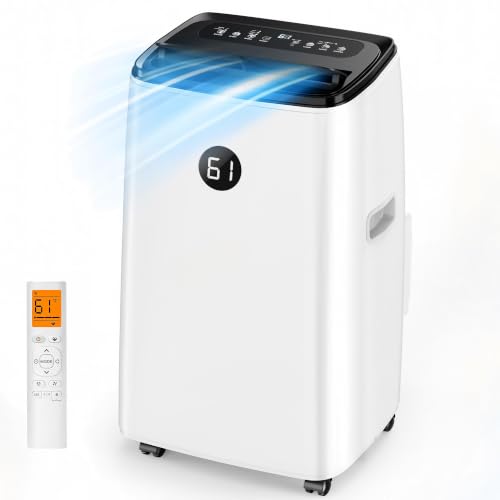
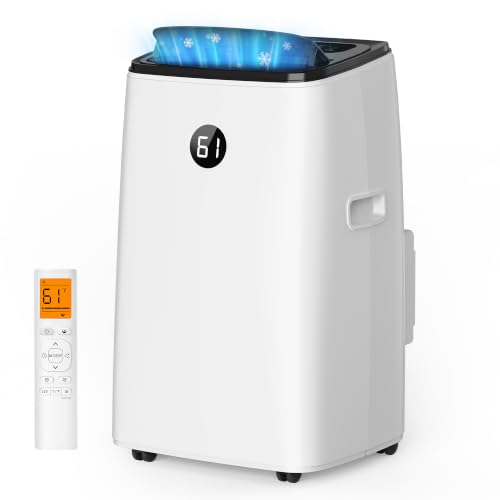
Portable Air Conditioner Stand Up Windowless: The Complete Guide
Everything you need to know about cooling a room that has no traditional window opening — venting strategies, sizing rules, and how to choose a stand-up portable AC that actually performs.
Explore Top PicksQuick Answer: A portable air conditioner stand up windowless unit is not a magical device that cools without airflow — it is a portable AC paired with an alternative exhaust method. The hot air must still leave the room through a wall vent, a sliding door kit, a drop-ceiling opening, or a specialized windowless venting kit. Once you understand that principle, choosing the right unit becomes straightforward.
What Does "Windowless" Really Mean for a Portable AC?
The term windowless portable air conditioner is widely searched, but it can be misleading. A compressor-based portable AC cannot cool a sealed room indefinitely — it absorbs heat from the room and must reject that heat somewhere. In a standard setup, the exhaust hose carries hot air out through a window slider kit. When there is no window, the same exhaust principle still applies, but the exit point changes.
So "windowless" in practice means one of the following configurations:
- Wall-vented setup: A small wall sleeve or dryer-style vent is installed, and the exhaust hose connects to it.
- Sliding-door or patio-door kit: The hose is routed through a door opening with a sealing panel.
- Drop-ceiling or plenum venting: Common in offices, server rooms, and basements where a ceiling cavity exists.
- Windowless vent kit for basements: A dedicated kit that seals around the hose in a small opening or existing utility vent.
- Evaporative or hybrid units: These are not true refrigerated ACs; they use water evaporation and are only effective in dry climates.
Important Distinction
If a product claims to be a "truly ventless portable air conditioner," read the fine print. Most are evaporative coolers, personal cooling devices, or units with a small self-evaporating condensate system — but they still need an exhaust path for heat. A refrigerated portable AC without any exhaust is physically limited and will underperform in a closed room.
How a Stand-Up Portable AC Works in a Windowless Room
Understanding the airflow path helps you set up the unit correctly. A stand-up portable air conditioner has two air streams:
- Room air intake: The unit pulls warm indoor air across an evaporator coil, cooling it and blowing it back into the room.
- Hot air exhaust: Heat absorbed from the room, plus heat generated by the compressor, is pushed out through the exhaust hose.
In a windowless room, the exhaust hose must connect to a dedicated exit. If the hose simply dumps hot air back into the same room, the unit fights itself and cooling performance drops sharply. The intake and exhaust design is therefore the single most important factor to evaluate. Units with a single-hose design pull conditioned room air and exhaust it outside, creating negative pressure that draws warm outside air back in through gaps. Dual-hose units separate the intake and exhaust streams and generally perform better in sealed rooms.
If you are comparing configurations, our guide on portable air conditioner intake and exhaust explains the difference in detail. For rooms with no window at all, the practical reference is the portable air conditioner for room with no window setup guide.
Venting Options When There Is No Window
The venting method determines how well the unit performs and how much installation work is required. Here are the most practical approaches:
Wall Vent Sleeve
A small opening is cut through an exterior wall and fitted with a louvered sleeve. The exhaust hose connects directly. This is the most permanent and efficient solution for basements and interior rooms.
Sliding Door Kit
An adjustable panel seals the door opening while the hose passes through. Ideal for apartments with patio doors but no operable windows in the target room.
Drop-Ceiling Plenum
Common in commercial spaces. The hose routes into the ceiling cavity and out through a return-air path. Requires verification that the ceiling cavity vents outdoors.
Dedicated Vent Kit
Some manufacturers offer windowless vent kits with a wall plate and sealing collar. These are the cleanest retrofit option for renters who cannot cut a large opening.
For a deeper look at vent-free claims, see portable air conditioner without window vent and portable air conditioners no venting required — both clarify which products genuinely reduce venting requirements and which still need an exhaust path.
Sizing a Portable AC for a Windowless Room
Sizing follows the same BTU-per-square-foot principle used for any room air conditioner, with a few adjustments for enclosed spaces:
- Baseline: 20 BTU per square foot of floor area.
- Sun exposure: Add 10% for a room that receives direct sun through glass doors or skylights.
- Occupancy: Add roughly 600 BTU per additional person beyond the first two.
- Heat sources: Add 4,000 BTU for kitchens or rooms with servers, printers, or large electronics.
- Ceiling height: For ceilings above 8 feet, scale BTU upward proportionally.
Windowless rooms often have less natural air exchange, so avoid undersizing. A unit that is slightly above the calculated baseline will cycle less aggressively and maintain a more stable temperature. For small enclosed spaces, the portable air conditioner for very small room guide offers a tighter sizing framework.
| Room Size | Suggested Capacity | Best For | Tier Guidance |
|---|---|---|---|
| Up to 150 sq ft | 5,000–6,000 BTU | Bedrooms, home offices, small basements | entry-level |
| 150–250 sq ft | 8,000–10,000 BTU | Studio apartments, medium offices | mid-range |
| 250–400 sq ft | 12,000–14,000 BTU | Living rooms, larger basements | premium |
| 400+ sq ft | 14,000 BTU+ or multi-unit | Open-plan spaces, commercial rooms | top-tier |
Key Features to Evaluate Before Buying
1. Single-Hose vs. Dual-Hose Design
Dual-hose units are generally the better choice for windowless rooms because they do not create strong negative pressure. A single-hose model pulls conditioned air out of the room along with the hot exhaust, which can draw warm air back through door gaps. If you must use a single-hose unit, seal the room as tightly as possible. Our breakdown of portable air conditioner single hose performance explains the trade-offs.
2. Condensate Management
Portable ACs produce condensation. Many modern units use a self-evaporating system that recycles condensate to cool the condenser coil, reducing how often you need to empty a tank. In a windowless room, a portable air conditioner with self-evaporating system is a practical advantage because you avoid carrying water through the space.
3. Noise Level
Compressor noise is unavoidable, but design quality varies. Premium-tier units typically use vibration isolation and quieter fan blades. If the room is a bedroom or home office, prioritize models with a sleep mode and a decibel rating in the lower range for their class.
4. Smart Controls
Wi-Fi control is genuinely useful in windowless rooms because you can schedule cooling before the room heats up. A portable air conditioner with WiFi control lets you manage the unit remotely and monitor runtime.
5. Inverter Technology
Inverter-driven compressors modulate speed instead of cycling on and off, which improves temperature stability and energy efficiency. They are especially valuable in sealed rooms where temperature swings are more noticeable. See portable air conditioner with inverter technology for a full comparison.
Step-by-Step: Setting Up in a Windowless Room
- Choose the exhaust path first Decide whether you will use a wall sleeve, sliding-door kit, ceiling plenum, or a dedicated windowless vent kit. The unit selection should follow the venting decision, not the other way around.
- Measure the room accurately Calculate square footage and apply the BTU adjustments above. Confirm the unit's recommended room size range covers your space.
- Position the unit near the exhaust point Keep the exhaust hose as short and straight as possible. Long, kinked hoses reduce airflow and cooling performance.
- Seal gaps around the vent Use foam tape, weatherstripping, or the kit's sealing collar to prevent hot outdoor air from re-entering. In windowless rooms, every gap matters more.
- Insulate the exhaust hose A hot hose radiates heat back into the room. An exhaust hose insulation sleeve is a simple upgrade that improves efficiency.
- Test airflow before full operation Run the fan-only mode first and check that hot air is exiting the vent and not leaking back into the room.
- Set a stable temperature Avoid extreme setpoints. A moderate setting keeps the compressor in its efficient range and prevents short cycling.
Room-Specific Considerations
Basements
Basements often have small windows or none at all. A portable air conditioner for basement window setup or a wall sleeve is usually the most effective route. Basements also tend to run humid, so prioritize a unit with strong dehumidification.
Apartments Without Operable Windows
Some apartments have sealed windows or only casement windows that do not accept standard slider kits. A portable air conditioner for casement windows kit or a sliding-door panel solves this. If the room truly has no opening, a portable air conditioner without window access may require a landlord-approved wall vent.
Small Bedrooms
For bedrooms, noise and footprint matter as much as cooling power. The portable air conditioning unit for bedroom guide covers placement, sleep modes, and cord routing.
Commercial and Server Rooms
These spaces often have drop ceilings and no windows. A portable air conditioner for commercial use with a ceiling plenum vent is a common solution. Verify that the ceiling cavity exhausts outdoors before relying on it.
Comparing Windowless Cooling Approaches
| Approach | Cooling Method | Venting Required | Best For |
|---|---|---|---|
| Portable AC + wall sleeve | Refrigerated compressor | Yes — wall opening | Permanent interior room cooling |
| Portable AC + sliding-door kit | Refrigerated compressor | Yes — door panel | Apartments with patio doors |
| Portable AC + ceiling plenum | Refrigerated compressor | Yes — ceiling cavity | Offices and server rooms |
| Evaporative cooler | Water evaporation | No exhaust | Dry climates only |
| Personal cooling device | Localized airflow | No | Spot cooling at a desk or bed |
If you are exploring non-compressor alternatives, the portable evaporative air cooler and portable cooling devices pages explain where each category is appropriate. For a true refrigerated unit with no outdoor condenser, see portable air conditioner without outdoor unit.
Common Mistakes to Avoid
- Expecting truly ventless operation: A refrigerated portable AC must exhaust heat. Products marketed as ventless are usually evaporative coolers or personal devices.
- Undersizing for a sealed room: Windowless rooms heat up faster because there is no natural cross-ventilation. Size slightly above the baseline.
- Ignoring hose length: A long, coiled exhaust hose traps heat and reduces airflow. Keep the run short and direct.
- Skipping insulation: An uninsulated hose radiates heat back into the room, forcing the compressor to work harder.
- Not sealing door gaps: In negative-pressure setups, warm air enters through every gap. Weatherstrip the door if possible.
- Choosing a single-hose unit for a tightly sealed room: Dual-hose designs are more balanced for enclosed spaces.
Renter-Friendly Tip
If you cannot modify the wall, a sliding-door kit or a removable windowless vent panel is the least invasive option. Some kits use a rigid foam board that fits into a small opening and seals with adhesive gaskets — no permanent changes required.
Maintenance for Long-Term Performance
A portable AC in a windowless room works harder because it cannot rely on open-window ventilation. Keep the following maintenance routine:
- Clean or replace the air filter every two weeks during peak use. A clogged filter reduces airflow and cooling capacity.
- Check the exhaust hose connection for leaks or disconnects. Even a small gap undermines performance.
- Drain the condensate tank regularly unless the unit has a self-evaporating system. Standing water can cause odors.
- Inspect the vent termination seasonally. Make sure the outdoor flap opens freely and no debris blocks the sleeve.
- Clean the condenser coil at the start of each cooling season. Dust buildup on the coil is a common cause of reduced cooling.
If cooling performance drops unexpectedly, the portable air conditioner not cooling enough troubleshooting guide covers the most likely causes.
Ready to Compare Windowless Portable AC Options?
Explore stand-up units with dual-hose design, self-evaporating condensate systems, and vent kits suitable for rooms without traditional windows.
View Recommended ModelsFrequently Asked Questions
Can a portable air conditioner work without a window?
A true refrigerated portable AC needs an exhaust path for hot air. Without a window, you can vent through a wall sleeve, a sliding-door kit, a ceiling plenum, or a dedicated windowless vent kit. The key is that the hot air leaves the room — not necessarily through a window.
Are there truly ventless portable air conditioners?
Most products marketed as "ventless" are evaporative coolers or personal cooling devices, not refrigerated air conditioners. Evaporative coolers add moisture and only work effectively in dry climates. Refrigerated portable ACs always require some exhaust method.
How many BTU do I need for a windowless room?
Start with 20 BTU per square foot. Add about 10% for direct sun exposure, 600 BTU per additional occupant, and 4,000 BTU for heat-generating appliances. Because windowless rooms have limited natural ventilation, a slightly above-baseline capacity is a practical choice.
Is a dual-hose portable AC better for a sealed room?
Yes, generally. Dual-hose units separate the intake and exhaust air streams, reducing negative pressure and preventing warm outside air from being drawn back into the room through gaps. Single-hose units can still work but require tighter sealing.
Can I use a portable AC in a basement with no windows?
Yes, but you need an exhaust solution. A wall sleeve or a dedicated windowless vent kit is common. Basements also tend to be humid, so choose a unit with effective dehumidification and a self-evaporating system if possible.
What is the difference between a stand-up portable AC and a window unit?
A stand-up portable AC sits on the floor and uses an exhaust hose, so it does not need a window-mounted installation. A window unit is installed directly in a window opening and does not require a hose. Portable units are more flexible for interior rooms, while window units are more efficient for rooms with suitable windows.