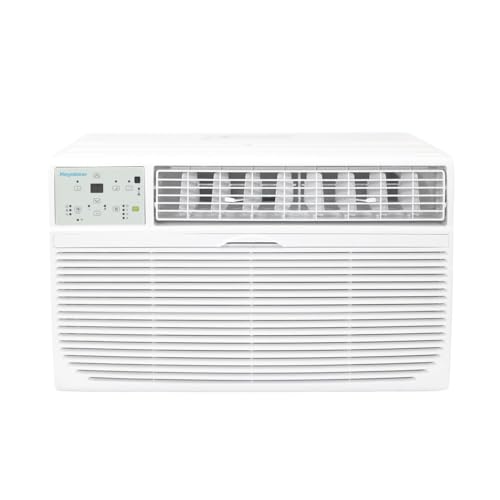
19 x 14 Through the Wall Air Conditioner: The Complete Guide
Understand sleeve dimensions, BTU sizing, voltage requirements, installation planning, and model tiers before you choose a wall-mounted air conditioner built for a 19 x 14 opening.
Why the 19 x 14 size matters: A through the wall air conditioner is only as good as its fit. The 19 x 14 sleeve is one of the most common wall-opening dimensions in North American homes, hotels, and apartments. Getting the sleeve, chassis, BTU capacity, and electrical supply aligned is the difference between a quiet, efficient installation and a costly retrofit. This guide walks you through every decision point.
What Is a 19 x 14 Through the Wall Air Conditioner?
A 19 x 14 through the wall air conditioner is a packaged cooling unit designed to slide into a wall sleeve with an interior opening of roughly 19 inches wide by 14 inches high. Unlike a window unit, it does not block glass, does not need a window sash to support its weight, and does not interfere with curtains or blinds. The chassis sits inside a metal sleeve that is built into the exterior wall, with the condenser side facing outdoors and the evaporator side delivering conditioned air into the room.
These units are popular in bedrooms, hotel guest rooms, apartments, offices, and older homes where ductwork is absent or impractical to add. Because the sleeve is a permanent architectural feature, the wall opening must be framed, flashed, and sealed correctly to prevent air and water intrusion. If you are still comparing form factors, the broader through the wall AC overview explains how these systems differ from window and mini-split alternatives.
BTU Sizing for a 19 x 14 Wall Unit
The 19 x 14 sleeve size does not dictate a single BTU rating. Most units built for this opening fall in the 8,000 to 12,000 BTU range, which suits small to medium rooms. Oversizing a unit is a common mistake: it cools the air quickly but cycles off before removing enough humidity, leaving the room feeling clammy. Undersizing leaves the compressor running continuously and never reaches the setpoint on hot days.
| Room Area (sq ft) | Typical BTU Range | Best For | Electrical Note |
|---|---|---|---|
| Up to 200 | 8,000 BTU | Small bedroom, studio, home office | Often 115V |
| 200 – 300 | 10,000 BTU | Medium bedroom, small living room | 115V or 230V |
| 300 – 400 | 12,000 BTU | Large bedroom, open living area | Usually 230V |
These figures assume an 8-foot ceiling, average insulation, and moderate sun exposure. Add capacity for west-facing walls, vaulted ceilings, kitchens, or rooms with multiple occupants. For a more precise calculation, use the air conditioner sizing guide or check the BTU calculator by room size. If you are comparing this form factor against portable options, the through the wall air conditioning units page covers the trade-offs.
Voltage and Electrical Requirements
The 19 x 14 form factor is available in both 115V and 230V configurations. Smaller 8,000 BTU models frequently run on a standard 115V household circuit, which simplifies installation in older homes. Larger 10,000 to 12,000 BTU units often require a dedicated 230V circuit with a matching breaker and receptacle. Never assume the existing wiring is adequate; check the unit's nameplate and confirm the circuit amperage with a qualified electrician.
If your home only has 115V service near the installation wall, a 115V unit keeps the project simple. If you already have a 230V circuit from a previous wall unit, matching the new chassis to that supply can be efficient. The 110 volt through the wall air conditioner guide and the 240 volt through the wall air conditioner guide break down the details for each path.
Cooling-Only, Heat Pump, and Heater Combo Options
A 19 x 14 wall sleeve can accept more than a cooling-only chassis. Many manufacturers offer heat pump versions that reverse the refrigerant cycle to provide efficient heating in mild climates, as well as electric heater combo units that add resistance heat for colder rooms. The right choice depends on your climate, your existing heating system, and whether the unit will be used year-round.
Cooling-Only Chassis
The essential tier for seasonal cooling in bedrooms and guest rooms. Simple controls, straightforward operation, and the most direct path to a working sleeve installation.
Heat Pump Combo
A balanced tier that adds efficient reverse-cycle heating for mild winters. A solid choice where the unit is expected to handle both cooling and shoulder-season warmth.
Smart / High-Efficiency Models
The top-tier option with inverter-driven compressors, Wi-Fi control, and higher efficiency ratings. Best for long-term use where quiet operation and energy performance matter most.
If you want heating capability without a separate system, the through the wall air conditioner with heat pump page explains how reverse-cycle operation works. For a straightforward heating add-on, see the heater combo guide. And if smart control is a priority, the Wi-Fi enabled through the wall AC overview covers app control, scheduling, and voice assistant integration.
Installation and Replacement Planning
A 19 x 14 through the wall installation involves more than sliding a box into a hole. The wall opening must be framed to support the sleeve, flashed and sealed to prevent water intrusion, and insulated around the perimeter. The sleeve must slope slightly toward the exterior so condensate drains properly. On the electrical side, the circuit must match the unit's requirements, and the receptacle must be accessible for service.
If a sleeve already exists, replacement is often simpler, provided the new chassis matches the sleeve brand and dimensions. Many manufacturers design chassis to be interchangeable within their own sleeve lines, but cross-brand compatibility is not guaranteed. The through the wall air conditioner replacement guide walks through the measurement and compatibility checks. For new installations, hiring a qualified installer is strongly recommended; the installer directory guide explains what to ask and what to verify.
Maintenance for Long-Term Performance
A through the wall unit is exposed to outdoor conditions year-round, so maintenance matters more than with a seasonal window unit. Clean or replace the air filter every four to six weeks during heavy use. Inspect the exterior coil for leaves, pollen, and debris, and rinse it gently when the unit is off. Check the sleeve sealant and flashing annually for cracks. Listen for unusual vibration or rattling, which can indicate loose mounting hardware or a failing fan motor.
If the unit stops cooling, check the filter and the exterior coil before assuming a refrigerant issue. The air conditioning troubleshooting guide and the AC not blowing cold air page cover the most common causes. For a unit that is leaking water, the drain path and sleeve slope are the first things to inspect.
How a 19 x 14 Wall Unit Compares to Alternatives
Through the wall units are permanently installed, free up window space, and are harder to steal than window units. They are quieter than many portable air conditioners because the compressor sits outside the room. On the other hand, they require wall modification, are less portable, and replacement chassis options are narrower than the window-unit market.
If you are weighing a wall unit against a freestanding option, the stand alone air conditioner units guide and the stand alone portable air conditioning units overview explain the trade-offs in noise, efficiency, and installation effort. For rooms where a wall opening is not possible, a through the wall unit without a window vent is not an option; portable or mini-split systems are the practical alternatives. If you are comparing sleeve sizes, the 26 x 16 through the wall guide and the 26 x 17 through the wall guide show how larger openings change capacity and installation requirements.
Quick Decision Checklist
Confirm the sleeve interior opening is 19 x 14 inches and check the sleeve brand. Match the BTU rating to the room area and heat load. Verify whether the circuit is 115V or 230V. Decide between cooling-only, heat pump, and heater combo based on climate. Plan for proper framing, flashing, and sealing. If replacing an existing chassis, measure the sleeve depth and confirm cross-brand compatibility before ordering.