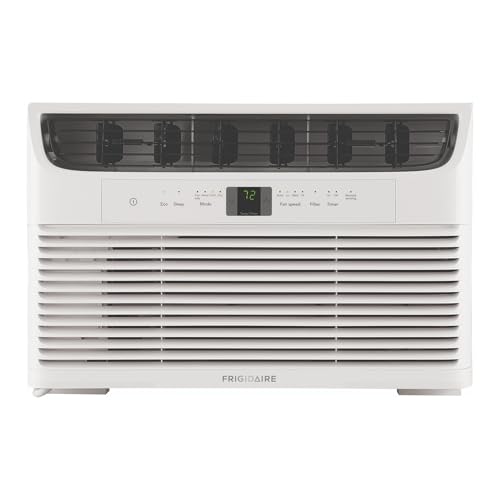
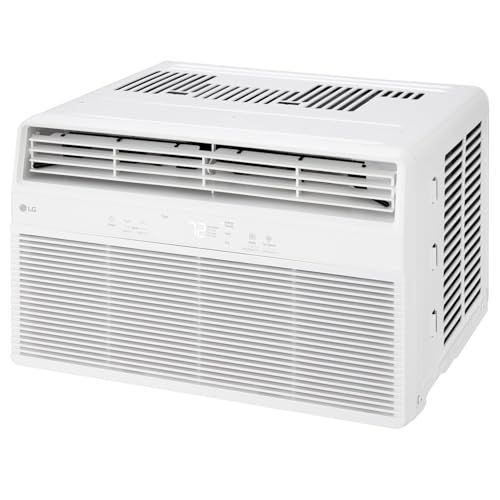
8000 BTU Window Air Conditioner ENERGY STAR: The Complete Buyer's Guide
Everything you need to know about choosing an energy-efficient 8000 BTU window air conditioner — room sizing, efficiency ratings, installation, maintenance, and the features that actually matter.
Explore Buying FactorsAn 8000 BTU window air conditioner occupies one of the most practical positions in the window AC market. It delivers enough cooling power for a medium-sized bedroom, home office, or living area without demanding the heavy electrical infrastructure of larger systems. When you add an ENERGY STAR certification to the equation, you get a unit that balances cooling performance with responsible energy use — an important consideration for anyone planning to run an AC through a full summer season.
This guide is written for buyers who already know they want a window unit in the 8000 BTU class and are now focused on efficiency, installation realities, and long-term reliability. If you are still confirming the correct capacity for your space, the broader AC sizing guide and the BTU calculator by room size will help you verify your target before committing.
Why 8000 BTU is a popular sweet spot: It is large enough to cool a typical master bedroom or open-plan living area, yet small enough to run on a standard 115V household circuit. ENERGY STAR models in this class are widely available from major manufacturers, making it one of the most competitive and feature-rich segments of the window AC market.
What Does 8000 BTU Mean in Real-World Cooling?
BTU, or British Thermal Unit, measures how much heat an air conditioner can remove from a room per hour. An 8000 BTU unit removes 8,000 BTUs of heat per hour under standardized test conditions. In practical terms, this capacity is typically matched to rooms of roughly 300 to 350 square feet, though the exact figure depends on several environmental factors.
A room with high ceilings, large west-facing windows, poor insulation, or multiple occupants and heat-generating electronics will need more capacity than the square footage alone suggests. Conversely, a well-shaded, well-insulated room may cool comfortably with a slightly smaller unit. Oversizing is a common mistake — it causes short cycling, uneven humidity control, and unnecessary wear on the compressor. Undersizing leaves the unit running continuously without reaching the set temperature.
For a deeper comparison across capacities, the 10,000 BTU window air conditioner with remote guide covers the next size tier up, while the 6,000 BTU air conditioner page covers the tier below. Readers who want to compare efficiency-focused options across the entire window AC category should also review the most efficient small window air conditioner overview.
Room Sizing Considerations for an 8000 BTU Window AC
| Room Condition | Recommended Capacity | Notes |
|---|---|---|
| Standard bedroom, average insulation, shaded | 8,000 BTU | Ideal baseline scenario for this capacity class |
| Living room with large windows, direct sun | 8,000–10,000 BTU | Consider stepping up if afternoon sun is intense |
| Home office with electronics and multiple occupants | 8,000–9,000 BTU | Heat-generating equipment adds load |
| Open-plan kitchen and living area | 10,000–12,000 BTU | Kitchen appliances and open layout increase demand |
| Top-floor room with poor insulation | 10,000 BTU+ | Heat gain from roof and attic significantly affects sizing |
What ENERGY STAR Certification Actually Delivers
ENERGY STAR is a voluntary labeling program run by the U.S. Environmental Protection Agency. For window air conditioners, certification means the unit meets strict efficiency criteria measured by the Combined Energy Efficiency Ratio, or CEER. A certified 8000 BTU window AC uses less electricity to deliver the same cooling output compared to a non-certified model of identical capacity.
The practical benefit is straightforward: over a full cooling season, an ENERGY STAR unit typically consumes noticeably less electricity than a comparable non-certified model. That difference matters for households that run their AC daily through the warmer months. It also matters for buyers who want to reduce their environmental footprint without sacrificing cooling comfort.
Efficiency ratings are closely tied to compressor technology. Inverter-driven compressors modulate speed to hold a steady temperature, while fixed-speed compressors cycle on and off. To understand how these two approaches compare in daily use, the inverter vs non-inverter comparison is a useful companion read. Buyers specifically interested in the highest efficiency tier can also explore the top-rated energy efficient air conditioners roundup.
Efficiency tip: Pairing an ENERGY STAR window unit with a programmable thermostat routine and regular filter cleaning can compound the savings. The programmable thermostat usage guide and the AC filter cleaning instructions explain the habits that keep efficiency ratings meaningful in real-world operation.
Key Buying Factors for an 8000 BTU ENERGY STAR Window AC
Once capacity and efficiency are settled, the remaining decisions come down to installation fit, features, and long-term serviceability. The following factors are the ones that most often determine satisfaction after the unit is installed.
Advantages and Trade-Offs of an 8000 BTU Window AC
Strengths
- Practical cooling capacity for medium rooms without overloading standard circuits
- ENERGY STAR models reduce electricity use over a full season
- Lower upfront tier positioning than mini-split or central systems
- Straightforward DIY installation in compatible double-hung windows
- Wide selection of features across entry-level to premium tiers
- Easy to replace or relocate compared to ducted systems
Trade-Offs
- Compressor noise is audible inside the room
- Blocks part of the window view and reduces natural light
- Requires secure mounting and often a support bracket
- Cooling is limited to the room where it is installed
- Fixed-speed models cycle and produce less stable temperatures
- Not suitable for casement or slider windows without adapters
Installation Realities and Safety
Installing an 8000 BTU window air conditioner is within reach for many homeowners, but it is not a trivial task. These units typically weigh between 45 and 70 pounds, and they must be supported so that the weight rests on the window sill and an external bracket rather than on the window frame alone. A poorly supported unit can damage the window, fall outward, or allow air and water infiltration.
Follow the manufacturer's installation kit and bracket recommendations. Ensure the unit tilts slightly toward the outside so condensate drains correctly. Check that the power cord reaches a grounded outlet without an extension cord — extension cords are a common cause of overheating and voltage drop. If your window is unusual, or if you are installing into a wall, review the wall mounting guide and the window air conditioner replacement article for removal and reinstallation steps.
For broader installation context across AC categories, the AC installation guide covers electrical checks, placement decisions, and when to call a professional. If your home has older wiring or you are unsure about circuit capacity, consult a licensed electrician before installation.
Maintenance Habits That Protect Efficiency
An ENERGY STAR rating reflects performance under clean, standardized conditions. In real homes, dust and debris degrade airflow and force the compressor to work harder. The single most impactful maintenance task is cleaning or replacing the air filter every two to four weeks during heavy use. A clogged filter reduces cooling output and increases electricity consumption.
Beyond the filter, inspect the outdoor side of the unit periodically for leaves, pollen, and debris obstructing the condenser coil. If you are comfortable with basic maintenance, the condenser coil cleaning guide explains safe cleaning practices. At the start and end of each cooling season, check the mounting hardware, window seal, and power cord for wear. Many manufacturers also offer an annual maintenance plan; the HVAC maintenance plan overview describes what these plans typically include, though window units are often serviced by the owner rather than under a plan.
If the unit stops cooling effectively despite a clean filter, the air conditioner not blowing cold air troubleshooting guide walks through common causes before you call a technician.
Frequently Asked Questions
An 8000 BTU window air conditioner is generally suitable for rooms between 300 and 350 square feet, depending on ceiling height, insulation quality, sun exposure, and occupancy. Rooms with large sun-facing windows, poor insulation, or multiple heat-generating appliances may need a slightly higher capacity. Use a BTU calculator or consult the sizing guide to confirm before purchasing.
ENERGY STAR certification indicates that the unit meets or exceeds energy efficiency guidelines set by the U.S. Environmental Protection Agency. Certified models use less electricity to produce the same cooling output compared to non-certified units of the same capacity, which typically results in lower seasonal electricity use and reduced environmental impact.
Many 8000 BTU window units are designed for DIY installation in standard double-hung windows, but the units are heavy and require secure mounting with a support bracket. Correct tilt for drainage and a grounded outlet are essential. If your window is non-standard, your wall opening is irregular, or you are unsure about electrical capacity, professional installation is recommended.
Most 8000 BTU window air conditioners operate on a 115V circuit and draw approximately 7 to 8 amps during normal cooling. A dedicated 15-amp circuit is the safe standard. Avoid using extension cords, and confirm that the outlet and circuit are not shared with other high-draw appliances.
Inverter models adjust compressor speed continuously, which usually delivers more stable temperatures, quieter low-load operation, and better part-load efficiency. Fixed-speed models cycle on and off and are typically positioned in the entry-level and balanced tiers. The better choice depends on your priorities: inverter units suit buyers who value comfort and efficiency; fixed-speed units suit buyers who prefer simpler mechanics and predictable servicing.
During heavy cooling-season use, clean or replace the filter every two to four weeks. In dusty environments or homes with pets, check it even more frequently. A clean filter maintains airflow, protects the evaporator coil, and keeps the unit operating at its rated efficiency. The filter cleaning guide on this site explains the step-by-step process.
Final Verdict: Who Should Buy an 8000 BTU ENERGY STAR Window AC?
This capacity class is the right fit for renters and homeowners who need dependable cooling for a medium-sized room and want to keep electricity use in check. An ENERGY STAR certified unit makes the most sense when the AC will run regularly through the cooling season and when the installation window is a standard double-hung type. If you need to cool multiple rooms or an open-plan space larger than roughly 400 square feet, consider a higher capacity window unit or a ductless mini-split. For the room you have in mind, an 8000 BTU ENERGY STAR window air conditioner is a well-balanced, practical investment.