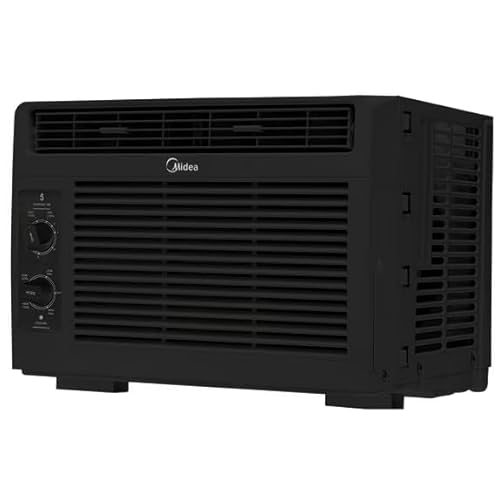
Window Unit for Small Window: The Complete Compact AC Guide
Narrow window openings do not have to mean no cooling. This guide explains how to measure a small window, choose a compact air conditioner that fits, and install it safely for efficient, reliable comfort in bedrooms, offices, and studio apartments.
Explore Buying FactorsWhy this guide matters: A window unit for a small window is not simply a smaller version of a standard air conditioner. Clear opening width, sill depth, window type, and support requirements all affect which models will fit and perform well. Getting these details right before buying prevents return shipping, installation frustration, and disappointing cooling performance.
Understanding Small Window Air Conditioners
Compact window air conditioners are engineered for openings that standard units cannot accommodate. A typical full-size window AC needs a clear opening roughly 23 to 26 inches wide, but a window air conditioner for small windows can fit openings starting around 14 to 16 inches wide, depending on the model. These units serve a specific purpose: delivering dependable cooling where space is limited and installation flexibility is essential.
Small window units generally fall into a few practical categories. Vertical-sliding window models are the most common and drop into a standard double-hung frame. Casement and side-opening window designs require specialized kits or brackets, since the sash swings outward rather than sliding up and down. Sliding window units use a filler panel and a different mounting orientation. Understanding which category matches your window is the first step toward a successful purchase.
Capacity is another defining characteristic. Compact units typically range from around 5,000 BTU to roughly 10,000 BTU. That range is well suited to a bedroom, home office, or small living area, but it is not designed to cool an entire house. If your goal is whole-home comfort, a whole house air conditioning system or a ductless approach is more appropriate. For a single room behind a narrow window, though, a compact window unit is one of the most practical solutions available.
How to Measure a Small Window Before Buying
Accurate measurements prevent the most common mistake buyers make: ordering a unit that does not physically fit. Use a metal tape measure and record every figure in inches. Measure the clear opening, not the outer frame, because the unit must pass through the opening and rest securely on the sill.
Key Measurements to Record
- Clear opening width: The narrowest horizontal distance the unit must pass through, measured between the window jambs.
- Clear opening height: The vertical distance from the sill to the bottom of the raised sash or frame.
- Sill depth: The front-to-back depth of the window sill, which determines how much of the unit can rest inside.
- Window type: Double-hung, single-hung, sliding, casement, awning, or crank-out. Each type needs a different mounting approach.
- Obstructions: Crank handles, locks, storm window frames, and nearby walls can reduce usable space.
After recording your measurements, compare them with the manufacturer's stated minimum and maximum window opening dimensions. Do not assume that a unit marketed as compact will fit every narrow window. Some models require a minimum width of 15 inches, others 16 or 17 inches, and height requirements vary as well. If your opening is unusually narrow, look specifically at models designed for openings under 16 inches wide, such as those listed under window air conditioner less than 14 inches wide.
For side-opening or crank-out windows, standard drop-in installation will not work. You will need a specialized bracket or kit, often described as a window air conditioner for crank out windows solution. Sliding windows likewise need a filler panel and a slightly different mounting orientation, which is covered in guides about window air conditioners for sliding windows.
Matching the Unit to Your Window Type
The table below summarizes how different small-window configurations affect unit selection. Use it as a quick reference before comparing specific models.
| Window Type | Typical Opening Width | Mounting Approach | Best For |
|---|---|---|---|
| Double-hung / single-hung | 14–26 in | Drop-in with sash kit | Bedrooms, offices |
| Vertical sliding | 14–24 in | Drop-in with filler panel | Rental apartments |
| Horizontal sliding | 16–28 in | Sliding kit + panel | Living rooms |
| Casement / crank-out | 15–24 in | Specialty bracket | Older homes |
| Awning / roll-out | 15–24 in | Bracket + seal kit | Sunrooms |
Units built for narrow openings often use a more compact chassis and a reduced-depth cabinet. That smaller footprint can reduce cooling capacity slightly, but modern compressor and fan designs compensate well. If your window is small and your room is also small, a window air conditioner for small room is usually the most balanced choice.
Choosing the Right Cooling Capacity
Capacity is measured in BTU, and the right figure depends on room size, ceiling height, sun exposure, and the number of occupants and heat-producing appliances. As a general rule, a room up to about 150 square feet pairs well with a 5,000 to 6,000 BTU unit, while 150 to 250 square feet calls for roughly 8,000 BTU. Larger rooms behind small windows may need a 10,000 BTU compact model, though availability narrows at the higher end of the compact range.
Oversizing is a common error. A unit that is too powerful cools the air quickly but cycles off before it can remove humidity, leaving the room feeling clammy. Undersizing leads to constant operation and uneven temperatures. Match the capacity to the room, not to the window. If you need help estimating the figure, a sizing guide for air conditioners provides the underlying calculation method.
For very small spaces such as a home office or a compact bedroom, a window air conditioner for small window opening with a modest capacity is often the most efficient match. The unit runs long enough to dehumidify properly, and the smaller compressor draws less power.
Installation and Safety Considerations
Installing a window unit in a small opening requires attention to support and sealing. Even a compact unit weighs enough to require secure mounting, especially when it overhangs the sill. Manufacturer instructions specify whether a support bracket is required, and local building codes may add further requirements for upper-floor installations.
Pre-Installation Checklist
- Confirm the unit's minimum and maximum window opening dimensions against your measurements.
- Check that the window sash locks or secures the unit in place.
- Verify that the sill can bear the unit's weight without flexing.
- Inspect the electrical circuit and confirm the outlet matches the unit's plug type.
- Plan for a slight downward tilt toward the exterior so condensation drains properly.
- Seal gaps with weatherstripping or foam to prevent air leaks and pest entry.
For heavy or deep units, an external bracket is strongly recommended. Guides on window AC bracket support explain the options, and no-drill versions are available for renters who cannot modify the frame, as described in window air conditioner bracket no drilling. Proper support also reduces vibration noise and extends the life of the compressor.
Sealing matters more in a small opening because the unit occupies a larger proportion of the frame. A tight seal keeps hot outdoor air from bypassing the unit and prevents condensation from forming on interior surfaces. If you notice moisture after installation, review window air conditioner leaking water inside for troubleshooting steps. Related symptoms, such as weak airflow, are covered in window air conditioner not cooling properly.
Buying Factors That Actually Matter
Once the window type and capacity are settled, evaluate the following features. These factors separate an entry-level compact unit from a top-tier one, and they influence long-term satisfaction more than marketing claims.
Efficiency and Operating Characteristics
Higher efficiency ratings reduce electricity consumption over the cooling season. Inverter-driven compressors, found in window air conditioners with inverter technology, modulate speed instead of cycling on and off, which improves temperature stability and humidity control. For buyers who value quiet operation and steady comfort, an inverter model in the mid-range or premium tier is often a worthwhile investment.
Controls and Convenience
Remote controls, programmable timers, and digital thermostats improve usability. A window air conditioner with remote control is especially convenient for units mounted high in a window. Smart-home integration, such as a WiFi air conditioner, allows scheduling and remote monitoring, which is useful for renters and travelers. Models with a built-in window air conditioner with thermostat maintain more consistent temperatures than mechanical dials.
Durability and Build Quality
Look for reinforced cabinets, rust-resistant coatings, and washable filters. Entry-level units often use lighter-gauge metal and simpler fan assemblies, while high-end tier models include heavier-duty components and better sound insulation. These differences matter in humid climates and in units that run for many hours per day.
Drainage and Maintenance
Some compact units are designed to splash condensate onto the condenser coil for improved efficiency, while others use a drain kit. If dripping is a concern, models described as a window AC unit that doesn't drip water offer a cleaner installation. Regular filter cleaning remains the single most important maintenance task regardless of tier.
Practical Recommendations by Use Case
Different buyers have different priorities. The recommendations below use universal tier descriptors rather than specific figures, so they remain useful as the market changes.
- Renters in studio apartments: A starter-tier vertical-sliding unit with a simple remote and a no-drill bracket is often the most practical combination. It installs without permanent modifications and fits narrow double-hung windows.
- Home offices with sun exposure: A mid-range unit with a digital thermostat and higher efficiency rating keeps temperatures stable during long work sessions. Pair it with a window air conditioner with remote thermostat if the unit sits high in the frame.
- Bedrooms where quiet matters: A premium-tier inverter model reduces cycling noise and maintains steadier humidity. This is a long-term investment for light sleepers.
- Older homes with casement windows: A specialty bracket solution paired with a compact unit is usually necessary. Review window air conditioner for casement windows before committing to a model.
- Year-round comfort needs: If heating is also required, a window unit with heater combines cooling and supplemental warmth in a single chassis.
Frequently Asked Questions
Can a window air conditioner fit a small window?
Yes. Compact window AC units are designed for narrow openings, with some models fitting windows as narrow as 14 to 16 inches wide. The key is matching the unit's stated minimum and maximum opening dimensions to your actual measurements, and confirming that the window height and sill depth meet the installation requirements.
How do I measure my window for a small AC unit?
Measure the clear opening width and height, the sill depth, and the distance to any obstructions such as crank handles or storm frames. Compare these figures with the unit's specifications before buying. Recording measurements in inches and keeping them on hand while shopping avoids guesswork and reduces the risk of a return.
Do narrow window AC units need a support bracket?
Most compact units benefit from a support bracket, particularly when the cabinet overhangs the sill or the installation is above the ground floor. Follow the manufacturer's instructions and local building codes. No-drill brackets are available for renters and for frames that should not be modified.
What if my window opens sideways or outward?
Standard drop-in installation will not work for casement, awning, or crank-out windows. These configurations require a specialized bracket or kit that holds the unit securely while the sash remains partially open. Look for models and accessories explicitly described as compatible with side-opening or crank-out windows.
Final Thoughts
A window unit for a small window is a practical, space-efficient cooling solution when the right steps are followed. Measure the opening carefully, match the unit to the window type, choose a capacity that fits the room rather than the frame, and install it with proper support and sealing. Buyers who prioritize efficiency and control features tend to be more satisfied over the long run, while those on a tighter scope can still find solid, well-specified models in the entry-level and mid-range tiers.
If you are still comparing options across the broader category, the main window air conditioner guide provides additional context on features, maintenance, and troubleshooting. For narrow openings specifically, the compact models discussed here remain the most direct path to comfortable, reliable cooling.