12000 BTU Through the Wall Air Conditioner: Complete Buying Guide
Everything you need to know about 12,000 BTU through-the-wall air conditioners — room coverage, installation requirements, efficiency ratings, and how to choose the right unit for your space.
Start ReadingWhat Is a 12000 BTU Through-the-Wall Air Conditioner?
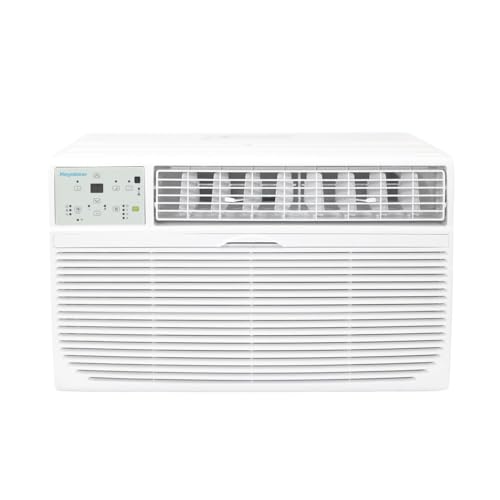
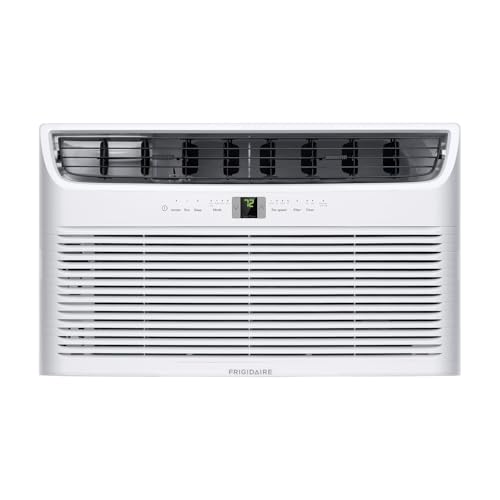
A 12,000 BTU through-the-wall air conditioner is a self-contained cooling unit designed to be installed permanently into an exterior wall. Unlike a window unit that sits in a window frame, a through-the-wall model is recessed into a sleeve built into the wall structure, creating a clean, built-in appearance and freeing up window space.
With a cooling capacity of 12,000 BTU, this class of unit is engineered for medium to large rooms. It sits in the sweet spot between compact single-room coolers and larger whole-home systems, making it a popular choice for living rooms, master bedrooms, home offices, and rental properties where a permanent, tidy installation matters.
Because these units are installed through the wall, they offer several practical advantages: they are more secure than window units, less likely to be tampered with, and they do not block natural light or window views. They also tend to operate more quietly since the wall acts as a buffer between the compressor and the living space.
Typical Use Cases for a 12,000 BTU Wall Unit
- Medium-sized living rooms and family rooms
- Master bedrooms and large guest rooms
- Home offices and studio spaces
- Rental properties and apartments where permanent cooling is preferred
- Additions and converted garages that lack ductwork
- Rooms where window space should remain unobstructed
Room Size and Capacity: How Far Does 12000 BTU Go?
The most common mistake buyers make is choosing a unit that is either too small or too large for the room. A 12,000 BTU air conditioner is generally rated for rooms between roughly 450 and 550 square feet under standard conditions. However, that range shifts depending on ceiling height, insulation quality, sun exposure, occupancy, and the climate zone.
| Room Type | Approximate Area | 12,000 BTU Suitability |
|---|---|---|
| Small bedroom | Up to 300 sq ft | Overpowered — consider a smaller unit |
| Standard bedroom / office | 300 – 450 sq ft | Well-matched |
| Living room / master bedroom | 450 – 550 sq ft | Ideal range |
| Open-plan living area | 550 – 650 sq ft | Borderline — assess insulation and sun exposure |
| Large open space | 650+ sq ft | Undersized — consider a larger capacity or multiple units |
For a more precise estimate, factor in these adjustments:
- Ceiling height: Add roughly 10% capacity for every foot above 8 feet.
- Sun exposure: South- and west-facing rooms with large windows may need 10–20% more capacity.
- Occupancy: Add about 600 BTU per additional person beyond two regular occupants.
- Kitchen areas: Add 4,000 BTU if the unit cools an open kitchen.
- Insulation: Poorly insulated rooms may require a larger unit or a unit with higher efficiency.
Sizing tip: An oversized air conditioner cools too quickly and shuts off before removing humidity, leaving the room feeling clammy. An undersized unit runs continuously and struggles to reach the set temperature. For most medium rooms, a 12,000 BTU through-the-wall unit is the balanced choice. If you are unsure about your room's exact requirements, review our guide on 12,000 BTU air conditioner room size for a deeper breakdown.
Through-the-Wall vs Window vs Mini-Split
Understanding how a through-the-wall unit compares to other cooling options helps you decide whether it is the right fit for your home. Each format has distinct strengths.
| Feature | Through-the-Wall | Window Unit | Ductless Mini-Split |
|---|---|---|---|
| Installation | Permanent wall sleeve | Window frame | Wall-mounted indoor + outdoor unit |
| Window space | Fully preserved | Blocked | Preserved |
| Security | High — built into wall | Moderate | High |
| Noise level | Moderate | Higher | Lowest |
| Cooling zones | Single room | Single room | Single or multi-zone |
| Portability | Fixed | Removable seasonally | Fixed |
| Best for | Permanent, tidy installations | Temporary or rental use | Whole-room comfort with premium features |
If you are comparing formats more broadly, our overview of PTAC units explains how packaged terminal air conditioners — closely related to through-the-wall designs — are used in hotels and commercial spaces. For rooms where a wall sleeve already exists, a through-the-wall unit is often the most straightforward replacement path.
If you value ultra-quiet operation and advanced features such as inverter compressors and Wi-Fi control, a ductless mini-split may be worth exploring. Our guide to single-zone ductless mini-split systems covers that category in detail.
Key Features to Evaluate in a 12,000 BTU Wall Unit
Not all through-the-wall air conditioners are built the same. The features below separate entry-level models from premium units and directly affect comfort, durability, and long-term satisfaction.
Cooling Modes and Fan Settings
Look for units with at least three fan speeds (low, medium, high) plus an auto-fan mode that adjusts based on the set temperature. A dedicated dehumidify mode (dry mode) is valuable in humid climates because it removes moisture without over-cooling the room.
Heating Function
Many through-the-wall models include a heat pump or electric heat strip, allowing year-round use. If you need heating capability, our guide to a wall air conditioner with heat explains how heat pumps and heat strips differ in performance and efficiency.
Thermostat and Remote Control
A programmable thermostat or 24-hour timer lets you schedule cooling around your daily routine. Remote controls are standard on most mid-range and premium models. For smart-home integration, check whether the unit supports a Wi-Fi thermostat or a compatible external thermostat — our thermostat guide covers compatibility considerations.
Filtration and Air Quality
Washable mesh filters are standard. Some units add antimicrobial treatments or supplemental filtration. If indoor air quality is a priority, look for models with easily accessible filters and optional carbon or HEPA-style add-ons.
Noise Level
Through-the-wall units are generally quieter than window units because the wall dampens compressor noise. Still, noise levels vary. Check the decibel rating if the unit will be installed in a bedroom or home office. Premium tier models typically use vibration isolation and quieter fan designs.
Build Quality and Sleeve Compatibility
Check whether the unit requires a specific wall sleeve or is compatible with standard sleeves. A reinforced sleeve and weather-resistant exterior grille extend the life of the installation. Heavy-duty commercial-grade models often use more robust chassis and corrosion-resistant coatings, which matter in coastal or humid environments.
Efficiency Ratings Explained
Efficiency determines how much cooling you get per unit of electricity consumed. For through-the-wall air conditioners, the key metrics are CEER (Combined Energy Efficiency Ratio) and, increasingly, SEER2 for units that include heating.
CEER for Room Air Conditioners
CEER is the standard efficiency metric for room air conditioners sold in the United States. Higher CEER means better efficiency. Entry-level units typically sit at the minimum allowed by current DOE standards, while mid-range and premium models exceed those thresholds. ENERGY STAR certified models meet stricter efficiency requirements and are a good benchmark for long-term energy performance.
SEER2 for Units with Heat Pumps
If the unit includes a heat pump, SEER2 (and HSPF2 for heating) become relevant. SEER2 is the updated version of the SEER rating that reflects modern DOE test procedures. Higher SEER2 values indicate more efficient cooling. Our guide on what a SEER rating is explains the rating system in depth.
Inverter vs Non-Inverter
Most through-the-wall units use fixed-speed compressors. Inverter-driven models, which modulate compressor speed for steadier temperatures and better efficiency, are more common in mini-splits but are gradually appearing in wall units. Our comparison of inverter vs non-inverter AC explains the trade-offs in comfort, noise, and energy use.
Efficiency tip: A higher-efficiency unit usually pays back over time through lower electricity consumption, especially in climates with long cooling seasons. When comparing models, look at CEER alongside cooling capacity and features rather than treating efficiency as an isolated number.
Installation Considerations
Installing a through-the-wall air conditioner is more involved than setting up a window unit. Because it requires cutting or using an existing opening in an exterior wall, planning is essential.
Wall Sleeve and Opening
Most through-the-wall units require a wall sleeve — a metal or composite frame that lines the wall opening and supports the unit. If your home already has a sleeve from a previous unit, measure its dimensions carefully and match them to the new unit's specifications. If no sleeve exists, a qualified installer will create an opening sized to the unit's chassis and install a sleeve with proper flashing and sealing.
Electrical Requirements
A 12,000 BTU unit typically draws more current than smaller room air conditioners. Many models require a dedicated 115V circuit, while some larger or high-output units use 230V. Verify the amperage and plug type before purchase. Our guide on 110V vs 240V air conditioners explains how voltage affects installation and performance. If you are replacing an older unit, confirm that the existing circuit meets the new unit's requirements.
Drainage and Condensation
Through-the-wall units produce condensate that must drain outside. Some units use a slinger ring to evaporate condensate, while others rely on a drain kit. Ensure the installation allows proper drainage and that the exterior is slightly pitched downward to prevent water from pooling.
Professional vs DIY Installation
While some homeowners with carpentry and electrical experience install through-the-wall units themselves, professional installation is recommended for most situations. A proper installation ensures structural integrity, weather sealing, correct electrical connections, and warranty compliance. Our overview of HVAC installation covers what to expect from a professional job.
Permits and Building Codes
Many jurisdictions require a permit for cutting an opening in an exterior wall or adding a dedicated electrical circuit. Check local building codes before starting. If you are working with a contractor, confirm who is responsible for pulling permits.
Maintenance Tips for Long-Term Performance
Regular maintenance keeps a through-the-wall air conditioner running efficiently and extends its service life. Most tasks are simple and can be done by the homeowner.
Filter Cleaning
Clean or replace the air filter every two to four weeks during heavy use. A clogged filter restricts airflow, reduces cooling performance, and strains the compressor. Most through-the-wall units have slide-out filters that rinse clean under running water.
Coil Cleaning
Over time, dust and debris accumulate on the evaporator and condenser coils. Cleaning the coils annually — or having a technician do it — maintains heat transfer efficiency. Our guide to HVAC cleaning and service explains what a professional service visit includes.
Exterior Inspection
Inspect the exterior grille and sleeve for debris, insect nests, and corrosion. Clear any blockages and check that the seal between the unit and the wall remains intact to prevent air and water infiltration.
Seasonal Preparation
Before the cooling season, test the unit, clean the filter, and check the thermostat. Before winter, if the unit is not used for heating, consider a cover for the exterior grille to reduce drafts, or follow the manufacturer's guidance for seasonal shutdown.
When to Call a Professional
If you notice unusual noises, reduced cooling, water leaks, or electrical issues, stop using the unit and call a qualified technician. Refrigerant handling requires certification, and electrical repairs should be left to licensed professionals. Our guide on local heating and air conditioning companies explains how to vet service providers.
How to Choose the Right 12000 BTU Through-the-Wall Unit
With the fundamentals covered, here is a practical decision framework for selecting a unit.
Step 1: Confirm Your Room Size
Measure the room and apply the sizing adjustments above. If your room is consistently over 550 square feet or has unusual heat loads, consider whether a 12,000 BTU unit is sufficient or whether a larger capacity or a different system type is more appropriate.
Step 2: Check the Existing Sleeve
If you are replacing an existing unit, measure the sleeve dimensions and match them. If you are installing new, choose a unit with a widely available sleeve standard to simplify future replacements.
Step 3: Decide on Heating
If the unit will be the primary cooling source in a room that also needs heating, a model with a heat pump or heat strip adds year-round utility. If the room has separate heating, a cooling-only unit is simpler and may offer better cooling efficiency for the same tier.
Step 4: Evaluate Efficiency
Choose an ENERGY STAR certified model if long-term energy performance matters. Compare CEER ratings among models in the same capacity class.
Step 5: Prioritize Features That Matter to You
Consider remote control, programmable timers, Wi-Fi capability, noise level, and filtration. Match features to how the room is used — a bedroom benefits from quiet operation and a timer, while a living room may benefit from stronger airflow and smart control.
Step 6: Match Tier to Your Priorities
Through-the-wall air conditioners generally fall into three broad tiers:
- Essential tier: Basic cooling, standard efficiency, simple controls. A solid choice for rental units or rooms where cooling is the only priority.
- Balanced tier: Better efficiency, quieter operation, added features such as timers and remote controls. A good fit for most households.
- Top-tier / premium: Highest efficiency in the category, advanced controls, robust build quality, and quieter operation. A worthwhile investment for primary living spaces and long-term use.
For spaces where footprint matters, our guide to a space-saving air conditioner explores compact formats that preserve floor and wall space.
Ready to Compare Models?
Browse our curated selection of 12,000 BTU through-the-wall air conditioners and compare features, efficiency, and installation requirements side by side.
View Recommended UnitsFrequently Asked Questions
What size room does a 12000 BTU through-the-wall air conditioner cool?
Under standard conditions, a 12,000 BTU unit cools rooms of roughly 450 to 550 square feet. Adjust upward for high ceilings, strong sun exposure, poor insulation, or high occupancy, and downward for well-shaded, well-insulated rooms.
Can I replace a window AC with a through-the-wall unit?
Yes, but it requires creating a wall opening and installing a sleeve. A through-the-wall unit cannot simply sit in a window frame. Conversely, a through-the-wall unit cannot be used as a window unit without a compatible window kit, and most manufacturers do not recommend it.
What voltage does a 12000 BTU through-the-wall AC use?
Many 12,000 BTU models run on 115V, but some use 230V, especially units with heat pumps or higher output. Always check the product specifications and confirm your circuit capacity before purchasing.
Are through-the-wall air conditioners quieter than window units?
Generally, yes. The wall structure dampens compressor and fan noise compared with a window-mounted unit. However, noise levels vary by model, so check decibel ratings if quiet operation is a priority.
Do I need a professional to install a through-the-wall AC?
Professional installation is strongly recommended because the job involves cutting an exterior wall, installing a sleeve, sealing against weather, and connecting electrical service. DIY installation may also void the warranty and complicate insurance claims.
How often should I clean the filter?
Clean the filter every two to four weeks during periods of heavy use, and at least monthly during the cooling season. A clean filter maintains airflow, efficiency, and indoor air quality.
Can a 12000 BTU through-the-wall unit heat a room too?
Only if the model includes a heat pump or electric heat strip. Cooling-only models cannot heat. If year-round comfort is needed, choose a model with a heating function and check its heating capacity and efficiency ratings.
How long does a through-the-wall air conditioner last?
With proper maintenance, a quality through-the-wall unit typically lasts 10 to 15 years. Premium tier models with durable construction and corrosion-resistant components often reach the upper end of that range.