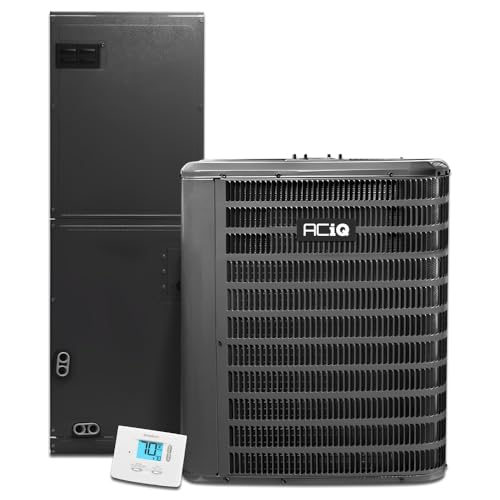
Cost of Heating and Air Conditioning Units: A Complete Planning Guide
Understand what influences the total investment in a heating and cooling system, from equipment tiers to installation and long-term efficiency, so you can make a confident, informed decision.
Start ExploringWhy this guide matters: Heating and air conditioning units represent one of the largest home comfort investments most homeowners make. Understanding the variables behind system cost — equipment tier, efficiency rating, home size, ductwork condition, and installation complexity — helps you compare quotes fairly and avoid overpaying for features you do not need. This guide breaks down every component so you can plan with clarity.
What Determines the Investment in a Heating and Cooling System?
The total investment for a heating and air conditioning system is shaped by several interconnected factors. Equipment tier is the most visible variable, but installation labor, ductwork condition, electrical upgrades, and regional labor rates often shift the final figure more than the equipment itself. Homeowners researching the cost of heating and air conditioning units should evaluate all of these elements before comparing proposals.
System Type
Central split systems, ductless mini-splits, packaged units, and heat pumps each carry different equipment and installation profiles. A ductless heating and cooling system avoids ductwork entirely, while central systems require duct infrastructure.
System Size (Capacity)
Capacity is measured in tons or BTUs. A 2-ton air conditioning unit suits many mid-size homes, while larger properties require 4-ton or 5-ton systems. Larger capacity increases equipment and labor requirements.
Efficiency Rating (SEER/SEER2)
Higher efficiency ratings reduce energy consumption over the life of the system. The 14 SEER air conditioner represents the baseline tier, while premium units reach 20+ SEER2 and qualify for utility rebates.
Equipment Tier
Entry-level, mid-range, and premium tiers differ in build quality, warranty length, noise levels, and smart controls. Premium-tier units use durable construction and variable-speed compressors for quieter, more stable operation.
Installation Complexity
New ductwork, electrical panel upgrades, refrigerant line runs, and permit requirements add to the HVAC system and installation total. Retrofitting central air into a home without ducts is a common complexity driver.
Regional Labor Rates
Labor rates vary significantly by region and season. Certified contractors in high-demand metro areas typically quote higher installation labor than rural markets, even for identical equipment.
Heating and Air Conditioning System Types by Market Tier
Comparing systems by market tier — rather than by specific figures — gives you a stable, future-proof framework for evaluating proposals. The table below groups common system configurations by their relative position in the market and the type of homeowner they typically suit.
| System Configuration | Market Tier | Best For | Key Characteristics |
|---|---|---|---|
| Window or portable AC (cooling only) | Entry-Level | Single rooms, renters, temporary cooling | Simple installation, limited coverage, no central ductwork |
| Single-zone ductless mini-split | Entry-Level to Mid-Range | Additions, sunrooms, homes without ducts | No ductwork, zone control, moderate installation complexity |
| Central split AC (cooling only) | Mid-Range | Whole-home cooling in existing ducted homes | Requires ductwork and electrical capacity, whole-home coverage |
| Central heat pump (heating + cooling) | Mid-Range | Year-round comfort in moderate climates | Dual-function, high efficiency, works in mild winters |
| Variable-speed central system | High-End Tier | Homeowners prioritizing comfort and quiet operation | Variable-speed compressor, improved humidity control, longer runtime |
| Multi-zone ductless or VRF system | Premium | Multi-story homes, zoned comfort, no-duct retrofits | Independent zone control, premium efficiency, complex installation |
| Geothermal heat pump | Premium | Long-term homeowners, extreme climates | Highest efficiency, significant ground-loop installation scope |
For a focused comparison of ductless options, the mini-split system overview and the split AC breakdown are useful starting points. Homeowners adding central air to an existing property should also review the process of adding central air to a house, since ductwork and electrical upgrades often represent the largest share of the project.
How Home Size Shapes the Investment
Square footage directly determines the required system capacity, which in turn shapes equipment selection and installation scope. Below are reference points for common home sizes; each links to a more detailed breakdown.
- 800–1,000 sq ft: Compact homes and condos typically use 1.5- to 2-ton systems. See the guide for a central air system for a 1,000 sq ft house or the AC unit for a 1,000 sq ft house.
- 1,200–1,500 sq ft: Mid-size homes generally require 2- to 2.5-ton capacity. Review the air conditioning unit for 1,500 square feet and the 1,300 sq ft central air comparison.
- 2,000–2,500 sq ft: Larger families often choose 3- to 4-ton systems. The 2,000 sq ft central air and 2,500 sq ft AC unit guides cover capacity and duct considerations.
- 3,000+ sq ft: Whole-home systems may combine central equipment with zoning or multi-zone ductless. Start with the 3,000 square foot house AC unit overview.
Installation and Component Considerations
Equipment alone does not complete a project. The following components frequently appear in proposals and should be compared line by line:
- Ductwork: New or replacement ducts can significantly change the scope. The HVAC duct replacement overview explains when duct work is unavoidable versus optional.
- Electrical: Central systems often require dedicated circuits and panel capacity. Confirm whether the quote includes electrical work.
- Refrigerant lines and drainage: Line-set length and condensate management affect both installation time and long-term reliability.
- Permits and inspection: Many jurisdictions require permits for HVAC replacement. The HVAC inspection guide clarifies what inspectors typically review.
- Contractor selection: Compare licensed contractors using the companies that install air conditioners checklist, and for ductless projects, the ductless installation specialists overview.
If the existing compressor or condenser is the only failing component, a targeted repair may be more sensible than a full replacement. Review the compressor for a central air conditioner and condenser replacement comparisons before deciding between repair and replacement. For furnace-side issues, the furnace repair companies guide explains how to vet service providers.
Ongoing Ownership: Maintenance and Efficiency
The purchase is only one part of the total ownership picture. Routine maintenance protects efficiency and extends equipment life. A seasonal HVAC tune-up and periodic chemical cleaning of the air conditioner keep coils and components operating at design efficiency. When something fails, the HVAC repair guide helps distinguish minor fixes from signs that replacement is the better path.
Efficiency also depends on the building envelope. Sealing ducts, improving insulation, and using a programmable thermostat reduce runtime and extend equipment life. Homeowners comparing a new heating and air conditioning unit against a new air conditioning and heating system should factor these envelope improvements into the overall plan.
How to Compare Heating and Cooling Proposals
When reviewing quotes, compare like with like. Use the following checklist to normalize proposals from different contractors:
- Equipment model and tier: Confirm the exact model number and whether it is entry-level, mid-range, or premium-tier.
- Efficiency rating: Verify SEER2 (or HSPF2 for heat pumps) and whether the unit qualifies for rebates.
- Scope of work: Check whether ductwork, electrical, permits, and disposal are included or listed as exclusions.
- Warranty: Compare parts and labor warranty lengths; premium-tier equipment often carries longer coverage.
- Load calculation: A reputable contractor performs a room-by-room load calculation rather than sizing by rule of thumb.
- Timeline and disruption: Ask about expected installation duration and any temporary cooling arrangements.
For broader system-level comparisons, the central air unit overview and the central air conditioning system guide provide additional context on what a complete central installation includes.
Ready to Explore System Options?
Now that you understand the variables behind heating and cooling investments, compare equipment tiers and features side by side to find the configuration that fits your home and priorities.
Explore Recommended SystemsFrequently Asked Questions
What factors affect the cost of heating and air conditioning units?
System type, capacity, efficiency rating, equipment tier, installation complexity, ductwork condition, electrical requirements, and regional labor rates all influence the total investment. Equipment tier and installation scope are typically the two largest variables.
How long do heating and air conditioning units typically last?
Most central systems last 15 to 20 years with proper maintenance. Entry-level systems may need replacement sooner, while premium-tier systems with durable construction and variable-speed compressors often exceed 20 years when serviced annually.
Is a higher SEER rating worth the additional investment?
Higher SEER2 ratings reduce energy consumption meaningfully, especially in hot climates with long cooling seasons. Homeowners in moderate climates may find mid-range efficiency sufficient, while premium efficiency systems deliver the greatest benefit where runtime hours are high.
Should I repair or replace an aging system?
Repair is often reasonable for a single failed component in an otherwise healthy system. If the compressor, condenser, and air handler are all aging, or if repairs approach a significant share of replacement scope, replacement is usually the more sensible long-term choice.
Does adding central air to an older home require new ductwork?
Often yes. Homes without existing ducts require a full duct system, which is a major scope item. Ductless mini-splits are frequently chosen for older homes precisely because they avoid ductwork entirely while still providing zoned comfort.