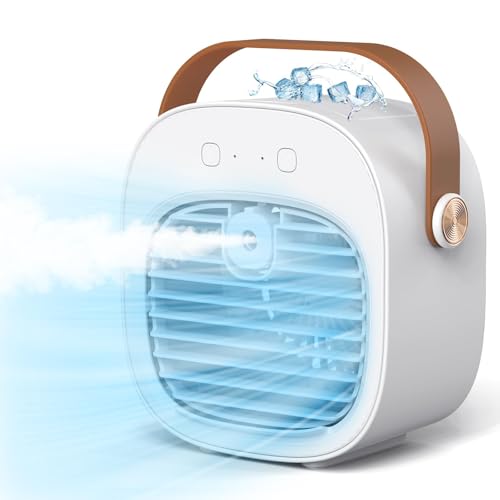
Personal Portable Air Conditioner for Car
A practical, research-backed guide to targeted vehicle cooling. Understand how personal car air conditioners work, which power source suits your driving routine, where to place the unit, and how to choose the right tier before you commit to a purchase.
Explore the Buying FrameworkWhy this guide exists: A personal portable air conditioner for car is a niche product category with very different expectations from a home AC. Cabin heat builds fast, glass surfaces radiate warmth, and power is limited. This guide explains what these units realistically deliver, so you can decide whether targeted cooling matches your driving conditions before you buy.
What Is a Personal Portable Air Conditioner for Car?
A personal portable air conditioner for car is a compact cooling device designed to deliver cold air to a small zone — typically the driver or a single passenger — rather than conditioning the entire cabin. Unlike a vehicle's built-in HVAC system, these units are self-contained, portable, and usually powered through a 12V socket, a rechargeable battery, or a separate power station.
The category overlaps with several related concepts. A personal air conditioner is the broad umbrella term, while a personal cooling device can include evaporative coolers and fans that do not use a refrigerant circuit. A true personal air conditioning unit uses a compressor or thermoelectric module to produce genuinely cooler air. For vehicles specifically, a portable 12 volt air conditioner is the most common configuration because it matches the car's electrical system.
Understanding these distinctions matters because many products marketed as car ACs are actually evaporative coolers or simple fans. They can still be useful, but they cool differently. A compressor-based unit removes heat and humidity; an evaporative unit adds moisture while moving air. Choosing the wrong technology for your climate leads to disappointment, which is why the next sections separate cooling methods clearly.
How These Units Differ from Built-In Car AC
A factory air conditioning system is engineered around the engine, a belt-driven or electric compressor, a large condenser at the front of the vehicle, and ductwork that distributes air throughout the cabin. A personal portable unit has none of that infrastructure. It cools a small volume of air and pushes it toward the occupant. That makes it far less powerful in absolute terms, but also far more flexible — you can move it between vehicles, use it in a parked camper, or take it into a tent.
Because the cooling capacity is intentionally limited, placement and expectation management are everything. A well-placed personal unit two feet from the driver can feel genuinely refreshing on a hot commute. The same unit placed in the rear cargo area will feel like it is doing nothing at all.
Cooling Technologies Used in Car Portable AC Units
There are three main technologies in this category. Each has a distinct behavior, and each suits a different type of buyer. Recognizing which one you are looking at prevents mismatched expectations.
1. Compressor-Based Units
Compressor-based personal ACs work like miniature refrigerators. A refrigerant absorbs heat from the air, a compressor circulates it, and the heat is rejected outside the cooled zone. These units produce the coldest air and also dehumidify, which is a major advantage in muggy conditions. They are heavier, require ventilation for exhaust heat, and draw more power. In a car context, they usually need a 12V connection with adequate amperage or a portable power station.
For drivers who face long commutes in humid heat, a compressor unit is the most satisfying option. The trade-off is bulk and power demand. If you are researching broader vehicle cooling approaches, the portable AC units overview provides useful context on how compressor portables behave in general.
2. Thermoelectric (Peltier) Units
Thermoelectric coolers use semiconductor plates that create a temperature difference when current flows. They are compact, quiet, and have no moving refrigerant parts, but their cooling output is modest. They work best as spot coolers aimed directly at the occupant. Power draw is moderate, and they tolerate vibration well, which is a real plus in a moving vehicle.
3. Evaporative Coolers
Evaporative units pass air over a wet pad; evaporation absorbs heat and lowers air temperature. They are effective in dry climates and consume very little power, often running on USB or 12V. However, they raise indoor humidity and become ineffective in already humid air. If you drive in a coastal or tropical region, an evaporative unit is unlikely to satisfy you. The portable air conditioner evaporative air cooler comparison explains the climate dependency in more depth.
Power Sources: 12V, 24V, Battery, and Power Stations
Power is the single most common source of frustration with a car portable AC. A unit that cools beautifully on a bench test may struggle in a vehicle if the electrical supply is inadequate. Understanding the options prevents unpleasant surprises.
12V DC Socket (Cigarette Lighter)
The standard 12V socket is convenient but limited. Many sockets are fused at 10–15 amps, which caps continuous output. A compact thermoelectric unit or a small evaporative cooler fits comfortably within that envelope. A larger compressor unit usually exceeds it and may blow the fuse or trip a protection circuit. Always check the unit's rated amperage against your socket's fuse rating.
24V DC (Trucks and Heavy Vehicles)
Truck cabs and some commercial vehicles use 24V systems. Several manufacturers offer 12V/24V dual-voltage models specifically for this market. If you drive a rig or a large van, confirm dual-voltage compatibility before ordering.
Internal Rechargeable Battery
Battery-powered personal units offer freedom from cables and can run while the engine is off. Runtime is typically measured in hours, and cooling intensity affects it significantly. These are excellent for short trips, rideshare drivers between fares, and camping. They are not designed for all-day continuous cooling.
Portable Power Station
A separate lithium power station is the most flexible solution for higher-draw units. It isolates the AC from the vehicle's starter battery, so you never risk a no-start situation. Capacity and inverter output must match the AC's demand. This setup is heavier and requires planning, but it unlocks genuine compressor cooling in a vehicle.
Drivers exploring independence from the grid often look at off-grid cooling solutions and off-grid solar AC configurations. The same power-budgeting logic applies in a vehicle: calculate continuous draw, multiply by runtime, and add a safety margin.
Placement and Venting Inside a Vehicle
Placement determines whether a personal car AC feels effective or useless. The goal is to put cold air within arm's reach of the occupant while allowing exhaust heat to escape.
- Passenger seat or center console: the most practical spot for reaching the driver. Use a seatbelt or a stable base to prevent movement during braking.
- Rear seat for passengers: aim the vent at the rear occupant and keep the unit secured low to avoid tipping.
- Floor area: cooler air settles, so a low placement can help, but ensure the intake is not blocked by bags or floor mats.
- Exhaust routing: compressor units need a window or vent path for hot air. A cracked window with a flexible hose seal works; a fully sealed cabin will trap heat and reduce performance.
Sun load is a major factor. Parking in shade, using a reflective windshield cover, and running the factory AC briefly to purge the worst heat all reduce the burden on a personal unit. Treat the personal AC as a supplement, not a replacement, and satisfaction rises sharply.
For drivers who want a removable solution without cutting into the vehicle, the portable AC unit that does not need a window discussion covers venting constraints and alternatives.
Sizing and Realistic Performance Expectations
Personal car ACs are rated in BTU, but the number does not translate the way it does for a room. A vehicle cabin is a glass-heavy, poorly insulated box with rapid heat gain. A 5,000 BTU personal unit cannot cool a full SUV cabin to room temperature on a blazing afternoon. What it can do is deliver a stream of noticeably cooler air to one person.
Use these practical benchmarks:
- Spot cooling for one occupant: thermoelectric or small compressor units in the lower BTU band are sufficient when aimed directly.
- Two front occupants: a mid-band compressor unit with a dual-vent outlet performs better than two tiny units competing for space.
- Parked sleeping or camping: battery capacity and runtime matter more than peak BTU; a unit that runs all night at moderate output beats a powerful unit that dies in two hours.
If you are unsure how capacity scales with space, the broader portable AC unit for room guide illustrates the relationship between volume, insulation, and cooling output — the same physics apply inside a vehicle, just compressed into a much smaller and harsher envelope.
Buying Framework: Market Tiers for Car Personal ACs
Rather than ranking by numbers, it helps to classify this market by capability tier. The descriptors below are relative positions within the category and remain meaningful over time. They reflect build quality, cooling technology, power flexibility, and feature depth.
| Tier | Typical Technology | Best For | Key Trade-offs |
|---|---|---|---|
| Entry-level | Evaporative pad or basic thermoelectric | Short commutes in dry climates, occasional spot cooling | Modest cooling delta, humidity-sensitive, limited vent reach |
| Mid-range | Improved thermoelectric or compact compressor | Daily drivers, rideshare use, humid-adjacent climates | Needs stable power, moderate weight, venting attention required |
| Premium | Compressor with battery or dual-power input | Long commutes, truck cabs, families with rear passengers | Larger footprint, higher continuous draw, setup time |
| Professional-grade | High-capacity compressor paired with a power station | Full-time van life, commercial vehicles, extended parked cooling | Heavy, requires planning, not a casual grab-and-go device |
Mid-range models usually offer a noticeably better cooling delta and more durable housings than entry-level units, which is the upgrade most buyers notice first. Premium and professional-grade tiers add power flexibility and runtime rather than dramatically colder air. Choose the lowest tier that satisfies your climate and runtime needs; overspending on capability you will not use adds bulk without benefit.
Buyers comparing a personal unit to a full vehicle system sometimes find it useful to review portable air conditioner are they any good for an honest assessment of what portable cooling delivers and where it falls short.
Features That Actually Matter in a Car
Specification sheets are crowded with claims. These are the features that affect daily satisfaction in a vehicle:
- Secure mounting: a wide, stable base or a seat-anchor strap prevents tipping during braking and turns.
- Adjustable airflow direction: a unit you can aim precisely beats a more powerful unit with a fixed vent.
- Low-noise operation: cabin noise amplifies perceived loudness; a unit rated for quiet operation reduces fatigue on long drives.
- Battery protection: if the unit draws from the 12V socket, automatic low-voltage cutoff protects the starter battery.
- Condensate management: compressor units produce water. Look for auto-evaporation or an accessible drain tank. The portable AC that doesn't need to be drained overview explains how evaporation systems reduce maintenance.
- Dual power input: accepting both 12V and a wall adapter makes the unit useful in a hotel room or camper as well as the car.
- Filter accessibility: a removable, washable intake filter keeps performance stable in dusty vehicle environments.
Noise and Vibration in a Moving Vehicle
Compressors and fans generate vibration, and loose parts rattle. A unit with rubber feet, a weighted base, or a snug seat mount will sound noticeably more refined than a bare plastic box. Because the cabin is a small resonant space, perceived noise is higher than the same unit would produce in a room. If you take calls while driving or carry sleeping passengers, prioritize quiet operation over peak cooling output.
Common Use Cases and Who Benefits Most
The personal car AC category serves several distinct buyer profiles. Identifying your profile narrows the choice quickly.
Daily Commuters in Hot Climates
If your vehicle's factory AC struggles during the first ten minutes of a commute, a personal unit aimed at the driver bridges that gap without waiting for the engine to cool the whole cabin. Thermoelectric and compact compressor units both work here.
Rideshare and Delivery Drivers
Frequent stops and idling make continuous engine-driven AC inefficient. A battery-powered unit keeps the driver comfortable between fares while the engine is off. Battery protection and runtime matter more than raw BTU in this scenario.
Truck and Van Operators
Long-haul cabs benefit from 24V-compatible compressor units or power-station setups. Runtime and durability dominate the decision. Drivers exploring vehicle independence often review off-grid cooling principles to plan energy budgets for overnight rest periods.
Campers and Overlanders
A personal AC that doubles as a tent or camper cooler adds value. Look for dual power input and a robust housing. The portable air conditioner for camper trailer guide covers overlapping considerations for trailer-based cooling.
Passengers and Rear-Seat Comfort
Families with children or elderly passengers often find a rear-aimed personal unit more effective than trying to redirect dashboard vents. A mid-range unit with a flexible vent neck is the practical choice.
Maintenance for Long-Term Reliability
Vehicle environments are dusty, vibrating, and temperature-cycling. A few habits keep a personal car AC performing well:
- Clean or replace the intake filter every few weeks during heavy use; dust clogs reduce airflow and cooling efficiency.
- Empty and rinse the condensate tank regularly if the unit does not auto-evaporate.
- Inspect the power cord and 12V plug for wear; vibration can loosen connections over time.
- Store the unit upright and dry when not in use to prevent mold in the evaporator or pad.
- Check the manufacturer's schedule for compressor or thermoelectric module service.
For broader seasonal upkeep routines that transfer well to vehicle units, the general maintenance guidance in portable AC unit repair covers common failure points and when a professional assessment is warranted.
How It Compares to Other Personal Cooling Options
The market offers several alternatives, and each has a legitimate niche. A personal cooling system may combine a fan, a cooling pad, and directed airflow without a refrigerant circuit. A personal wearable portable air conditioner is a neck-worn device suited to walking and light activity rather than seated driving. A personal air conditioner in the general sense is the closest sibling to the car-specific units discussed here.
If your vehicle is not the only space you need to cool, a unit with dual power input can serve a bedroom or a small apartment as well. That versatility justifies the premium tier for some buyers.
For readers weighing evaporative versus compressor approaches across environments, the outdoor evaporative air cooler discussion clarifies where each technology wins. In humid vehicle cabins, compressor and thermoelectric units remain the more dependable choices.
Step-by-Step Buying Checklist
- Confirm your climate: humid heat demands compressor or thermoelectric cooling; dry heat tolerates evaporative units.
- Measure your power budget: check the 12V socket fuse rating or decide on a power station.
- Define the cooling zone: one occupant, two front seats, or rear passengers.
- Set a runtime target: a commute, a full shift, or overnight.
- Pick a tier: entry-level for occasional dry-climate use, mid-range for daily humid-weather driving, premium for long shifts and rear passengers, professional-grade for full-time vehicle living.
- Verify mounting and venting: stable base, adjustable airflow, and a viable exhaust path for compressor models.
- Check maintenance access: washable filter, drain solution, and available replacement parts.
Working through this list takes ten minutes and prevents the most common mismatch: buying a high-output unit that cannot be powered, or a low-output unit that cannot reach the driver. Buyers who want to understand how personal units fit into a wider cooling strategy can explore the personal cooling device category overview for additional context.
Frequently Asked Questions
Does a personal portable air conditioner for car really work?
Yes, when it is correctly sized, properly vented, and positioned close to the user. These units deliver targeted cooling rather than whole-cabin climate control. A driver who expects a two-foot stream of cold air will be satisfied; a driver who expects the entire SUV to reach room temperature will not.
How is a car portable AC powered?
Most units draw power from a 12V DC socket, a 24V truck socket, or an internal rechargeable battery. Higher-capacity models use a portable power station or an inverter connected to the vehicle's electrical system. Always match the unit's rated amperage to your socket's fuse rating.
Can I use a portable AC while the engine is off?
Only if the unit runs on its own battery or a separate power station. A 12V model connected to the car socket will drain the starter battery quickly when the engine is off. Use a battery-protection mode or a dedicated power bank to avoid a no-start situation.
Do I need to vent a car personal air conditioner?
Compressor-based units reject heat and must vent it outside the cooled zone, typically through a cracked window with a flexible hose seal. Thermoelectric and evaporative units do not produce the same concentrated exhaust heat and generally do not require venting, though airflow still matters.
Which tier should I choose?
Entry-level suits occasional dry-climate spot cooling. Mid-range suits daily commutes and humid-adjacent climates. Premium suits long shifts, truck cabs, and rear passengers. Professional-grade suits full-time vehicle living and overnight parked cooling with a power station.
Will a car portable AC cool the whole cabin?
No, not in the way a factory HVAC system does. These units cool a targeted zone. Cabin-wide comfort comes from combining the personal unit with sun-load reduction, brief use of the factory AC, and reflective window covers.
Related Reading
- Personal Air Conditioner
- Personal Air Conditioning Unit
- Personal Cooling Device
- Personal Cooling System
- Wearable Portable Air Conditioner
- Portable 12 Volt Air Conditioner
- Portable AC That Does Not Need a Window
- Off-Grid Cooling Solutions
- Off-Grid Cooling
- Off-Grid Solar AC
- Portable AC for Camper Trailer
- Portable AC for Bedroom
- Portable AC for an Apartment
- Portable Evaporative Air Cooler
- Portable AC Units