Through the Wall Air Conditioner 18000 BTU: The Complete Buying and Installation Guide
An 18000 BTU through the wall air conditioner delivers substantial cooling for large rooms, open-plan living areas, and light commercial spaces. This guide explains sizing, electrical requirements, efficiency ratings, installation planning, and the model tiers worth considering before you commit to a purchase.
What an 18000 BTU Through the Wall Air Conditioner Is
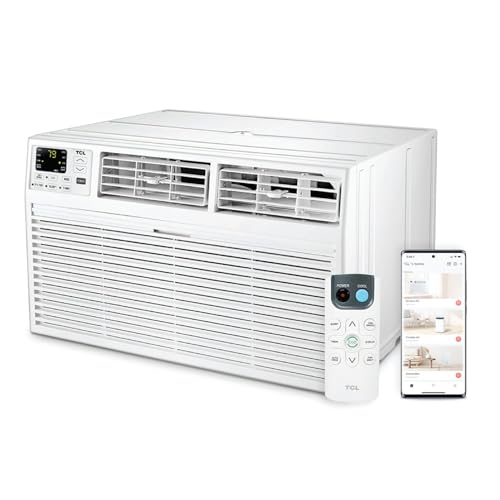
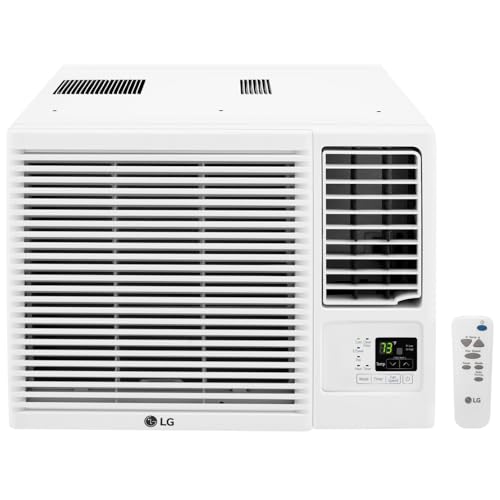
A through the wall air conditioner is a self-contained cooling unit installed permanently into an exterior wall opening, usually with a metal wall sleeve. Unlike a window unit that sits in a window frame, a through the wall model is flush with the wall, frees up window space, and offers a more secure, finished look. The 18000 BTU capacity class sits in the upper-mid range of residential cooling output and is designed for spaces that a standard 8,000 to 12,000 BTU unit cannot handle comfortably.
The 18000 BTU figure refers to the cooling capacity measured in British Thermal Units per hour. In practical terms, this capacity class is built for larger rooms where heat gain from windows, occupants, appliances, and sunlight adds up quickly. Units in this class typically run on 230/240 volt power, include a remote thermostat control, and often offer multiple fan speeds, a dehumidification mode, and sometimes a heat pump or electric heater option.
Compared with central air conditioning, a through the wall unit requires no ductwork and cools a defined zone. Compared with a ductless mini-split, it is simpler to install in an existing wall and generally occupies a single wall penetration. For homeowners who want permanent, zone-specific cooling without a full ducted system, the 18000 BTU through the wall format is a practical middle path. If you are still comparing formats, the broader through the wall AC overview explains how this category differs from window and portable units.
Room Sizing and BTU Matching
Sizing is the single most important decision in this capacity class. An undersized unit runs continuously without reaching the set temperature, while an oversized unit cools too quickly, cycles on and off, and leaves the room feeling clammy because it does not run long enough to remove humidity. The 18000 BTU class generally suits rooms in the 700 to 1,000 square foot range, but that range is a starting point, not a rule.
The following factors shift the required capacity up or down:
- Ceiling height: Rooms with ceilings above 8 feet contain more air volume and need more capacity.
- Window area and orientation: Large south- or west-facing windows add significant solar heat gain.
- Insulation and air sealing: Older homes with drafty walls and single-pane windows need more capacity than a tightly sealed newer build.
- Occupancy: Each additional person adds a measurable heat load.
- Appliances and electronics: Kitchens, home offices with multiple monitors, and rooms with servers generate extra heat.
- Climate: Hot, humid climates place higher demands on the unit than mild coastal climates.
A more precise approach uses a load calculation based on room dimensions, insulation values, and window specifications. The air conditioner sizing guide walks through the manual method, while the BTU calculator by room size gives a quick starting estimate. For whole-home planning, the AC sizing for whole home resource explains how zone capacities add up.
| Room Type | Typical Area | 18000 BTU Suitability | Notes |
|---|---|---|---|
| Large living room | 700 - 900 sq ft | Strong match | Good fit with average window area and 8 ft ceilings |
| Open-plan living and dining | 800 - 1,000 sq ft | Strong match | Consider heat gain from kitchen appliances |
| Master bedroom suite | 500 - 700 sq ft | Comfortable reserve | May cycle more often; inverter models handle this better |
| Home office with equipment | 500 - 700 sq ft | Good with electronics load | Add capacity for monitors, servers, and printers |
| Light commercial office | 600 - 900 sq ft | Good for single zone | Check occupancy and equipment heat gain |
If your room falls below roughly 600 square feet, a smaller capacity class is usually the better match. The 10000 BTU through the wall model guide and the 14000 BTU through the wall guide cover the step-down options. For very small spaces, the 5000 BTU through the wall guide explains the entry point of this format.
Electrical Requirements and Breaker Sizing
Most 18000 BTU through the wall air conditioners operate on 230/240 volt power rather than standard 115 volt household current. This is the detail that catches many buyers off guard. A 115 volt circuit is typically limited to 15 or 20 amps, which is not enough for a unit of this capacity. A 240 volt dedicated circuit with an appropriately sized breaker is the norm.
Before ordering, confirm the following:
- Voltage requirement: Check the product specification for 230V or 240V operation.
- Amperage draw: The running current and the locked rotor amps both matter for breaker and wiring selection.
- Breaker size: The manufacturer specifies a minimum circuit ampacity and a maximum breaker size. Match these exactly.
- Outlet type: Many units use a specific plug configuration, such as a 6-20P or 6-15P, and some are hardwired.
- Panel capacity: An electrician should confirm your panel can support an additional dedicated circuit.
Installing a new dedicated circuit is electrical work that should be handled by a licensed electrician. The amps and breaker size guide explains how to read nameplate data, and the do I need an electrician guide helps you decide when professional help is required. If you are comparing voltage options across the category, the 110V vs 240V comparison and the 240 volt through the wall guide provide useful context. For homes limited to standard outlets, the 110 volt through the wall guide explains the trade-offs.
Efficiency Ratings: SEER, EER, and Inverter Technology
Efficiency in this capacity class has a direct effect on long-term operating performance, especially in climates with long cooling seasons. Three ratings matter most:
- SEER and SEER2: Seasonal efficiency measured across a range of temperatures. SEER2 is the updated DOE test standard and generally produces lower numbers than legacy SEER for the same equipment.
- EER and EER2: Efficiency at a single high-temperature test point, which is useful for understanding performance during peak heat.
- HSPF and HSPF2: Relevant only if the unit includes a heat pump function for heating.
Units with inverter compressors modulate speed continuously rather than cycling on and off at full power. In an 18000 BTU through the wall air conditioner, inverter operation typically means steadier room temperature, quieter cycling, and better part-load efficiency. A single-stage unit is simpler and reliable, but it runs at full output whenever it is on. For buyers who use the unit daily through a long summer, an inverter model is often the more efficient long-term investment.
The SEER rating explainer and the SEER vs SEER2 comparison cover the rating definitions in depth. The EER rating guide explains peak-load performance, and the HSPF guide is relevant for heat pump versions. If you are specifically interested in modulating technology, the inverter through the wall guide and the inverter AC overview explain how the compressor behavior differs in daily use.
Wall Sleeve, Opening Dimensions, and Fit
Through the wall units are installed into a wall sleeve, and the sleeve dimensions must match the unit. This is not a universal standard across brands. Opening dimensions vary by manufacturer and by model series, so the wall cutout must be planned around the specific product you intend to install.
Common considerations for this capacity class include:
- Sleeve compatibility: Some units ship with a sleeve; others require a separate sleeve purchase.
- Wall thickness: The sleeve must span the wall depth, and thicker walls may require an extension kit.
- Framing and lintel: The opening must be framed correctly, with a header above the opening to carry the load.
- Exterior clearance: The outdoor side needs adequate airflow clearance and should not be blocked by fencing or shrubs.
- Drainage: Condensate must drain away from the wall, not into it.
- Sealing: The gap between the sleeve and the wall must be insulated and sealed to prevent air and water infiltration.
If you are replacing an existing unit, the through the wall replacement guide explains how to measure an existing sleeve and match a new chassis to it. Dimensional guides such as 26 x 16, 26 x 17, 26 x 18, 27 x 17, and 19 x 14 cover the most common opening sizes. For a broader look at replacement and sizing, the top-rated through the wall air conditioner guide is a useful companion read.
Installation Process and Professional Help
Installing an 18000 BTU through the wall air conditioner involves structural, electrical, and sealing work. In many jurisdictions, cutting a new opening in an exterior wall requires a permit, and the electrical circuit requires inspection. The sequence usually looks like this:
- Site assessment: Confirm the wall is structurally suitable, that the exterior location meets clearance requirements, and that the interior location supports airflow.
- Electrical planning: Have an electrician verify panel capacity and install a dedicated circuit with the correct breaker, wiring, and outlet or hardwired connection.
- Opening and framing: Cut the wall opening to the sleeve dimensions, add a proper header, and frame the sides.
- Sleeve installation: Set the sleeve level, secure it, and seal the exterior perimeter against water intrusion.
- Unit placement: Slide the chassis into the sleeve, connect electrical, and verify the outdoor side has proper clearance and drainage.
- Sealing and finishing: Insulate the gap, seal interior trim, and confirm there are no air leaks.
- Testing: Run the unit through a cooling cycle, check for vibration, confirm condensate drainage, and verify the thermostat responds correctly.
Because the work combines carpentry, electrical, and HVAC tasks, most homeowners hire a qualified installer. The through the wall air conditioner installers guide explains how to vet contractors, and the common installation mistakes article lists the errors that most often cause callbacks. The permit guide helps clarify when a permit is required, and the how to choose an HVAC contractor guide covers the questions to ask before signing.
Features That Matter in This Capacity Class
At 18000 BTU, the feature set becomes more consequential because the unit is larger, runs longer, and serves a bigger space. The features worth evaluating include:
- Inverter compressor: Steadier temperature and quieter operation, especially valuable in bedrooms and open living spaces.
- Heat pump or electric heater option: Extends usability into shoulder seasons. The heater combo guide and the heat pump version guide explain the differences.
- Dehumidification mode: Important in humid climates where moisture removal matters as much as temperature. The dehumidifier version guide covers this feature in detail.
- Wi-Fi and smart controls: Convenient for scheduling and remote adjustment. The Wi-Fi through the wall guide explains the smart control options.
- Noise level: Larger units produce more sound, so check the decibel rating and place the unit away from sleeping areas if possible. The quiet air conditioner guide discusses what noise ratings mean in practice.
- Filter access: A washable filter that slides out from the front makes routine maintenance much easier.
- Programmable thermostat and timer: Useful for matching cooling to occupancy patterns.
For buyers who want a combined heating and cooling unit, the through the wall heater combo guide and the heat and air conditioning units overview are the most relevant starting points. If you are comparing the broader category of wall-mounted systems, the through the wall air conditioning units overview and the through wall heating and air conditioning units guide provide additional context.
Model Tiers and What They Offer
Within the 18000 BTU through the wall category, models fall into recognizable tiers. The classification below is based on feature depth, build quality, and market positioning rather than any specific figure, and it uses consistent tier descriptors throughout this guide.
| Tier | Typical Characteristics | Best For |
|---|---|---|
| Entry-level | Single-stage compressor, basic mechanical or digital controls, washable filter, straightforward cooling and fan modes | Buyers who need reliable cooling for a defined season and prefer a simpler control scheme |
| Mid-range | Digital thermostat, multiple fan speeds, dehumidification mode, timer and sleep functions, better sound treatment | Everyday household use in living rooms and large bedrooms where comfort features matter |
| Top-tier | Inverter compressor, heat pump or heater option, Wi-Fi and smart controls, improved filtration, quieter operation | Long cooling seasons, frequent daily use, and buyers who want the most efficient long-term investment |
As a general pattern, entry-level models prioritize simplicity and durability, mid-range models add the comfort features most households actually use, and top-tier models bring inverter modulation and smart controls. The differences between tiers show up most clearly in daily use: a top-tier inverter model tends to hold a steadier temperature and run more quietly than an entry-level single-stage unit, while a mid-range model often offers the most balanced feature set for the category. The top-rated through the wall air conditioner guide and the broader AC shopping guide can help you match a tier to your usage pattern.
Maintenance for Long-Term Performance
An 18000 BTU unit moves a large volume of air, which means filters load up faster and coils accumulate dust more quickly than on smaller units. A simple maintenance routine protects efficiency and extends service life.
- Clean or replace the air filter every two to four weeks during heavy use.
- Inspect and gently clean the outdoor coil at the start of each cooling season.
- Check that condensate drains freely and that the drain path is clear.
- Verify the exterior clearance remains unobstructed by plants, fencing, or debris.
- Listen for unusual vibration or rattling and address loose panels promptly.
- Schedule a professional inspection if cooling performance drops noticeably.
The clean AC filter guide and the seasonal AC checklist provide step-by-step routines. For energy-focused adjustments, the ideal temperature setting guide and the reduce AC electricity bill guide explain how small habit changes add up. If the unit stops cooling properly, the AC not cooling troubleshooting guide and the air conditioning troubleshooting overview are the first places to check before calling a technician.
Pre-Purchase Checklist for an 18000 BTU Through the Wall AC
Before you finalize a purchase, run through this checklist. Each item prevents a common installation or performance problem.
- Confirm the room's heat load supports 18000 BTU, accounting for windows, insulation, occupancy, and appliances.
- Verify the unit's voltage requirement matches your available or planned electrical supply.
- Confirm the breaker size and wiring match the manufacturer's specification.
- Measure the intended wall opening against the manufacturer's sleeve dimensions.
- Confirm whether the sleeve is included or must be purchased separately.
- Check exterior clearance and condensate drainage routing.
- Decide whether a heat pump, heater, dehumidification mode, or Wi-Fi control is worth the added capability for your usage.
- Compare the efficiency ratings of the models on your shortlist using SEER2 and EER2.
- Confirm warranty terms and whether professional installation is required to preserve coverage.
- Plan for a licensed electrician and, where required, a permit.
If you are still deciding between this capacity and a smaller one, the 10000 BTU guide and the 14000 BTU guide show where the practical boundaries sit. For a broader category comparison, the top-rated through the wall list and the through the wall AC overview are useful next reads.
Ready to Compare 18000 BTU Through the Wall Models?
Review the recommended models below to compare features, efficiency ratings, and installation requirements side by side.
View Recommended ModelsFrequently Asked Questions
What size room does an 18000 BTU through the wall air conditioner cool?
An 18000 BTU through the wall air conditioner typically cools rooms between 700 and 1,000 square feet, depending on ceiling height, insulation, window area, and local climate. It is a solid choice for large living rooms, open-plan spaces, and light commercial areas.
Does an 18000 BTU through the wall AC require a dedicated circuit?
Yes. Most 18000 BTU through the wall air conditioners operate on 230/240 volt power and require a dedicated circuit with an appropriately sized breaker. A licensed electrician should verify your electrical panel capacity before installation.
Can an 18000 BTU through the wall air conditioner replace a window unit?
Yes, in many cases. A through the wall unit is permanently installed into an exterior wall sleeve, freeing up window space and offering a more secure, flush fit. The wall opening must be sized correctly, and some installations require a compatible wall sleeve.
Is an inverter through the wall air conditioner better than a single-stage model?
An inverter model modulates compressor speed for steadier temperatures, quieter operation, and better part-load efficiency. Single-stage models are simpler and reliable. For long cooling seasons and frequent use, an inverter through the wall air conditioner is often the more efficient long-term investment.