
Window Air Conditioner Without a Window: Complete Solutions Guide
Living without a standard window does not mean you have to endure the heat. Discover practical, safe, and efficient ways to cool your room using window AC technology or proven alternatives.
EXPLORE COOLING OPTIONSWhy this guide matters: Many apartments, basements, converted attics, and modern homes have limited or non-standard window openings. If you are researching a window air conditioner with no window, you are in the right place. This guide explains every viable method, the pros and cons of each, and how to choose the approach that fits your space, your walls, and your long-term needs.
Why a Standard Window AC May Not Fit
A window air conditioner is engineered to sit in a double-hung window frame, supported by the sill and the window sash. When that frame is missing, the wrong shape, or unsafe, the unit cannot be installed correctly. Common situations include:
- Casement or crank-out windows that open sideways instead of vertically.
- Sliding glass doors or side-sliding windows with no upper sash to secure the unit.
- Basement and interior rooms that have no exterior window at all.
- High-rise or modern buildings with fixed glazing, narrow openings, or building rules that prohibit window-mounted units.
- Very small or very large window openings that fall outside the unit's specified width and height range.
Understanding your exact limitation is the first step. The good news is that manufacturers and installers have developed dedicated solutions for nearly every scenario. If you are still exploring general options, our broader guide on the window air conditioner covers sizing, efficiency, and features before you commit to a specific installation path.
Top Solutions for Cooling Without a Standard Window
Each option below is evaluated on installation complexity, efficiency, permanence, and suitability for renters versus homeowners. Use the tier labels to understand where each approach sits in the market without relying on specific numbers.
Ductless Mini-Split System
The most energy-efficient and quietest long-term solution. A small indoor air handler mounts on a wall or ceiling and connects to an outdoor compressor through a narrow conduit. No window is required at all. Ideal for homeowners who want permanent, zone-controlled comfort and are prepared for professional installation. Explore the fundamentals in our ductless mini-split AC guide.
Through-the-Wall Air Conditioner
A through-the-wall unit is installed into a sleeve built into an exterior wall. This is essentially a window AC re-engineered for wall mounting. It frees up window space and offers a secure, permanent fit. Requires cutting a wall opening and possibly a dedicated circuit. Best for homeowners and long-term residents. Learn more about the through-the-wall AC approach.
Portable Air Conditioner
A portable AC rolls from room to room and needs only an exhaust path for hot air. If you have a sliding door, a drop ceiling, a dryer vent, or a small wall sleeve, it can work without a window. Less efficient than mini-splits but highly flexible and renter-friendly. See our full breakdown of the portable air conditioner category.
Casement Window AC or Kit
If your only opening is a casement or crank-out window, a dedicated casement window AC or a casement window installation kit can bridge the gap. These units are narrower and taller to fit vertical openings. They are a specialized mid-tier choice for rooms with side-opening windows. Related reading: window air conditioner for crank-out windows.
Sliding Door or Sliding Window Kit
Standard window ACs can sometimes be paired with a sliding door kit or sliding window kit that seals the gap around the unit. This is a practical entry-level workaround for side-sliding openings and glass doors. It requires careful sealing and a secure support bracket. See options for a window air conditioner for sliding glass door setup.
Floor-Standing Window AC
A floor-standing window AC sits on the floor and vents through a window or wall opening using a hose or plenum. Some models are designed to sit inside the room and exhaust through a short duct. These are compact, easy to relocate, and suit small rooms where mounting is not possible. Related: window air conditioner that sits on the floor.
Side-by-Side Comparison of No-Window Cooling Options
The table below compares the main approaches across practical decision factors. Use the "Tier" and "Best For" columns to match a solution to your situation.
| Solution | Tier | Installation | Efficiency | Best For |
|---|---|---|---|---|
| Ductless Mini-Split | Top-Tier | Professional | Highest | Homeowners wanting permanent, quiet, zoned comfort |
| Through-the-Wall AC | Mid-Range | Moderate (wall opening) | High | Long-term residents who can modify an exterior wall |
| Portable AC | Entry-Level | Minimal (exhaust path needed) | Moderate | Renters and rooms with a sliding door or vent option |
| Casement Window AC / Kit | Mid-Tier Specialty | Moderate | Moderate to High | Rooms with only side-opening windows |
| Sliding Door / Window Kit | Entry-Level | DIY-friendly | Moderate | Sliding glass doors and side-sliding windows |
| Floor-Standing Window AC | Compact Entry-Level | Minimal | Moderate | Small rooms and temporary setups |
How to Choose the Right Solution
Match Your Situation to the Best Approach
- You own the home and want a permanent fix: A ductless mini-split or a through-the-wall unit delivers the best long-term performance and adds usable living space.
- You rent and cannot modify walls: A portable AC with a sliding-door kit or a floor-standing unit is your safest, most reversible path.
- Your only opening is a casement window: Choose a casement-specific AC or kit; do not force a standard double-hung unit into a vertical opening.
- You have a sliding glass door: A sliding door kit combined with a standard window AC can work, provided you reinforce the seal and support the unit properly.
- You have no exterior opening at all: A mini-split with a small wall penetration or a portable unit vented through a dryer vent or drop ceiling are the realistic options.
- You need cooling for a small room only: A compact floor-standing or portable unit is a sensible entry-level choice that avoids structural work.
Critical Installation and Safety Considerations
No matter which route you choose, safety and correct sealing determine whether the system cools effectively and lasts. Keep these points in mind:
- Support and weight: A window AC that is not properly supported can fall. Use a dedicated window AC bracket support or the manufacturer's recommended bracket. Never rely on the window sash alone.
- Sealing the gap: Air leaks around a poorly fitted unit waste energy and let humidity in. Use foam insulation, weatherstripping, and a proper window AC installation kit for your opening type.
- Electrical capacity: Check that the circuit and outlet match the unit's requirements. Large units may need a dedicated circuit. A qualified electrician should confirm this before installation.
- Building rules: Apartments and HOAs often restrict window-mounted or wall-mounted units. Confirm permissions before cutting a wall or hanging a unit outside.
- Condensate management: Some units drip water. If dripping is a problem for your setup, look for designs described as a window air conditioner that doesn't drip water.
- Clearance and airflow: Keep the outdoor side of any unit clear of obstructions so heat can escape. Blocked airflow reduces cooling and shortens compressor life.
Special Cases: Casement, Narrow, and Small Windows
If your window exists but is the wrong shape, you may still be able to use a window AC with the right accessory. Casement windows open outward on a hinge, so a standard unit will not fit. A casement window AC is built tall and narrow for this exact purpose. If your opening is simply too small for a full-size unit, look at compact models designed for tight spaces, such as a window air conditioner for small window opening or a window unit for small window.
For windows that open sideways rather than up and down, review the dedicated guidance on a window air conditioner for side opening window and the broader article on a window air conditioner for windows that open sideways. These resources explain the sealing kits and support methods that make a sideways installation safe.
Can a Portable AC Work Without Any Window?
A portable air conditioner must exhaust hot air somewhere. It cannot cool a sealed room continuously without a vent path. If you have no window, consider these exhaust routes:
- Sliding glass door: Use a sliding door vent kit that seals the hose into the door opening.
- Dryer vent: If a dryer vent is accessible and permitted, a compatible adapter can route exhaust outside.
- Wall sleeve or vent: A small wall vent installed by a professional can serve as a permanent exhaust point.
- Drop ceiling or attic: In some commercial or basement spaces, venting into a return plenum or attic is possible, but this must follow building codes and fire safety rules.
If none of these paths exist, a portable AC is not the right choice. In that case, a ductless mini-split with a small wall penetration is the cleanest permanent answer. Related reading on exhaust accessories: window exhaust for portable air conditioner and window vents for portable air conditioners.
Efficiency and Long-Term Value
When a window is unavailable, efficiency becomes even more important because installation compromises can increase energy use. Prioritize the following:
- Inverter technology: Inverter-driven compressors modulate speed instead of cycling on and off, which improves comfort and reduces energy consumption. This applies to mini-splits and to some window units — see window air conditioner with inverter technology.
- Correct sizing: An oversized unit cools too quickly and leaves humidity behind; an undersized unit runs constantly. Use a room-size calculation before choosing capacity. Start with our guide on how to size an air conditioner.
- Smart controls: Programmable and Wi-Fi thermostats reduce wasted runtime. See Wi-Fi air conditioner thermostat options for retrofit and new installations.
- Sealing and insulation: Every gap around a kit or wall sleeve is a leak. Proper sealing protects the efficiency gains you paid for.
Think of the cooling system as a long-term investment in livability. A well-installed mini-split or through-the-wall unit typically outperforms a temporary workaround in comfort, noise, and durability, even though it requires more planning upfront.
Maintenance for No-Window Installations
All cooling systems need routine care. For no-window setups, pay particular attention to the following:
- Filter cleaning: Wash or replace filters monthly during heavy use. A clogged filter strains the compressor and reduces cooling.
- Condensate lines: Portable and through-the-wall units often have drain paths. Keep them clear to avoid water backup.
- Outdoor coil access: If the outdoor section is difficult to reach, schedule professional cleaning so dust and debris do not accumulate.
- Seasonal checks: Before summer, test the unit, inspect seals, and confirm the electrical connection is secure.
If you notice weak cooling, unusual noise, or water where it should not be, consult our troubleshooting library. For example, a window air conditioner not blowing cold air can often be traced to airflow, thermostat, or refrigerant issues that a technician can diagnose quickly.
Frequently Asked Questions
Can you install a window air conditioner without a window?
What is the best alternative to a window AC when there is no window?
Can a portable air conditioner work without a window?
How do you install a window AC in a casement window?
Is a through-the-wall AC better than a portable AC?
Do I need a professional for a no-window cooling installation?
Final Takeaways
Cooling a room without a standard window is a solved problem — but the solution depends on your walls, your ownership status, and your budget for installation labor rather than the unit itself. For homeowners planning a long stay, a ductless mini-split or through-the-wall system offers the best comfort and efficiency. For renters or temporary situations, a portable AC with a verified exhaust path or a sliding-door kit is the most practical starting point. Whichever route you take, prioritize correct sizing, safe support, and thorough sealing.
If you are still comparing core product types, revisit our main window air conditioner guide and our portable air conditioner overview before finalizing your choice. A little planning now prevents a season of weak cooling and wasted energy later.
Recommended Window Air Conditioners for No-Window Setups
⚠️ AFFILIATE DISCLOSURE: This website contains affiliate links. As an Amazon Associate, we earn from qualifying purchases. If you make a purchase through these links, we may receive a small commission at no additional cost to you. Read our full affiliate policy.
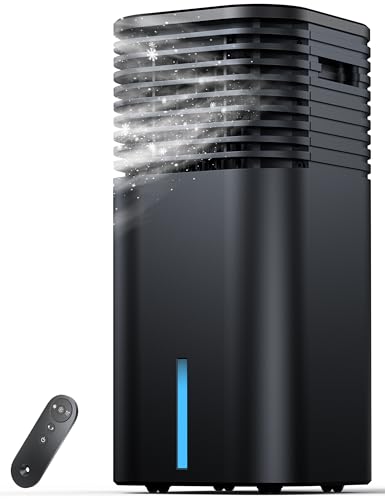
Windowless Portable Air Conditioner, 24.3" Small Evaporative Air Cooler for Room No Window, 3-Speed Settings, 4 Modes, 15H Timer, Remote Control, 4 Ice Packs, Quiet AC Unit for Bedroom, Black
Check price on Amazon
HYUIO Portable Air Conditioner No Window Needed, Wireless Remote Control, 3 Speed Settings, Long Air Outlet for Cooling Room, Bedroom, Office
Check price on Amazon
Windowless Air Conditioner & Heater Combo Unit 2000W White,55cm | Ductless Wall Mount AC for Garage & Apartment, No Hose Needed, Portable Heating Fan with Touch & 2-8H Timer
Check price on Amazon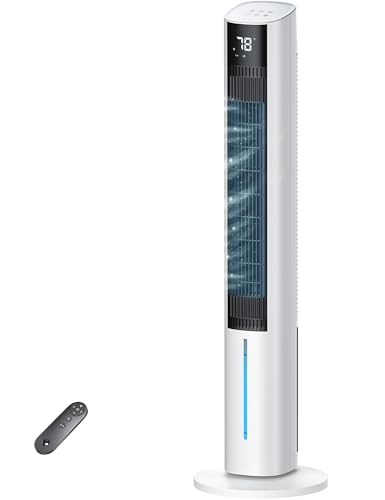
Windowless Portable Air Conditioners, 45.1" Evaporative Cooler for Room No window, 12H Timer & 60° Swing, 1.06Gal Water Tank & 4 Ice Packs, Quiet Portable ac Unit with Remote for Bedroom white
Check price on Amazon
Midea 10,000 BTU U Shaped Window Air Conditioner, Cools up to 450 Sq Ft | Ultra Quiet U-Shaped Design, Inverter Control, Open Window Flexibility, Alexa/Google Assistant, 37% Energy Savings, 2026 New
Check price on Amazon
GE Window Air Conditioner 5,000 BTU AC Unit for Small Spaces up to 150 sq ft with Manual Controls & 2 Cooling Modes, Easy Install Kit, White
Check price on Amazon
Windowless Portable Air Conditioners Fan, Swamp Cooler 3 Modes & 3 Speeds, 16FT Remote,12H Timer for Smart Auto-off, No Hose Needed,2-Gal Tank for 20H Cooling 36db Evaporative Air Cooler
Check price on Amazon