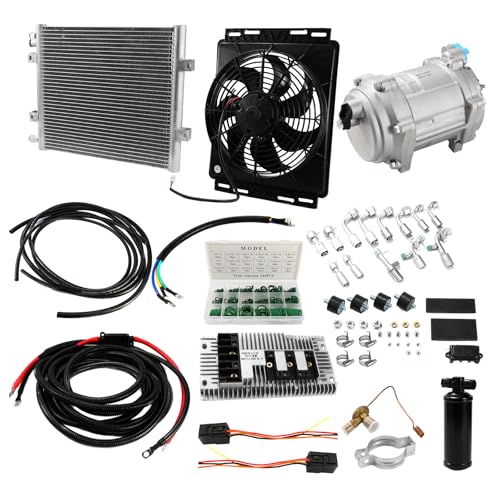
3 Ton Air Conditioner Compressor: Complete Replacement Guide
Understand compressor types, replacement tiers, and the key factors that influence your 3 ton AC compressor project — so you can plan with confidence before calling a technician.
START LEARNINGWhy research before you replace? A 3 ton air conditioner compressor is the heart of your cooling system, and replacing it is a major decision. Understanding compressor types, warranty implications, and when repair makes sense versus replacement helps you avoid overspending and choose the right path for your home.
What Is a 3 Ton Air Conditioner Compressor?
A 3 ton air conditioner compressor is the pump that circulates refrigerant through your cooling system. "3 ton" refers to the cooling capacity of the system — approximately 36,000 BTU per hour — which is typically suitable for homes around 1,800 to 2,200 square feet, depending on climate, insulation, and layout.
The compressor pressurizes refrigerant, raising its temperature so it can release heat outdoors. It is the most expensive single component in a split-system air conditioner and the part most likely to determine whether a system is repaired or replaced. When a 3 ton compressor fails, homeowners face a significant decision: replace just the compressor, replace the outdoor condenser unit, or replace the entire system.
Compressors come in several designs, and the type installed in your system affects durability, efficiency, and replacement options. If you are unsure whether your system is 3 tons, a load calculation and equipment nameplate check can confirm the capacity. Our guides on how to size an air conditioner and BTU calculation by room size explain how capacity is determined.
How the Compressor Fits Into Your AC System
In a split-system air conditioner, the compressor sits inside the outdoor condenser unit. It works with the condenser coil, expansion valve, and evaporator coil to move heat from inside your home to the outside. Because the compressor is a sealed mechanical component, failures are usually not repairable — they require replacement of the compressor itself.
Compressor failure symptoms include warm air from vents, unusual noises, tripped breakers, and a compressor that will not start. Our guide on AC not cooling and compressor replacement covers troubleshooting steps before you assume the worst.
Types of Compressors Used in 3 Ton AC Systems
The type of compressor installed in your 3 ton system affects efficiency, noise, and replacement considerations. Understanding the main types helps you ask the right questions when getting quotes.
Scroll Compressors
Scroll compressors are the most common type in modern residential air conditioners, including many 3 ton systems. They use two spiral-shaped scrolls to compress refrigerant continuously, which results in smoother operation, fewer moving parts, and generally better reliability than older designs. Scroll compressors fall across entry-level through premium tiers depending on brand and internal construction.
Reciprocating Compressors
Reciprocating compressors use pistons to compress refrigerant. They are older technology but still found in some systems and are common in older equipment. They tend to be heavier and noisier than scroll compressors. Replacement options for reciprocating compressors may be limited compared with scroll designs.
Rotary Compressors
Rotary compressors are common in smaller systems and some inverter-driven models. They are compact and efficient for their size. In 3 ton residential systems, rotary designs appear in some inverter units and specific manufacturer platforms.
Inverter and Variable-Speed Compressors
Inverter compressors can vary their speed to match cooling demand, which improves efficiency and comfort. A 3 ton inverter system may use a variable-speed compressor instead of a single-speed unit. These compressors are generally more sophisticated and fall in the mid-range to premium tiers. When replacement is needed, inverter compressors often require matched components and specialized diagnostic tools.
Factors That Influence 3 Ton Compressor Replacement
Replacing a 3 ton air conditioner compressor is not a simple swap. Several factors affect the scope of the project and the overall investment. Understanding these factors helps you evaluate quotes and avoid surprises.
Compressor Type and Tier
Scroll compressors are the most common replacement, but inverter and variable-speed compressors are more complex and typically sit in higher tiers. The tier of the replacement compressor affects durability, noise, and compatibility with your existing system. Matching the compressor to the system's design is critical — an incompatible compressor can reduce efficiency and shorten system life.
Refrigerant Type
Older systems may use R-22 refrigerant, while newer systems use R-410A or R-32/R-454B. Compressor replacement must account for the refrigerant in your system. R-22 systems face phase-out considerations, and replacement options may be limited. Our guides on R-22 freon and R-22 replacement explain the regulatory landscape.
System Age and Condition
If your system is nearing the end of its expected service life, replacing just the compressor may not be the best use of resources. A new compressor in an aging system can be followed by coil failures, refrigerant leaks, or blower motor issues. In many cases, replacing the outdoor condenser unit or the full system offers better long-term reliability. Our guide on replace vs repair walks through the decision framework.
Warranty Status
If your system is still under manufacturer warranty, the compressor itself may be covered, but labor typically is not. Check your warranty terms before approving work. Our guide on AC warranty explained covers what is typically included and what to expect.
Labor and Additional Parts
Compressor replacement involves recovering refrigerant, brazing new connections, replacing filter driers, evacuating the system, and recharging refrigerant. Additional parts such as start components, contactors, or capacitors may also need replacement. Labor is a significant portion of the project and varies by region and contractor.
Compressor Tiers and What to Expect
Compressor options span several tiers, each with different characteristics. Rather than focusing on numbers, compare tiers by the features and durability they offer.
| Compressor Tier | Typical Design | Durability | Noise Level | Best For |
|---|---|---|---|---|
| Entry-level | Standard single-speed scroll or reciprocating | Solid for standard residential use | Moderate | Budget-conscious replacements in older systems |
| Mid-range | Improved scroll design with better internals | Enhanced reliability | Reduced | Most standard residential replacements |
| Premium | Advanced scroll with vibration isolation | High durability | Low | Homeowners prioritizing quiet, long-lasting operation |
| High-end tier | Variable-speed or inverter compressor | Very high | Very low | High-efficiency systems and comfort-focused homes |
| Top-tier / flagship | Advanced inverter with smart controls | Exceptional | Minimal | Premium systems matched to high-SEER equipment |
For a broader look at efficiency ratings that often accompany higher-tier compressors, see our explainer on SEER ratings and the SEER vs SEER2 comparison.
Compressor Replacement vs Full System Replacement
One of the most important decisions when facing a failed 3 ton compressor is whether to replace just the compressor or invest in a new system. Both paths have legitimate use cases.
When Compressor-Only Replacement Makes Sense
- The system is relatively new and still under warranty.
- The condenser and evaporator coils are in good condition.
- The compressor failure is isolated and not caused by a systemic issue.
- You plan to stay in the home for a limited time and want a straightforward fix.
- The existing system uses current refrigerant and has reliable parts availability.
When Full System Replacement Makes More Sense
- The system is older and near or past its expected service life.
- Refrigerant type is being phased out and replacement parts are becoming harder to source.
- The system has a history of repeated failures or refrigerant leaks.
- You want higher efficiency, better comfort, or quieter operation.
- The compressor failure may have damaged other components.
For a detailed comparison, see our guides on replacing an air conditioner, replacement HVAC system overview, and HVAC replacement planning. If you are weighing the broader system context, our article on replacing a coil in an AC unit may also help.
Extending the Life of Your 3 Ton Compressor
Preventive maintenance is the best way to protect your compressor and delay replacement. A well-maintained 3 ton system can run reliably for many years, while a neglected system may fail prematurely.
Key Maintenance Practices
- Change air filters regularly. Restricted airflow forces the compressor to work harder. See our guide on when to replace your AC filter.
- Keep the outdoor unit clean. Clear debris from around the condenser and clean coils periodically. Our guide on cleaning condenser coils covers the process.
- Schedule professional tune-ups. A technician can check refrigerant charge, electrical connections, and compressor performance. See our seasonal AC checklist.
- Monitor for early warning signs. Strange noises, increased energy use, or reduced cooling may indicate a developing problem.
- Address refrigerant leaks promptly. Low refrigerant can cause the compressor to overheat and fail. Our guide on refrigerant leak repair explains the process.
For a deeper preventive routine, see our article on preventive maintenance of air conditioning units and our guidance on servicing air conditioning units.
What to Look for in a 3 Ton Compressor Replacement
When selecting a replacement compressor, focus on compatibility, durability, and contractor quality rather than just the part itself.
Compatibility With Your System
The compressor must match your system's refrigerant, voltage, and capacity. An incompatible compressor can reduce efficiency and lead to premature failure. A reputable contractor will confirm compatibility before ordering parts.
Brand and Part Availability
Stick with brands that have established parts networks. When a compressor fails, availability of the exact replacement affects downtime. Brands with strong distribution and support in your region are preferable.
Warranty on Parts and Labor
Ask about warranty terms for both the compressor and the labor. Many compressors carry a manufacturer warranty, while contractors may offer their own labor warranty. Clarify coverage before approving work. Our guide on AC warranty registration explains how to protect your coverage.
Contractor Qualifications
Compressor replacement requires EPA Section 608 certification for refrigerant handling. Ask about licensing, insurance, and experience with your system type. Our guide on HVAC license and insurance explains what to verify.
System-Level Considerations
If you are replacing a compressor in a system that is otherwise in good condition, focus on matching the original specifications or improving durability within the same tier. If you are considering a larger upgrade, our guides on 3 ton air conditioning unit planning and central air conditioning unit planning offer broader context.
Related Planning Guides
Compressor replacement often raises broader questions about system-level planning. These related guides help you see the full picture.
- Compressor for AC unit overview — general compressor replacement context.
- Air conditioner planning guide — when a full unit replacement is on the table.
- AC system planning guide — broader system considerations.
- New central AC unit guide — for whole-home upgrades.
- Mini-split planning guide — if you are exploring ductless alternatives.
- Condenser coil replacement guide — when compressor and coil work overlap.
- Replacing HVAC systems — when both heating and cooling need attention.
- Residential air conditioning overview — for context on home cooling systems.
Ready to Compare Compressor Options?
Browse our curated selection of air conditioning components and replacement options to find the right fit for your 3 ton system.
VIEW RECOMMENDED OPTIONSFrequently Asked Questions
How long does a 3 ton air conditioner compressor last?
With proper maintenance, a 3 ton compressor can last 10 to 15 years or more. Factors like filter maintenance, refrigerant charge accuracy, and outdoor unit cleanliness significantly affect lifespan. Systems that are neglected or run with low refrigerant tend to fail earlier.
What causes a 3 ton compressor to fail?
Common causes include refrigerant undercharge or overcharge, restricted airflow from dirty filters, electrical issues such as failed capacitors or contactors, and lack of lubrication due to refrigerant loss. Poor installation practices and dirty condenser coils also contribute to premature failure.
Should I replace just the compressor or the whole outdoor unit?
It depends on system age, warranty status, and condition of other components. If the system is relatively new and the compressor is the only issue, compressor-only replacement can make sense. If the system is older or has other failing parts, replacing the outdoor condenser unit or the full system often provides better long-term reliability.
Can I replace a 3 ton compressor myself?
Compressor replacement requires EPA Section 608 certification for refrigerant handling, specialized tools, and brazing skills. It is not a DIY project. Improper installation can damage the new compressor and create safety hazards. Hire a licensed HVAC contractor.
Does compressor replacement require a new refrigerant charge?
Yes. The refrigerant must be recovered, the system evacuated, and a new charge added. The exact amount depends on the system's line set length and design. Reusing refrigerant is generally not recommended due to contamination risk, and the type of refrigerant must match the system's design.
Is a 3 ton compressor the same as a 36,000 BTU compressor?
Yes. One ton of cooling capacity equals approximately 12,000 BTU per hour, so a 3 ton system is rated at about 36,000 BTU. This capacity is generally suited to homes around 1,800 to 2,200 square feet, though a proper load calculation is the only reliable way to size a system.
How long does compressor replacement take?
Most compressor replacements take several hours to a full day, depending on system accessibility, refrigerant recovery time, and any additional repairs needed. Complex systems or systems with additional issues may take longer. Ask your contractor for a realistic timeline before work begins.
Will a new compressor improve my system's efficiency?
Not necessarily. Efficiency is determined by the entire system, not just the compressor. If the replacement compressor matches the original specifications, efficiency should remain similar. If you want improved efficiency, consider a full system replacement with higher-efficiency equipment. Our guide on SEER ratings explains how efficiency is measured.
Final Thoughts
A 3 ton air conditioner compressor replacement is a significant decision that requires understanding your system's condition, warranty status, and long-term plans. By comparing compressor tiers, evaluating whether compressor-only replacement is appropriate, and choosing a qualified contractor, you can make a well-informed choice that fits your home and budget.
If you are still in the research phase, explore our related guides on compressor for AC unit, replacing an air conditioner, and 3 ton air conditioning unit planning. When you are ready to compare options, our recommended products section below highlights relevant components across tiers.