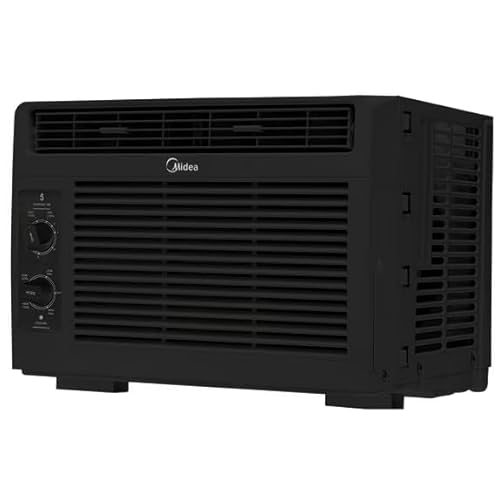
Small Window Air Conditioner 15 Inches Wide: Complete Guide
Everything you need to know about narrow 15-inch window air conditioners — how to measure your window, what BTU range fits, installation tips for narrow frames, and features that matter.
START READINGQuick Answer: A small window air conditioner that is 15 inches wide fits narrow window openings where standard 17–20 inch units cannot go. Most 15-inch-wide models deliver 5,000–8,000 BTU and cool rooms up to about 250 square feet. Measure both the window opening width and the actual cabinet width before buying, since a 15-inch unit needs a few extra inches of clearance for installation.
Why 15-Inch-Wide Window ACs Matter
Most standard window air conditioners are 17 to 20 inches wide. That works well for typical double-hung windows in modern homes, but many situations require something narrower:
- Older homes with narrow window frames built before standardized window sizes.
- Casement and slider windows where the opening is limited in width.
- Basement or utility windows that are smaller than living-area windows.
- Apartment windows with restrictive or decorative frames.
- Rooms where a narrow window is the only available cooling location.
A 15-inch-wide unit is purpose-built for these situations. It delivers real cooling without requiring you to enlarge the opening or abandon window cooling for a portable unit. If your window is a horizontal slider rather than a vertical opening, a side-to-side configuration may be needed — see the side-to-side window air conditioner guide for context.
How to Measure Your Window for a 15-Inch AC
Correct measurements prevent both fitting problems and safety issues. Measure these three dimensions before buying:
1. Window Opening Width
Measure the horizontal distance between the side stops of the window frame. The unit's cabinet width — not just the opening — must fit. A 15-inch-wide AC typically requires an opening of at least 15.5 to 16 inches to allow for the side panels and installation clearance. Measure at the widest point of the opening, not just the sash.
2. Window Opening Height
Measure the vertical opening from the sill to the bottom of the sash. A typical 15-inch-wide AC requires a window height of at least 13 to 14 inches. If your window is short, a small window air conditioner with a 10-inch height may be a better fit.
3. Sill Depth and Window Type
Check that the window sill is deep enough for the unit to rest securely. A support bracket is often required for safety, especially on upper floors. Confirm whether your window is double-hung (opens up and down) or a slider.
Tip: If your window opening is narrower than 15 inches, or if you are not sure of the exact measurement, a small window air conditioner 14 inches wide may be the safer choice. For openings closer to 12 inches, see the 12-inch-wide guide.
BTU and Room Size for 15-Inch Window ACs
Most 15-inch-wide window units fall in the 5,000–8,000 BTU range. This makes them well-suited to small and medium-small rooms:
- 5,000–6,000 BTU: Rooms up to about 150 square feet — bedrooms, home offices, small studios.
- 8,000 BTU: Rooms up to about 250 square feet — larger bedrooms, small living areas.
Adjust upward for sunny rooms, kitchens, or rooms with many windows. Adjust downward for shaded rooms or basements. For a deeper capacity breakdown, see the room size guide for a 5,000 BTU air conditioner and the broader small air conditioners for small rooms overview.
If your room is larger than 250 square feet, a 15-inch-wide AC may struggle. A small but powerful window air conditioner with higher BTU may still fit, but verify the cabinet width matches your opening.
Types of 15-Inch-Wide Window ACs
| Type | Tier | Best For |
|---|---|---|
| Standard 15-inch cooling-only unit | Entry-Level | Small rooms, basic cooling, minimal features |
| 15-inch unit with thermostat and remote | Mid-Range | Bedrooms, home offices, rooms needing precise temperature control |
| 15-inch heat-and-cool unit | Premium | Year-round comfort in rooms that also need heating |
If you need both cooling and heating from one narrow unit, a small heat and air conditioner window unit is worth considering. For rooms where the window is a slider, the small air conditioner for side sliding window guide covers specifics.
Key Features to Look For
Narrow units vary widely in features. Prioritize these based on your room and usage:
Cooling and Efficiency
- EER or CEER rating: Higher ratings mean more cooling per unit of electricity. A small window air conditioner ENERGY STAR certified model uses noticeably less electricity over time.
- BTU matched to room size: Undersizing wastes energy and leaves the room uncomfortable; oversizing short-cycles and leaves the room humid.
- Dehumidification mode: Useful in humid climates; removes moisture without full cooling.
Controls and Comfort
- Thermostat accuracy: A precise thermostat maintains steady comfort. See the small window air conditioner with thermostat guide for options.
- Remote control: Convenient for adjusting settings from across the room. A small window air conditioner with remote control is common in mid-range and premium units.
- Programmable timer and sleep mode: Valuable for bedrooms and work schedules.
- Multiple fan speeds: Helps balance noise and airflow.
Installation and Safety
- Support bracket included or required: Confirm before buying; brackets are essential for safety.
- Window kit included: Side panels and weatherstripping should be in the box.
- Weight: Narrow units are typically 40–55 pounds. Lighter units are easier to install and remove.
Noise
Window units are not silent. In bedrooms, compressor noise matters. Check decibel ratings and look for a quiet or sleep mode. The small air conditioners for bedrooms guide covers quiet models in more detail.
Installation Tips for Narrow Windows
Narrow openings leave less margin for error. Follow these steps for a safe, secure installation:
- Verify the opening measurements against the unit's cabinet width and required height. Do not force the unit into the opening.
- Use a support bracket — especially on upper floors or where the sill is shallow. Never rely on the window sash alone to hold the unit.
- Install the side panels to seal the gaps on either side of the unit.
- Add weatherstripping around the top and sides to prevent warm air infiltration.
- Check the tilt: Window ACs should tilt slightly outward (about 1/4 inch) so condensate drains outside.
- Seal the sash with the provided bracket or screws so the window cannot be opened from outside.
If installation is difficult or the window is high up, a professional can handle it — see someone to install window air conditioner. For very tight spaces, a space-saving window air conditioner or a slim window air conditioning unit may be a better structural fit.
Maintenance for Long-Term Performance
Regular maintenance keeps a narrow window unit running efficiently:
- Clean or replace the filter every 2–4 weeks during heavy use. A clogged filter is the most common cause of reduced cooling.
- Clean the exterior coils seasonally to maintain heat exchange.
- Check the window seal and replace worn weatherstripping.
- Inspect the support bracket for rust or loosening, especially after storms.
- Remove the unit in winter if the window is needed for ventilation or if the unit is not rated for winter exposure.
If cooling declines despite maintenance, work through the AC not cooling troubleshooting guide before assuming the unit needs replacement.
Alternatives If a 15-Inch Unit Does Not Fit
If your window opening is smaller than 15 inches or the shape is unusual, consider these alternatives:
- Narrower window ACs: see the 14-inch-wide guide, the 12-inch-wide guide, or the 10-inch-height guide for height-constrained windows.
- Portable air conditioners: no window opening width limit; just need a vent opening. A small portable air conditioner for small room is a good starting point.
- Through-wall units: install through a wall instead of a window.
- Mini-splits: a smallest mini-split requires only a small wall opening for refrigerant lines.
- Units without windows: see the small air conditioner that doesn't need a window guide for a broader comparison.
Common Mistakes to Avoid
- Buying by "15 inches" without checking cabinet width. Some units are 15 inches wide at the cabinet but require a wider opening for installation.
- Skipping the support bracket. A falling AC is a serious hazard; always use a bracket on upper floors.
- Oversizing the unit. A unit too powerful for the room short-cycles and leaves it humid.
- Ignoring the seal. Unsealed gaps around the unit waste cooling and allow warm air in.
- Neglecting maintenance. A dirty filter or coil reduces performance quickly.
- Forcing the unit into an undersized opening. This can damage the unit, the window, or both.
Frequently Asked Questions
Ready to Choose a 15-Inch-Wide Window AC?
You now understand sizing, measurement, installation, and key features. Browse our recommended models below to find the right narrow unit for your window.
VIEW RECOMMENDED MODELS