Window Air Conditioner Sales & Installation
Everything you need to know before buying and installing a window AC unit — from sizing and sales channels to professional installation, DIY setup, and long-term performance.
Explore Top Window AC PicksWhy Choose a Window Air Conditioner?
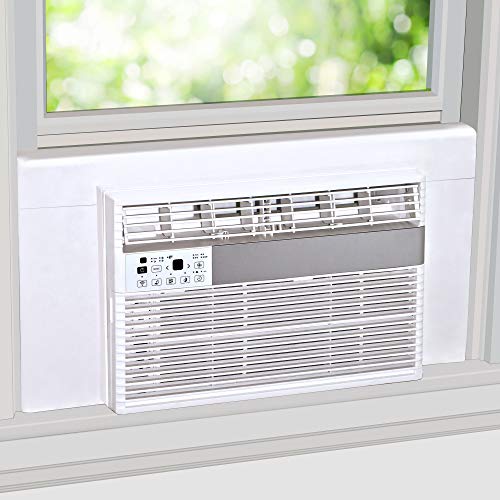
Window air conditioners remain one of the most straightforward ways to cool a single room. They are self-contained units that sit in a window opening, drawing air from outside and distributing cooled air indoors. Unlike central systems or ductless mini-splits, a window air conditioner requires no ductwork, no refrigerant lines, and no major structural modification.
For renters, homeowners with older properties, or anyone needing targeted cooling in a bedroom, home office, or studio, a window unit delivers immediate results with minimal setup. Modern models also include inverter compressors, remote thermostats, and energy-saving modes that rival larger systems in efficiency.
Advantages
- Simple installation in most double-hung windows
- No ductwork or major renovation required
- Targeted cooling for a single room
- Wide range of capacities and features
- Easy to remove and store seasonally
Considerations
- Blocks part of the window view
- Requires secure mounting and support
- Not suitable for all window types
- Cooling limited to one room
- Heavier units need two-person handling
Sizing Your Window AC Before You Buy
Choosing the correct capacity is the single most important decision in the sales process. An undersized unit runs constantly without reaching the set temperature, while an oversized unit cools too quickly, cycles on and off, and leaves the room feeling clammy. Use the table below as a starting reference based on room area.
| Room Area | Recommended Capacity | Typical Use Case | Tier Guidance |
|---|---|---|---|
| Up to 150 sq ft | 5,000 – 6,000 BTU | Small bedroom, studio, office | Entry-level to mid-range |
| 150 – 250 sq ft | 8,000 – 10,000 BTU | Medium bedroom, living area | Mid-range |
| 250 – 400 sq ft | 12,000 – 14,000 BTU | Large bedroom, open living room | Mid-range to premium |
| 400 – 550 sq ft | 15,000 – 18,000 BTU | Large living room, open-plan space | Premium |
Several factors push the required capacity upward: direct sunlight, kitchen heat, multiple occupants, and poor insulation. For a sunny room or a space above a garage, choose the next capacity tier up. Conversely, a shaded north-facing bedroom may perform well with the lower end of its range.
If your room is unusually shaped or you want a more precise calculation, review our guide on window air conditioners for small rooms or the broader AC sizing methodology.
Where Window AC Sales Are Available
Window air conditioner sales take place across several channels, each with different advantages in terms of selection, service, and after-sales support.
1. Home Improvement Retailers
Large home improvement stores carry a rotating selection of window units, often with seasonal promotions in late spring and early summer. These retailers typically offer in-store pickup, delivery, and add-on installation services through their contractor networks. This is a convenient path for buyers who want to see the unit in person before purchasing.
2. Appliance and Electronics Retailers
Appliance-focused retailers and electronics chains stock window ACs alongside other home comfort products. They frequently bundle delivery and installation, and their staff can explain feature differences between entry-level and premium models. Availability tends to peak during summer months.
3. Online Marketplaces
Online sales offer the widest selection and the ability to compare specifications side by side. Many buyers research online and then choose between home delivery or local pickup. When buying online, confirm the return window, warranty terms, and whether the seller offers installation partnerships in your area.
4. Local HVAC and Appliance Dealers
Local dealers often provide personalized service, including on-site assessment of your window type and electrical setup. They may also offer installation as part of the purchase, which simplifies the process for buyers who prefer a single point of contact. For a broader view of who provides these services, see who sells and installs window air conditioners.
Wherever you buy, verify the unit's ENERGY STAR status, warranty length, and whether the seller is an authorized dealer for the brand. This protects your warranty coverage and ensures access to service support.
Professional Window AC Installation: What to Expect
Professional installation is the safest route for larger units, second-story windows, and non-standard window types. A qualified installer will assess the window frame, confirm electrical capacity, mount the unit securely, seal gaps, and test operation before leaving.
What a Professional Installation Typically Includes
- Site assessment: Checking window type, frame condition, and nearby electrical outlets.
- Support and mounting: Installing a bracket or support system rated for the unit's weight.
- Sealing: Filling gaps with foam, weatherstripping, or window kits to prevent air leakage.
- Electrical verification: Confirming the circuit can handle the unit's amperage and that a dedicated outlet is available if needed.
- Testing: Running the unit through a cooling cycle and checking for vibration, leaks, or drainage issues.
- Cleanup and haul-away: Many services remove packaging and, in some cases, the old unit.
When Professional Installation Is Strongly Recommended
- Units above 12,000 BTU, which are heavy and awkward to lift alone.
- Second-floor or higher windows where a drop poses a safety risk.
- Casement, crank-out, or sliding windows that require custom brackets or kits.
- Older homes where the electrical circuit may need verification.
- Any situation where the window frame is damaged or non-standard.
If your window opens sideways, for example, standard installation methods do not apply. Review the options in our guide to window AC in casement windows or the dedicated article on window air conditioners for side-opening windows.
DIY Window AC Installation: Step by Step
Many single-room units under 12,000 BTU are designed for homeowner installation. If you are comfortable with basic tools and can safely lift the unit, DIY installation is achievable. Follow these steps carefully.
Choose the Right Window
Select a double-hung window that opens vertically and is wide enough for the unit's chassis. Avoid windows near heat sources.
Measure and Prepare
Measure the window opening and compare with the unit's minimum and maximum window width. Clean the sill and check the frame for damage.
Install Support Bracket
Attach a support bracket or window AC bracket to the exterior sill or frame, following the manufacturer's instructions.
Set the Unit in Place
With a helper, lift the unit onto the bracket and slide it into the window opening. Ensure a slight outward tilt for drainage.
Seal the Gaps
Close the window sash against the unit and fill remaining gaps with foam insulation or a window installation kit.
Secure and Test
Lock the window, install any included security brackets, plug the unit into a dedicated outlet, and run a test cooling cycle.
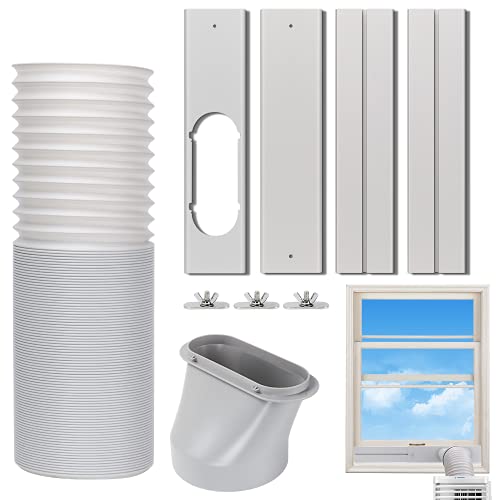
For window types that require extra hardware, refer to our guides on window AC installation kits and window air conditioner supports. If you are working with a sliding window, the sliding window installation guide covers the specific steps.
Window AC Market Tiers: How to Match Features to Your Needs
Window air conditioners fall into distinct market tiers. Understanding these tiers helps you set expectations for build quality, features, and long-term reliability — without relying on numeric figures.
| Tier | Typical Characteristics | Best For |
|---|---|---|
| Entry-level | Mechanical controls, single fan speed, basic filter, smaller capacities | Occasional cooling, renters, guest rooms |
| Mid-range | Digital controls, remote, multiple fan speeds, energy-saving mode, better insulation | Daily use in bedrooms and living spaces |
| Premium | Inverter compressor, Wi-Fi or smart controls, remote thermostat, quieter operation, advanced filtration | Primary living spaces, users wanting efficiency and convenience |
| High-end tier | Heat pump function, dual inverter, enhanced dehumidification, premium materials, extended warranty | Year-round comfort, homes without central heating, demanding climates |
Mid-range models typically offer the most balanced feature set for daily use, while premium and high-end tiers make sense when efficiency, quietness, and smart integration matter. For energy-conscious buyers, models with inverter technology deliver smoother temperature control and lower long-term energy use.
Key Features to Evaluate Before Purchase
Cooling Capacity and BTU
Match BTU to room size as outlined in the sizing table. Do not oversize in the hope of faster cooling — oversized units short-cycle and dehumidify poorly.
Energy Efficiency
Look for the CEER (Combined Energy Efficiency Ratio) rating on the yellow label. Higher numbers indicate greater efficiency. ENERGY STAR models meet stricter efficiency thresholds and are worth considering for units that will run daily.
Controls and Convenience
Digital controls with a remote are standard on mid-range units. Premium models may include built-in thermostats, remote thermostat functionality, or Wi-Fi control for scheduling and remote operation.
Noise Level
Window units produce more noise than ductless systems. Premium and high-end models use improved fan designs and insulation to reduce sound. If the unit will be in a bedroom, prioritize models marketed as quiet.
Heat Function
Some units combine cooling with a heat pump or electric heater, making them useful in shoulder seasons. See window air conditioners with heat for models that serve dual purposes.
Drainage and Installation Accessories
Most units drain condensate to the exterior, but some designs reduce dripping. If dripping is a concern, look at units designed to minimize drip. Support brackets and kits are covered in our no-drill bracket guide.
Maintaining Your Window AC After Installation
Proper maintenance extends the life of your unit and keeps energy use in check. A simple seasonal routine is enough for most households.
- Clean or replace the filter every 2–4 weeks during heavy use. A clogged filter reduces airflow and strains the compressor.
- Inspect the exterior coils at the start of each cooling season and brush away debris.
- Check the seal around the window for gaps that let hot air in. Reapply weatherstripping as needed.
- Listen for unusual sounds such as rattling or grinding, which may indicate loose mounting or fan issues.
- Remove and store the unit during cold months if it is not designed for year-round exposure.
If your unit stops cooling but the fan still runs, our troubleshooting guide on window AC not cooling but fan running walks through the likely causes. For water issues, see window air conditioner leaking water inside the house.
Frequently Asked Questions
Can I install a window air conditioner myself?
Yes, many units under 12,000 BTU are designed for DIY installation. However, larger units are heavy and may require two people or a professional. Proper support brackets, correct window fit, and secure sealing are essential to prevent safety hazards and energy loss. If you are unsure about the window type or electrical setup, hiring a professional is the safer choice.
What size window AC do I need for my room?
Use 20 BTU per square foot as a starting point. A 150 sq ft room needs about 5,000–6,000 BTU, a 250 sq ft room needs 8,000–10,000 BTU, and a 400 sq ft room needs 12,000–14,000 BTU. Adjust upward for sunny rooms, kitchens, or rooms with multiple occupants. For precise guidance, see our small room sizing guide.
Does professional installation include removal of the old unit?
Many professional services include removal and disposal of your old window unit as part of the installation package. Policies vary by provider and region, so confirm this detail before booking. Some installers also offer haul-away of packaging and old brackets.
Can I use a window AC in a sliding or casement window?
Standard window units are designed for double-hung windows. Sliding and casement windows require specific kits or brackets. Review our guides on sliding windows and casement windows before purchasing, and confirm the unit's window-type compatibility.
How do I reduce noise from my window AC?
Ensure the unit is level and securely mounted, as vibration amplifies noise. Check that the filter is clean and that no debris is caught in the fan. Premium models with inverter compressors and improved insulation run noticeably quieter than entry-level units. If noise persists, the mounting bracket or window frame may need additional padding.
Where can I find window AC installation services near me?
Home improvement retailers, appliance dealers, and local HVAC contractors commonly offer installation. When comparing services, confirm licensing, insurance, workmanship guarantees, and whether the service includes bracket mounting and sealing. Our article on who sells and installs window air conditioners provides more context on the options available.
Further Reading
To deepen your research before finalizing a purchase, explore these related guides:
- Window Air Conditioner: Complete Guide
- Window Unit Selection and Care
- Window-Mounted Air Conditioning Unit Overview
- Window AC for Bedrooms
- Window AC with Remote Control
- Window AC for Vertical Sliding Windows
- Window AC Not Cooling Properly: Troubleshooting
- Window Unit Repair Guidance
- Window AC Without a Standard Window
- Floor-Standing Window AC Alternatives