Central Air Heating and Cooling Units: The Complete Guide
Understand how a combined central air and heating system works, how to size it correctly, which efficiency ratings matter, and how to choose the right unit for your home before you buy.
Start LearningWhy this guide matters: A central air heating and cooling unit is one of the largest equipment decisions a homeowner makes. Choosing the wrong size, efficiency tier, or configuration can affect comfort, indoor air quality, and long-term energy use for 15 to 20 years. This guide helps you research with confidence before you purchase.
What Are Central Air Heating and Cooling Units?
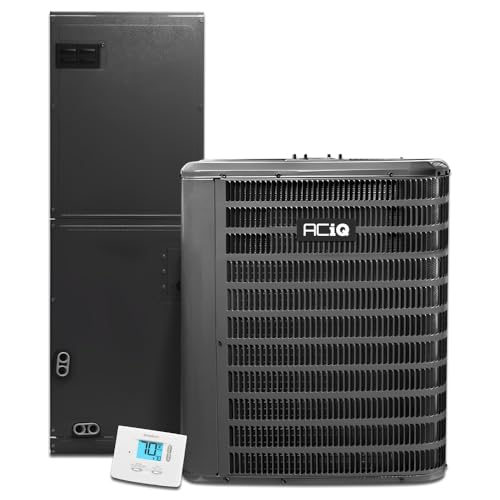
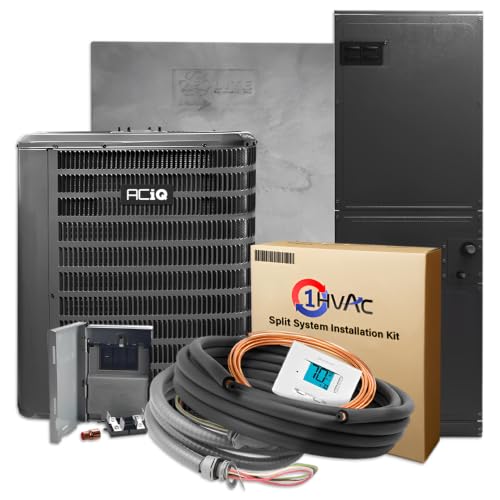
Central air heating and cooling units are integrated HVAC systems that share ductwork to deliver both cooled and heated air throughout a home. Instead of installing separate equipment for summer and winter, a combined system pairs an outdoor condenser (or heat pump) with an indoor air handler, furnace, or coil to condition air in every room connected to the ducts.
These systems are commonly described as a central air conditioning and heating system or a central air and heat unit depending on the home type and configuration. The core idea is the same: one duct network, one thermostat, and one coordinated set of components delivering year-round comfort.
Most modern installations fall into one of three configurations:
- Split system with furnace and coil: An outdoor condenser pairs with an indoor evaporator coil mounted above or beside a gas furnace. This is the most common setup in colder climates and is often described as a central air conditioner with furnace.
- Heat pump system: A single outdoor unit reverses refrigerant flow to provide both cooling and heating. This is the configuration behind a central air conditioning unit with heat pump.
- Dual-fuel system: A heat pump handles mild weather while a gas furnace takes over during extreme cold, combining efficiency with reliability.
If you are still comparing broad system categories, the overview on central air conditioning and the breakdown of central air conditioner and heating units provide useful context before narrowing down a specific configuration.
How Central Air Heating and Cooling Units Work
Understanding the refrigeration cycle helps you evaluate what you are buying and why maintenance matters. A central system moves heat rather than generating cold air. In cooling mode, the indoor coil absorbs heat from your home's air and transfers it outdoors through refrigerant. In heating mode, a heat pump reverses that process, or a furnace generates heat directly and distributes it through the same ducts.
Core Components
Outdoor Condenser Unit
Houses the compressor and condenser coil. Releases absorbed heat outdoors during cooling and, in heat pumps, extracts heat from outdoor air during heating.
Indoor Air Handler or Furnace
Contains the blower that pushes conditioned air through the ductwork. In furnace setups, it also generates heat for the heating season.
Evaporator Coil
Mounted indoors, this coil absorbs heat and moisture from return air, cooling and dehumidifying it before it is redistributed.
Ductwork
Delivers supply air to rooms and returns air to the system. Duct design and sealing strongly influence efficiency and comfort.
Thermostat
Controls setpoints and schedules. Programmable and smart thermostats can reduce runtime during unoccupied hours. See central air conditioner thermostat guidance.
Refrigerant Lines
Connect indoor and outdoor units. Proper line sizing, insulation, and charge are essential for reliable performance.
The refrigerant cycle itself involves four stages: compression, condensation, expansion, and evaporation. Any restriction in airflow, refrigerant charge imbalance, or dirty coil reduces the system's ability to move heat and raises energy use. That is why filter changes and annual service are not optional extras — they are part of the operating design.
For a deeper technical walkthrough, the explanation of how a central air conditioning split system is assembled helps clarify how the indoor and outdoor halves work together.
Comparing Central Heating and Cooling Configurations
Buyers often compare three main configurations. The right choice depends on climate, existing ductwork, fuel availability, and how much heating capacity you need during the coldest weeks of the year.
| Configuration | Best For | Heating Performance | Considerations |
|---|---|---|---|
| Split system with gas furnace | Cold climates and homes with existing gas service | Strong output regardless of outdoor temperature | Requires gas infrastructure and venting; efficient in long cold seasons |
| Heat pump system | Moderate climates and homes without gas service | Efficient in mild to cool weather; capacity declines in deep cold | One outdoor unit handles both seasons; excellent for mild-winter regions |
| Dual-fuel system | Mixed climates with occasional extreme cold | Heat pump for mild days, furnace for cold snaps | Highest flexibility; more components to maintain |
For homes that cannot accommodate ductwork, ductless alternatives exist, but a full central system typically offers the most consistent whole-home comfort when ducts are already present. If your home lacks ducts, review central air conditioning ductless systems before committing to a major retrofit.
How to Size a Central Air Heating and Cooling Unit
Correct sizing is the single most important decision after choosing the system type. An oversized unit cools quickly but cycles on and off frequently, which raises humidity and increases wear. An undersized unit runs continuously and struggles on the hottest days. Both outcomes reduce comfort and efficiency.
The professional standard is a Manual J load calculation, which accounts for square footage, ceiling height, insulation values, window area and orientation, air infiltration, duct losses, climate zone, and occupant count. Contractors then select equipment using Manual S and Manual D for airflow and duct design.
Rough Starting Points by Home Size
The following ranges are starting points only and must be verified with a proper load calculation:
- Central AC unit for 1,000 sq ft house — typically 1.5 to 2 tons
- Central AC unit for 1,500 sq ft home — typically 2 to 2.5 tons
- Central AC unit for 1,800 sq ft house — typically 2.5 to 3 tons
- Central AC unit for 2,500 sq ft home — typically 3.5 to 4 tons
Climate matters as much as size. A well-insulated home in a mild region may need less capacity than a similar-sized home with older windows in a hot, humid climate. For homes with unusual layouts, review central air conditioning installation in older homes to understand retrofit constraints.
Important: Avoid selecting equipment solely by square footage. A short cycling oversized system can leave a home feeling clammy even when the thermostat reads the target temperature, because runtime is too short to remove humidity.
Efficiency Ratings That Matter
Central air heating and cooling units carry separate efficiency ratings for cooling and heating. Understanding them helps you compare tiers without relying on marketing claims.
Cooling Efficiency: SEER2 and EER2
SEER2 (Seasonal Energy Efficiency Ratio 2) measures seasonal cooling efficiency under updated DOE test procedures. EER2 measures efficiency at a specific high-temperature condition and better reflects performance during peak heat. Minimum standards vary by region, but modern equipment generally starts around SEER2 14.3 to 15.
- Entry-level tier: Meets current minimum standards, suitable for mild climates and budget-conscious replacements.
- Mid-range tier: Typically SEER2 15 to 16, offering a balance of initial investment and long-term energy savings.
- High-end tier: SEER2 above 18, often variable-speed systems with superior humidity control and quieter operation.
Heating Efficiency: HSPF2 and AFUE
For heat pumps, HSPF2 (Heating Seasonal Performance Factor 2) measures heating efficiency, with higher values indicating better performance. For gas furnaces, AFUE (Annual Fuel Utilization Efficiency) expresses the percentage of fuel converted into usable heat. High-efficiency furnaces typically exceed 90% AFUE, while standard models sit in the 80% range.
Efficiency upgrades often justify themselves over the life of the equipment through reduced energy use, especially in climates with long cooling or heating seasons. The relationship between upfront tier and long-term operating efficiency is worth modeling carefully.
Installation: What to Expect and What to Verify
Installation quality determines whether the equipment performs to its rated efficiency. Even a high-end tier system underperforms if the refrigerant charge is incorrect, airflow is restricted, or ductwork leaks.
Pre-Installation Checks
- Confirm electrical panel capacity for the new outdoor unit and air handler.
- Verify duct condition and insulation; leaking ducts waste conditioned air.
- Confirm clearances for the outdoor condenser and service access indoors.
- Obtain required permits; most jurisdictions require them for HVAC replacement.
- Request a written load calculation, not a square-footage estimate alone.
During Installation
A qualified installer should evacuate the refrigerant lines, verify charge by weight or subcooling/superheat, seal duct connections, and commission the system with measured airflow. Ask for documentation of static pressure and temperature split. The guide to central air conditioning system installation covers the sequence in more detail, and the overview of central air set up helps you understand what a complete commissioning looks like.
After Installation
Register the warranty, schedule the first seasonal service, and confirm thermostat programming. If the system does not cool as expected in the first week, document the issue and request a return visit before the installer closes out the job. Persistent problems are easier to resolve when reported early. For sudden issues after a new install, the troubleshooting guide on central air conditioner stopped working suddenly can help you identify whether the issue is simple or requires a service call.
Maintenance for Long-Term Reliability
Routine maintenance protects the equipment and preserves efficiency. A central air heating and cooling unit that receives consistent service typically lasts longer and experiences fewer mid-season breakdowns.
Homeowner Tasks
- Replace or clean air filters every 1 to 3 months, more often with pets or high dust.
- Keep the outdoor condenser clear of leaves, grass clippings, and debris.
- Verify that supply and return vents are unobstructed by furniture or rugs.
- Check the condensate drain line for clogs, especially before cooling season.
- Program the thermostat with reasonable setbacks rather than extreme swings.
Professional Service
Schedule service twice per year: spring for cooling and fall for heating. A technician should clean coils, check refrigerant charge, inspect electrical connections, test capacitors and contactors, measure airflow, and verify combustion safety on furnace-equipped systems. The central air conditioning system maintenance guide outlines a complete checklist.
If your system is losing performance, the overview of central air conditioning repair explains common failure points and when repair is preferable to replacement.
Common Problems and What They Usually Mean
Many cooling complaints trace back to a small number of causes. Before calling for service, check the filter, thermostat batteries, breaker, and outdoor disconnect. If the issue persists, the following guides can help you describe the problem accurately to a technician.
- Central air conditioner running but not cooling — often refrigerant, capacitor, or airflow related.
- Central air not cooling properly — check for duct leaks, dirty coils, or an undersized system.
- Central air conditioner leaking water inside house — usually a clogged condensate drain or frozen coil.
- Central air conditioner not blowing any air inside the house — blower motor, capacitor, or control board issue.
- Central air not cooling to set temperature — could be a charge issue, thermostat calibration, or load mismatch.
- Central air running but not cooling house — a symptom-level guide to narrow down the cause.
If the system is running but airflow feels weak, the explanation of central air fan running but no air blowing covers the most likely mechanical causes.
Repair or Replace? Making the Right Call
When a central air heating and cooling unit fails, the repair-versus-replace decision depends on age, efficiency tier, refrigerant type, and the cost of the repair relative to the remaining life of the equipment. Systems nearing the end of their service life with a major component failure are usually better candidates for replacement. Mid-life systems with a single failed component are often worth repairing.
If replacement is the right path, the guide on central air conditioner replacement walks through the decision sequence, and the overview of central air conditioning units for condominium applications addresses the constraints unique to multifamily buildings.
Choosing the Right Installer
Installation quality matters as much as equipment tier. Look for licensed and insured contractors with verifiable references, a written scope of work, and a load calculation included in the proposal. Avoid quotes based only on square footage or equipment model replacement without a system evaluation.
If you are gathering quotes, the guidance on central air installers in my area explains what to verify before signing. A properly sized and commissioned system from a mid-range tier will outperform a high-end tier system installed poorly.
Frequently Asked Questions
How long does a central air heating and cooling unit last?
A well-maintained unit typically lasts 15 to 20 years. The outdoor condenser and indoor air handler often last around 15 years, while a furnace component can reach 20 years or more with regular service. Maintenance history and installation quality strongly influence lifespan.
What size central air heating and cooling unit do I need?
Sizing depends on square footage, ceiling height, insulation, window area, climate, and occupancy. A Manual J load calculation is the recommended method. As a rough starting point, homes around 1,000 to 1,200 square feet often use a 1.5 to 2 ton system, while 2,000 to 2,500 square foot homes commonly use a 3 to 4 ton system.
What SEER rating should I look for?
Modern minimum standards require SEER2 ratings around 14.3 to 15 depending on region. Mid-range systems typically reach SEER2 15 to 16, while high-end tier systems exceed SEER2 18. Higher SEER2 ratings generally reduce energy use over the long run, especially in climates with long cooling seasons.
Can a central air heating and cooling unit use a heat pump instead of a furnace?
Yes. A central air conditioning unit with heat pump provides both cooling and heating from a single outdoor unit. Heat pumps are highly efficient in moderate climates. In colder regions, a dual-fuel setup combining a heat pump with a gas furnace offers reliable heating during extreme cold.
How often should central air heating and cooling units be serviced?
Professional maintenance is recommended twice per year: once in spring before cooling season and once in fall before heating season. Homeowners should replace or clean air filters every 1 to 3 months and keep the outdoor condenser clear of debris.
Why is my central air heating and cooling unit running but not cooling?
Common causes include a clogged air filter, low refrigerant charge, a failing capacitor, blocked condenser coils, thermostat misconfiguration, or a frozen evaporator coil. Check the filter and thermostat first, then call a licensed HVAC technician for diagnosis.
Before You Buy: Final Checklist
- Confirm the system type (furnace, heat pump, or dual-fuel) matches your climate and existing infrastructure.
- Request a Manual J load calculation in writing.
- Compare SEER2 and HSPF2/AFUE against regional minimums.
- Verify the contractor's license, insurance, and warranty terms.
- Inspect ductwork for leaks and insulation before installation.
- Confirm permit requirements with your local jurisdiction.
- Ask for commissioning documentation, including measured airflow and refrigerant charge verification.
- Schedule the first seasonal maintenance visit before the peak season begins.
With the right configuration, correct sizing, and a qualified installation, a central air heating and cooling unit delivers consistent comfort across seasons and holds its efficiency for years. Use this guide as a research foundation, then compare the recommended options below to move from research to a confident purchase decision.