Eco Heating and Cooling: The Complete Guide to Sustainable Home Comfort
As energy awareness grows and environmental concerns intensify, homeowners are increasingly turning to eco heating and cooling solutions that reduce carbon footprints without sacrificing comfort. This comprehensive guide explores sustainable HVAC technologies, helping you understand the options available before making an informed decision for your home.
What Makes Heating and Cooling Eco-Friendly?
Eco heating and cooling refers to systems and practices that minimize environmental impact while delivering reliable indoor comfort. True eco-friendliness in HVAC involves several interconnected factors: energy efficiency, refrigerant choice, system longevity, and the overall lifecycle carbon footprint. A system that consumes less electricity, uses environmentally responsible refrigerants, and operates efficiently across its lifespan qualifies as eco-friendly.
The concept extends beyond the equipment itself. Proper sizing, professional installation, regular maintenance, and smart usage patterns all contribute to a system's environmental performance. An oversized or poorly installed unit—even one with excellent specifications—will waste energy and undermine its eco credentials. Understanding energy efficiency of an air conditioner is fundamental to making sustainable choices.
Modern eco heating and cooling solutions increasingly blur the line between heating and cooling functions. Heat pump technology, for instance, provides both heating and cooling from a single system, eliminating the need for separate furnace and air conditioner units. This dual functionality reduces manufacturing resources, installation materials, and overall energy consumption.
For homeowners researching sustainable options, it's worth exploring how energy-efficient heating and cooling systems for homes have evolved. Today's eco systems leverage advanced compressors, smart thermostats, and improved insulation compatibility to achieve remarkable efficiency levels that were unattainable just a decade ago.
Core Eco-Friendly HVAC Technologies
Several distinct technologies form the foundation of eco heating and cooling. Each offers unique advantages and considerations depending on climate, home structure, and budget tier—without getting into specific figures, these systems range from entry-level efficiency to premium performance tiers.
Air-Source Heat Pumps
Air-source heat pumps transfer heat between indoor and outdoor air rather than generating heat through combustion. In cooling mode, they function like conventional air conditioners. In heating mode, they reverse the refrigeration cycle to extract heat from outdoor air—even in cold temperatures—and move it indoors. Modern cold-climate heat pumps operate efficiently in temperatures well below freezing, making them viable in most climate zones.
Geothermal (Ground-Source) Heat Pumps
Geothermal systems leverage the stable temperature of the earth to heat and cool homes with exceptional efficiency. Because underground temperatures remain relatively constant year-round, geothermal heat pumps operate at high efficiency regardless of outdoor weather conditions. These systems require ground loops—either horizontal trenches or vertical boreholes—which represent a significant infrastructure investment but deliver outstanding long-term performance. Explore ground-source heating and cooling systems for a deeper technical overview.
Ductless Mini-Split Systems
Ductless mini-splits eliminate ductwork losses, which can account for substantial energy waste in traditional systems. These systems consist of an outdoor compressor unit connected to one or more indoor air handlers. Each indoor unit can be controlled independently, allowing zone-specific comfort and reducing energy use in unoccupied rooms. The ductless heat air conditioner category has expanded significantly, with models ranging from essential tier to high-end tier performance.
Evaporative Coolers (Swamp Coolers)
In dry climates, evaporative coolers offer an energy-efficient alternative to refrigerant-based air conditioning. These systems cool air through water evaporation, consuming significantly less electricity than compressor-based systems. While they require a steady water supply and work best in low-humidity environments, they represent a genuinely eco-friendly cooling approach. For DIY enthusiasts, DIY evaporative air cooler projects can be rewarding and educational.
Radiant Floor Heating
Hydronic radiant floor systems distribute heat evenly through tubing installed beneath flooring. When paired with a high-efficiency boiler or heat pump, radiant heating delivers comfortable warmth at lower operating temperatures than forced-air systems. This technology integrates well with renewable energy sources like solar thermal systems.
Heat Pumps: The Backbone of Eco Comfort
Heat pumps have emerged as the central technology in eco heating and cooling. Their ability to move heat rather than generate it makes them fundamentally more efficient than combustion-based systems. For every unit of electricity consumed, a modern heat pump can deliver multiple units of heating or cooling—a concept measured by coefficients of performance and seasonal efficiency ratings.
The electric split system heat pump configuration is among the most popular choices for residential retrofits and new construction. It combines an outdoor condenser/compressor unit with an indoor air handler, distributing conditioned air through existing ductwork or ductless indoor units. For homes without ducts, multi-zone mini-split heat pumps offer a flexible, efficient solution.
Heat Pump Water Heaters
While not strictly a heating and cooling system for living spaces, heat pump water heaters represent an important eco-friendly technology. These units extract ambient heat from surrounding air to warm water, operating at significantly higher efficiency than conventional electric resistance water heaters. They also provide a dehumidifying effect, which can benefit damp climates.
Cold-Climate Performance
Historically, heat pump performance declined in freezing temperatures. Modern cold-climate models, however, incorporate vapor injection, variable-speed compressors, and intelligent defrost cycles to maintain capacity in low temperatures. If you're exploring HVAC heat pumps, look for models rated for cold-climate operation if you live in a region with harsh winters.
Hybrid and Dual-Fuel Systems
For extreme climates, hybrid systems pair a heat pump with a backup furnace. The system intelligently switches to the most efficient energy source based on outdoor temperature, ensuring comfort during cold snaps while maximizing efficiency during milder conditions. This approach, sometimes called dual-fuel, combines sustainability with reliability.
Geothermal Systems for Maximum Efficiency
Among all eco heating and cooling technologies, geothermal systems achieve the highest efficiency ratings. By tapping into the earth's stable subterranean temperatures, geothermal heat pumps operate with less strain on their compressors, leading to longer equipment lifespans and lower energy consumption.
The two primary ground loop configurations are horizontal and vertical. Horizontal loops require significant land area and are typically installed during new construction or major landscaping projects. Vertical loops—created by drilling deep boreholes—suit properties with limited land area. Both approaches represent a substantial infrastructure investment, but the operational savings and environmental benefits accrue over decades.
Geothermal systems pair exceptionally well with radiant floor heating, delivering gentle, even warmth without the air circulation associated with forced-air systems. For cooling, the same ground loops dissipate heat from the home, providing efficient summer comfort. This dual-season functionality makes geothermal a true year-round eco solution.
Homeowners considering geothermal should evaluate their property's geology, available land, and long-term plans. While the upfront infrastructure is significant, geothermal systems often qualify for federal and local incentives that improve their economic profile. The technology also aligns with broader heating and cooling systems strategies that prioritize sustainability.
Inverter Technology and Variable-Speed Compressors
Inverter technology has revolutionized eco heating and cooling by allowing compressors to operate at variable speeds rather than cycling on and off at full power. This modulation capability delivers precise temperature control, reduces energy consumption, and extends equipment lifespan.
Traditional single-speed compressors run at maximum capacity until the thermostat is satisfied, then shut off entirely. This on-off cycling wastes energy during startup and creates temperature fluctuations. Variable-speed inverter compressors adjust output to match demand, running at lower speeds for longer periods. The result is steadier comfort, quieter operation, and reduced energy use. Explore the advantages of energy-efficient inverter air conditioner technology for a detailed comparison.
Inverter systems are particularly valuable in eco heating and cooling because they excel at part-load operation—the conditions under which HVAC systems spend most of their time. By optimizing performance at partial capacities, inverter systems achieve higher seasonal efficiency ratings than their fixed-speed counterparts.
When evaluating inverter systems, look for models with wide modulation ranges—the ability to throttle down to a small fraction of maximum output. A wider range indicates more sophisticated control and better efficiency at low loads. This technology has become standard across mid-range and premium tiers of modern eco HVAC equipment.
Refrigerants and Environmental Impact
Refrigerants are the working fluids that enable heat transfer in air conditioning and heat pump systems. Their environmental impact is measured by two metrics: ozone depletion potential (ODP) and global warming potential (GWP). Understanding refrigerants is essential for evaluating the true eco-friendliness of heating and cooling equipment.
The Transition Away from High-GWP Refrigerants
Historically, HVAC systems used refrigerants like R-22 (HCFC-22) with high ozone depletion potential. These were phased out under the Montreal Protocol and replaced by hydrofluorocarbons (HFCs) like R-410A. While R-410A has zero ODP, it carries a high GWP—thousands of times that of carbon dioxide.
Under the AIM Act and international agreements like the Kigali Amendment, the HVAC industry is transitioning to lower-GWP refrigerants. R-32 and R-454B are emerging as alternatives, offering significantly lower GWP values while maintaining performance. New equipment entering the market increasingly uses these next-generation refrigerants. Understanding EPA refrigerant regulations helps homeowners anticipate future requirements and make forward-looking purchases.
Natural Refrigerants
Some systems use natural refrigerants like carbon dioxide (R-744), propane (R-290), or ammonia (R-717). These substances have minimal environmental impact if released but present handling considerations. Propane-based systems, for instance, require careful design due to flammability, but their excellent thermodynamic properties and negligible GWP make them attractive for certain applications.
For homeowners concerned about refrigerant leakage and environmental impact, regular maintenance and prompt repair of leaks are essential. Learning about fixing freon leak central air conditioner issues can prevent refrigerant loss and maintain system efficiency.
Understanding Efficiency Ratings
Efficiency ratings provide standardized metrics for comparing eco heating and cooling equipment. Interpreting these ratings correctly is crucial for selecting a system that meets your sustainability goals.
SEER and SEER2
The Seasonal Energy Efficiency Ratio (SEER) measures cooling efficiency over an entire cooling season. Higher SEER values indicate greater efficiency. The updated SEER2 metric, required under 2023 Department of Energy standards, uses a more rigorous testing methodology that better reflects real-world conditions. A system rated SEER 15 under the old standard might be equivalent to SEER2 14.3 or similar—the exact conversion varies by system type. When comparing equipment, ensure you're comparing like-for-like ratings.
HSPF and HSPF2
For heat pumps operating in heating mode, the Heating Seasonal Performance Factor (HSPF) measures efficiency. Like SEER, HSPF has been updated to HSPF2 under the same DOE rulemaking. Higher values indicate better heating efficiency.
EER and IEER
The Energy Efficiency Ratio (EER) measures efficiency at a single operating condition—typically peak load on a hot day. Integrated Energy Efficiency Ratio (IEER) accounts for part-load performance, providing a more complete picture of seasonal efficiency. For eco-conscious buyers, IEER often provides more relevant information than EER alone.
ENERGY STAR Certification
ENERGY STAR certified equipment meets efficiency thresholds set by the EPA, typically exceeding minimum federal standards. Certification covers various product categories including ENERGY STAR HVAC systems, ENERGY STAR air conditioner units, and ENERGY STAR mini split air conditioner models. Choosing certified equipment ensures verified performance and often qualifies for utility rebates.
For those specifically looking at portable and window options, ENERGY STAR window air conditioner and energy-efficient air conditioner portable selections offer verified efficiency in compact formats.
Comparing Eco Heating and Cooling Options
Selecting the right eco system requires balancing efficiency, installation requirements, climate suitability, and long-term value. The comparison below outlines key characteristics of major eco HVAC categories without referencing specific figures.
| System Type | Efficiency Tier | Best For | Installation Complexity | Climate Suitability |
|---|---|---|---|---|
| Air-Source Heat Pump | High-end tier | Year-round comfort in moderate to cold climates | Moderate—requires outdoor unit and indoor air handler | Broad; cold-climate models handle freezing conditions |
| Geothermal Heat Pump | Top-tier / Flagship | Maximum efficiency and long-term sustainability | High—requires ground loop excavation or drilling | Excellent in all climates; ground temperature stable |
| Ductless Mini-Split | Mid-range to Premium | Homes without ducts, zone-specific comfort | Moderate—no ductwork, but multiple indoor units | Good; cold-climate models available |
| Evaporative Cooler | Essential tier | Dry climates; low-humidity environments | Low to Moderate—water supply and venting required | Arid and semi-arid regions only |
| High-Efficiency Central AC | Mid-range to High-end | Whole-home cooling with existing ductwork | Moderate—ductwork inspection and possible sealing | Cooling-only; pairs with separate heating |
| Radiant Floor Heating | Premium tier | Even, quiet warmth; integrates with renewables | High—requires floor installation | Heating-dominant climates; pairs with cooling system |
When evaluating these options, consider your home's existing infrastructure. Homes with forced-air ductwork may find heat pumps or high-efficiency central systems most straightforward. Homes without ducts—common in older construction—may benefit from ductless mini-splits. For new construction or major renovations, geothermal and radiant systems become more practical.
How to Choose the Right Eco System
Selecting an eco heating and cooling system involves assessing your home, climate, and long-term goals. Rather than focusing on any single metric, consider the complete picture.
Home Assessment
Before selecting equipment, evaluate your home's thermal envelope. Insulation levels, window quality, and air sealing significantly impact HVAC performance. A well-insulated home may allow for a smaller, more efficient system—reducing energy consumption and environmental impact. Consider a professional energy audit to identify improvement opportunities.
Climate Considerations
Your local climate determines which technologies perform best. In mild climates, air-source heat pumps excel. In extremely cold regions, cold-climate heat pumps or hybrid systems provide reliable performance. In arid climates, evaporative cooling offers eco-friendly summer comfort. Understanding your climate zone and heating/cooling load profile is essential.
System Sizing
Proper sizing is critical for eco performance. An oversized system will short-cycle, wasting energy and degrading comfort. An undersized system will struggle to maintain conditions, running continuously and consuming excess energy. Professional load calculations—following Manual J or equivalent methodologies—ensure accurate sizing. Explore how to size an air conditioner for a detailed walkthrough.
Ductwork Considerations
For ducted systems, duct quality dramatically affects efficiency. Leaky, poorly insulated ducts can waste a significant portion of conditioned air. Sealing and insulating ducts—or choosing ductless systems—maximizes eco performance. Understanding heating and ductwork interactions helps avoid common pitfalls.
Maintenance and Lifespan
All HVAC systems require maintenance to sustain efficiency. Regular filter changes, coil cleaning, and professional inspections preserve performance. Systems that receive proper maintenance operate more efficiently, last longer, and deliver better environmental returns on their manufacturing footprint. Considering HVAC company for sale listings or service contracts is beyond the scope of equipment selection, but finding a reliable contractor is essential—use resources like find HVAC contractor near me to locate qualified professionals.
Installation and Long-Term Considerations
The environmental benefits of eco heating and cooling depend heavily on proper installation. Even the most efficient equipment underperforms if installed incorrectly. Selecting a qualified contractor is as important as choosing the right equipment.
Professional Installation
HVAC installation involves refrigerant handling, electrical connections, and system commissioning—tasks that require licensed professionals. Improper installation can lead to refrigerant leaks, reduced efficiency, premature equipment failure, and safety hazards. Verify contractor credentials, insurance, and references before committing. The guide on how to choose HVAC contractor provides a practical framework for this process.
Permits and Regulations
Most jurisdictions require permits for HVAC installations, ensuring work meets building codes and safety standards. Understanding do I need permit for AC requirements helps avoid complications. Permitted installations also support warranty coverage and may be required for utility rebate eligibility.
Smart Controls and Zoning
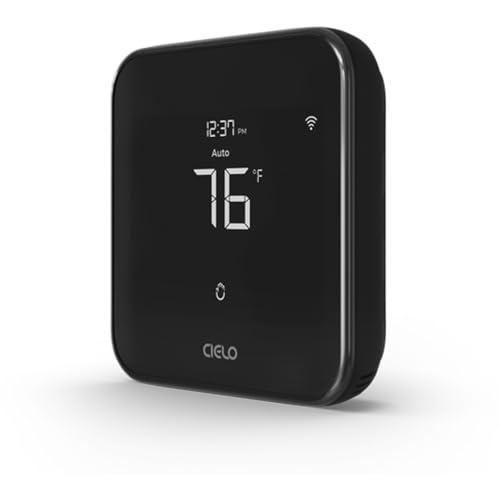
Smart thermostats and zoning systems enhance eco performance by optimizing operation based on occupancy and preferences. Programmable and learning thermostats reduce energy waste during unoccupied periods. Zoning systems allow independent temperature control in different areas, preventing over-conditioning. Explore digital air conditioner thermostat options for modern control capabilities.
Renewable Energy Integration
Eco heating and cooling systems pair naturally with renewable energy sources. Solar photovoltaic panels can offset electricity consumption, while solar thermal systems can supplement water heating. For homeowners pursuing deep sustainability, integrating HVAC with on-site renewables maximizes environmental benefits.
Long-Term Value
While eco systems may have higher upfront positions in the market, they deliver long-term value through reduced energy consumption, lower maintenance requirements, and extended equipment lifespans. Government incentives and utility rebates often improve the economic profile of high-efficiency equipment. The high-efficiency HVAC category encompasses the most advanced eco options available.
Eco-Friendly Equipment in the Market
The market for eco heating and cooling equipment has expanded dramatically, with manufacturers offering efficient options across multiple product categories. When evaluating equipment, consider the following product families that exemplify eco-friendly design principles.
High-Efficiency Heat Pumps
Modern heat pumps achieve impressive seasonal efficiency ratings while providing both heating and cooling. Premium tier models incorporate variable-speed compressors, smart defrost controls, and connectivity features. These systems represent the most versatile eco solution for most climates.
Ductless Mini-Split Systems
Ductless systems avoid duct losses and offer zone-specific control. The ENERGY STAR mini split air conditioner certification identifies models that meet rigorous efficiency criteria. For homes with challenging ductwork or additions, ductless systems often deliver better eco performance than ducted alternatives.
Window and Portable Units
For single-room cooling, high-efficiency window and portable units offer eco-friendly options. The energy-efficient air conditioner window unit category includes models with inverter compressors and improved insulation. The highest efficiency portable air conditioner options provide flexibility for temporary or supplemental cooling.
Central Systems
For whole-home comfort, high-efficiency central systems with variable-speed blowers and two-stage or modulating compressors deliver excellent efficiency. The highest efficiency central air conditioner models approach the practical limits of vapor-compression technology.
Geothermal Equipment
Geothermal heat pumps remain the most efficient heating and cooling technology available. While installation requires significant infrastructure, the equipment itself operates with exceptional efficiency and longevity. Premium and commercial-grade geothermal systems are available for large homes and multi-building applications.
Frequently Asked Questions
What is the most eco-friendly way to heat and cool a home?
Geothermal heat pumps are the most eco-friendly option in terms of operational efficiency, as they leverage stable ground temperatures to minimize energy consumption. However, air-source heat pumps with high SEER2 and HSPF2 ratings offer excellent sustainability with simpler installation. The best choice depends on your climate, property, and infrastructure.
Are heat pumps suitable for cold climates?
Modern cold-climate heat pumps operate efficiently in temperatures well below freezing. Features like vapor injection, variable-speed compressors, and intelligent defrost cycles maintain heating capacity in cold conditions. For extreme cold, hybrid systems that pair a heat pump with a backup furnace provide a reliable, efficient solution.
How do refrigerants affect the eco-friendliness of an HVAC system?
Refrigerants have global warming potential (GWP) if released into the atmosphere. The HVAC industry is transitioning from high-GWP refrigerants like R-410A to lower-GWP alternatives such as R-32 and R-454B. Choosing equipment with next-generation refrigerants and maintaining leak-free operation minimizes environmental impact. Understanding EPA refrigerant regulations helps homeowners make informed decisions.
What efficiency ratings should I look for in eco HVAC equipment?
Higher SEER2 and HSPF2 ratings indicate better efficiency. ENERGY STAR certification identifies equipment that exceeds minimum standards. For cooling, aim for SEER2 ratings above the federal minimum for your region. For heat pumps, higher HSPF2 indicates better heating efficiency. IEER provides additional insight into part-load performance.
Do eco heating and cooling systems require special maintenance?
Eco systems benefit from the same maintenance as conventional systems—regular filter changes, coil cleaning, and professional inspections. Inverter and variable-speed systems may have additional diagnostic capabilities that technicians can use to verify performance. Maintaining proper refrigerant charge is especially important for efficiency and environmental responsibility.
Can I retrofit an eco heating and cooling system into an older home?
Yes, many eco systems work well in older homes. Ductless mini-splits avoid the need for ductwork, making them ideal for retrofits. Air-source heat pumps can replace existing central air conditioners and furnaces. Geothermal and radiant systems are more invasive but feasible during major renovations. An energy audit can identify the most practical path forward.
What rebates and incentives are available for eco HVAC equipment?
Federal tax credits, state and local programs, and utility rebates often support high-efficiency HVAC installations. ENERGY STAR certified equipment typically qualifies for these programs. Consult local resources and your utility provider for current opportunities. The ENERGY STAR air conditioners on sale page may highlight qualifying products.
Moving Forward with Eco Heating and Cooling
Eco heating and cooling represents a meaningful pathway toward reducing home energy consumption and environmental impact. By understanding the technologies available, evaluating efficiency ratings correctly, and selecting the right system for your home and climate, you can achieve comfortable indoor conditions while minimizing your carbon footprint.
The transition to sustainable HVAC is not merely an environmental imperative—it's also a practical decision that reduces long-term operating expenses and improves home comfort. Modern heat pumps, geothermal systems, and high-efficiency air conditioners have reached performance levels that make sustainability compatible with reliability and comfort.
As you move from research to decision-making, focus on proper sizing, professional installation, and ongoing maintenance. These fundamentals determine whether your eco system delivers on its promise. Explore heating and cooling air conditioning units and energy-efficient AC resources to continue your research and identify equipment that aligns with your sustainability goals.