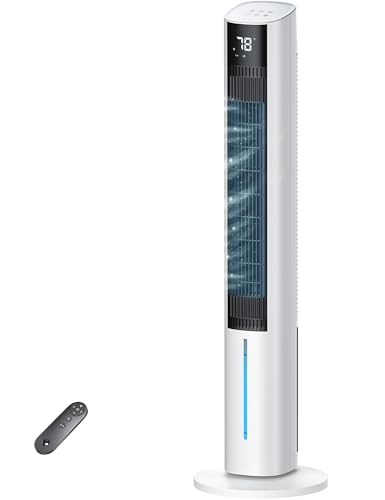
A small room size portable air conditioner is a floor-standing unit designed to cool a single compact space, typically under 250 square feet. Bedrooms, dorm rooms, studio apartments, and small home offices all fall into this category. Portable ACs are the most flexible option for these spaces because they require no permanent installation and can be moved between rooms. The trade-offs are noise, venting logistics, and the need to match capacity closely to the room's cooling load.
In This Guide
Sizing a Portable AC for a Small Room
Cooling capacity is measured in BTU per hour. For residential spaces, the general rule is roughly 20 BTU per square foot, with adjustments for sun exposure, ceiling height, insulation, and occupant count. For small rooms, the practical ranges look like this:
| Room Size | Recommended BTU | Typical Use |
|---|---|---|
| Up to 150 sq ft | 5,000 – 6,000 BTU | Bedroom, dorm room, small home office |
| 150 – 250 sq ft | 8,000 – 10,000 BTU | Studio apartment, larger bedroom, guest room |
| 250 – 400 sq ft | 12,000 – 14,000 BTU | Open-plan studio, converted attic, small living room |
For a room around 150 square feet, the guide on room size for a 5,000 BTU air conditioner explains the base calculation in detail. The overview of small air conditioners for small rooms compares typical configurations, and the small area air conditioner article frames the broader category.
Single-Hose vs Dual-Hose
The hose configuration affects how efficiently a portable AC cools a small room. A single-hose unit pulls room air in, cools it, and exhausts hot air through one hose. This creates a slight negative pressure, which can draw warm outside air in through gaps around doors and windows. A dual-hose unit uses one hose for intake and one for exhaust, which reduces this effect and improves efficiency.
In a small room, the difference between single-hose and dual-hose operation can be noticeable. A smallest dual hose portable air conditioner is often the better choice for a compact space that is in use most of the day. If you are looking for a compact, lightweight unit, the small lightweight portable air conditioner guide covers options that are easier to move between rooms.
Portable ACs Without a Hose
Some small units marketed as "portable ACs without hose" are actually evaporative coolers or personal cooling devices. The small portable air conditioner without hose article explains the difference. If you need genuine refrigerant-based cooling, a hose or vent path is unavoidable.
Venting Options
A portable AC must exhaust hot air somewhere. In a small room, the venting path often determines whether a portable unit is practical at all. The most common options are:
- Sliding door panel kit: A sealed panel inserts into a sliding glass door track. This is the cleanest solution for renters and apartments.
- Sliding window kit: A panel fits into a sliding window track and accepts the hose. Useful for bedrooms with sliding windows.
- Wall vent kit: A small hole is cut through an exterior wall and fitted with a weather-sealed vent. This is a permanent modification, best for owned spaces.
- Casement window adapter: Some kits are designed for casement windows, which do not accept standard window panels.
For a closer look at door-based venting, the guide on a sliding glass door air conditioner kit explains panel fit and sealing. If your room has a sliding window, the sliding window portable air conditioner kit and sliding window kit for portable air conditioner articles cover the options in detail.
Rooms Without a Usable Window
Some small rooms have windows that are sealed, blocked, or unsuitable for venting. The guide on a small AC unit that doesn't need a window covers alternative venting paths, and the small air conditioner that doesn't need a window article compares portable and mini-split options. The single room AC unit no window overview is also useful for this scenario.
Noise and Sleep Comfort
Noise is one of the most common concerns for a portable AC in a small bedroom. Compressor noise, fan noise, and refrigerant gurgling all contribute. The practical approach is to choose a unit with a low-fan or sleep mode and to place it away from the bed. The small air conditioners for bedrooms guide covers quiet operation and overnight placement in detail.
A small room amplifies sound, so a unit that is quiet in a large space may feel louder in a compact bedroom. Look for models with a decibel rating below 55 dB on low fan, and consider a small portable air conditioner for small room that is specifically designed for compact spaces.
Placement and Setup Tips
Placement has a large effect on comfort and efficiency in a small room. A few practical guidelines:
- Keep the vent hose short and straight: Long or kinked hoses reduce cooling performance noticeably.
- Do not block the intake or exhaust: Leave at least a foot of clearance around the unit.
- Seal the vent panel: Gaps around the hose or panel let warm air back in.
- Position away from direct sun: A unit sitting in a sunbeam works harder and cools less effectively.
- Close doors to adjacent rooms: Cooling an open floor plan with a single portable unit is inefficient.
If you also need heating in the same room, the small portable air conditioner with heater guide covers combination units. For a single-occupied space, the small portable air conditioner for one room overview explains how to size for one person. If you are cooling a small home office, the small portable air conditioner for office article covers noise and equipment heat load.
For camping or a pop-up camper, the smallest portable air conditioner for camping and small portable air conditioner for pop up camper guides cover compact options. The small energy efficient portable air conditioner overview covers models that use less energy in the long run.
Comparison Table
The table below compares portable AC tiers for small-room use and notes the trade-offs at each level.
| Tier | Category | Best For |
|---|---|---|
| Essential tier | Entry-level | Small bedrooms and dorm rooms with a simple vent path |
| Balanced tier | Mid-range | Rooms used all day, with quieter operation and dual-hose design |
| High-end tier | Premium | Primary bedrooms or guest rooms where comfort and low noise are priorities |
If you are considering a small window unit instead of a portable, the small room air conditioner window guide and the small window air conditioner 14 inches wide overview cover narrow-window options. The slim window air conditioning unit article explains low-profile designs, and the small window air conditioner for vertical window guide covers vertical slider windows.
For rooms where the window situation is unusual, the side to side window air conditioner and small air conditioner for side sliding window articles cover side-sliding configurations. The single room free standing air conditioner overview is useful if you are comparing portable and mini-split approaches for a single room.
Compare Small-Room Portable AC Options
Explore our recommended small-room portable air conditioners below and match your room size with the right capacity and hose type.
VIEW RECOMMENDATIONSFrequently Asked Questions
What size portable air conditioner do I need for a small room?
For a room up to 150 square feet, a 5,000 to 6,000 BTU portable air conditioner is typically sufficient. For rooms between 150 and 250 square feet, an 8,000 to 10,000 BTU unit is a better fit. Sun exposure, ceiling height, and occupant count can shift the requirement.
Can a portable air conditioner cool a small room effectively?
Yes. A properly sized portable AC can cool a small room effectively, especially a dual-hose model that avoids negative pressure. Placement, venting, and insulation all affect performance, and correct sizing is the most important factor.
Is a single-hose or dual-hose portable AC better for a small room?
Dual-hose units are generally better for a small room because they avoid the negative pressure effect that pulls warm outside air in through gaps. Single-hose units work but are less efficient. In a compact room, the difference in comfort can be noticeable.
How do I vent a portable AC in a small room without a window?
You can vent through a sliding door panel kit, a wall vent kit, a drop ceiling, or an existing dryer vent. In a small room, a sliding door kit is often the cleanest option for renters, while a wall vent kit works for owned spaces.