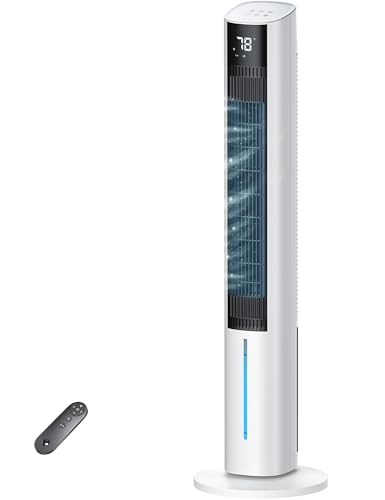
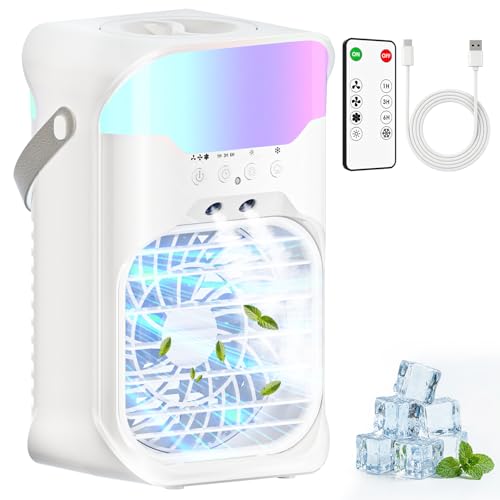
A small area air conditioner is any cooling unit designed for a compact space, typically under 400 square feet. That includes bedrooms, home offices, studio apartments, dorm rooms, converted attics, and small guest rooms. The market offers several designs for this range: window units, portable units, ductless mini-splits, and small through-the-wall models. Each has different strengths, and the right choice depends on your window situation, whether you rent or own, and how much quiet and efficiency you want.
In This Guide
Sizing: How Many BTU for a Small Area
Cooling capacity is measured in BTU per hour. The general rule for residential spaces is roughly 20 BTU per square foot, with adjustments for sun exposure, ceiling height, insulation, and occupant count. For small spaces, the practical ranges look like this:
| Room Size | Recommended BTU | Typical Use |
|---|---|---|
| Up to 150 sq ft | 5,000 – 6,000 BTU | Bedroom, small office, dorm room |
| 150 – 250 sq ft | 8,000 – 10,000 BTU | Studio apartment, larger bedroom, home office |
| 250 – 400 sq ft | 12,000 – 14,000 BTU | Open-plan studio, converted attic, small living room |
The sizing formula is not exact. A south-facing room with large windows may need a step up in capacity, while a well-insulated north-facing room may perform well with a slightly smaller unit. For a worked example, the guide on room size for a 5,000 BTU air conditioner walks through the calculation in detail.
AC Types for Small Spaces
Four main AC designs serve small areas. The right choice depends on your window, your wall, and your tolerance for installation work.
Window Air Conditioners
A window AC is the most direct and common choice for a small room with a compatible window. It is an entry-level to mid-tier option, and modern window units have become quieter and more efficient than older models. Narrow-window versions are available for older homes with smaller openings. The small window air conditioner 14 inches wide and small window air conditioner 15 inches wide guides cover sizing for tight openings. If your window is vertical or side-sliding, the small window air conditioner for vertical window and side to side window air conditioner guides are relevant.
Portable Air Conditioners
A portable AC is the most flexible option for renters and rooms without a usable window. It rolls on casters and vents through a hose. A small portable air conditioner for small room is the natural fit for a compact space, and a smallest dual hose portable air conditioner is the better choice when efficiency matters. If you need to cool a room without a standard window, the guide on a small AC unit that doesn't need a window explains venting alternatives.
Ductless Mini-Split Systems
A mini-split is the premium option for a small area. The indoor air handler mounts on a wall, and the compressor sits outside. The system is quiet, efficient, and does not block a window. The smallest mini split guide covers the most compact models, and the single-zone mini split article explains how a one-room configuration works. This is a high-end tier choice for homeowners planning a long-term investment.
Small Through-the-Wall Units
A through-the-wall unit is installed in a sleeve set into an exterior wall. It frees up the window entirely and is quieter than a window unit because the compressor is isolated in the sleeve. The trade-off is installation work. The small room air conditioner window guide compares capacities, and the through-the-wall AC overview explains sleeve sizing.
Placement and Airflow Tips
In a small area, placement has an outsized effect on comfort. A well-placed unit can make a modest capacity feel powerful; a poorly placed unit can leave hot spots even at higher capacity.
- Keep the air path clear: Do not place furniture directly in front of the supply grille. Airflow needs a clear path to mix with room air.
- Shade the outdoor side: For window and portable units, direct sun on the condenser reduces efficiency. A shade cloth or awning helps.
- Seal the installation gap: Window and portable kits leak air if not sealed properly. Foam weatherstripping and side panels make a measurable difference.
- Use a fan to mix air: A small ceiling or floor fan helps distribute cool air more evenly in a compact room.
- Close doors and vents: Cooling a small space is easier when the space is actually closed off from adjacent rooms.
For a bedroom setup, the small air conditioners for bedrooms guide covers quiet operation and overnight placement. For an office, see small portable air conditioner for office. For a studio apartment, the small air conditioners for small rooms overview compares typical configurations.
Efficiency and Running Behavior
Efficiency in a small area is less about raw SEER numbers and more about matching capacity to load. A small room with a correctly sized unit will often use less energy than a larger, more efficient unit that is oversized for the space. For a deeper explanation of the rating system, see what is a SEER rating.
Single stage compressors are common in small window and portable units. They run at full capacity or off, which is simple and reliable. In a small room, the cycling is brief and the temperature swing is usually acceptable. The single stage AC guide explains the trade-offs in more detail.
Adding a smart thermostat or a simple AC thermostat with a programmable schedule helps small-area units run only when needed. The smart thermostat guide explains compatibility, including the common C-wire question. For window and portable units with their own controls, a smart air conditioner control device can add scheduling and remote operation.
Comparison Table
The table below summarizes the four main small-area AC types.
| AC Type | Tier / Category | Best For |
|---|---|---|
| Window AC | Entry-level / mid-tier | Small rooms with a compatible window and a renter-friendly setup |
| Portable AC | Mid-range / flexible | Rooms without a usable window, renters, and temporary cooling |
| Ductless mini-split | High-end tier / premium | Homeowners who want quiet, efficient, long-term cooling |
| Through-the-wall AC | Mid-tier / balanced | Permanent installations where the window should stay clear |
If your space does not have a standard window at all, the guides on small air conditioner that doesn't need a window and single room AC unit no window cover the alternatives in more depth. For a general overview of small systems, the small air conditioning system article frames the choices.
Common Mistakes to Avoid
- Oversizing: The most common error in small spaces. More capacity does not mean more comfort; it means more short cycling and less humidity removal.
- Ignoring the vent: Portable ACs need a clear, sealed vent path. A loose or long hose reduces performance significantly.
- Placing the unit in direct sun: Sun exposure on the unit or the room's windows raises the load and reduces effective cooling.
- Skipping filter maintenance: In a small room, a clogged filter reduces airflow quickly. Clean or replace filters on schedule.
- Cooling an open space: Leaving doors open to adjacent rooms makes the unit work harder and reduces comfort in the target room.
If your small unit is not cooling as expected, the AC not cooling troubleshooting guide covers the most common causes. For maintenance routines, see the seasonal AC checklist.
Compare Small Area Air Conditioners
Explore our recommended small air conditioners below and match your room size with the right capacity and installation type.
VIEW RECOMMENDATIONSFrequently Asked Questions
What size air conditioner do I need for a small area?
For a small area up to 150 square feet, a 5,000 to 6,000 BTU air conditioner is typically sufficient. For spaces between 150 and 250 square feet, an 8,000 to 10,000 BTU unit is a better fit. Sun exposure, ceiling height, insulation, and occupant count can shift the requirement.
What is the best small area air conditioner type?
It depends on the space. A window AC is the most affordable entry-level option for rooms with a compatible window. A portable AC is the most flexible choice for renters or rooms without a window. A ductless mini-split is the best long-term investment for homeowners who want quiet, efficient cooling.
Can a portable AC cool a small area effectively?
Yes. A properly sized portable AC can cool a small room effectively, especially a dual-hose model that avoids negative pressure. Single-hose units work but are less efficient. Placement, venting, and insulation all affect performance.
Is an oversized air conditioner bad for a small room?
Yes. An oversized AC cools the room quickly but cycles on and off frequently, removing less humidity and increasing wear. This is especially noticeable in small rooms where the cooling load is low. A correctly sized unit runs longer cycles and delivers more consistent comfort.