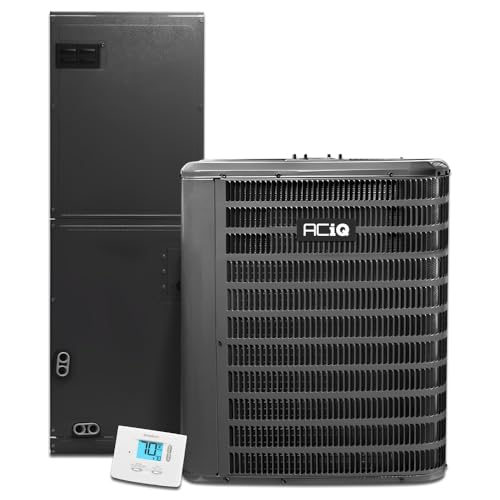
Three Ton Heat Pump: Complete Guide to Selection & Installation
Everything you need to know about sizing, efficiency ratings, installation requirements, and choosing the right three ton heat pump for your home's heating and cooling needs.
START LEARNINGWhy a three ton heat pump? A three ton heat pump is one of the most popular capacity choices for medium to large homes. It delivers 36,000 BTU of heating and cooling capacity, making it a versatile solution for homeowners who want year-round comfort from a single system. This guide walks you through everything from sizing verification to efficiency ratings and real-world performance expectations, so you can make a confident, well-informed decision.
What Is a Three Ton Heat Pump?
A three ton heat pump is a reversible HVAC system rated at 36,000 BTU (British Thermal Units) per hour. Unlike a standard air conditioner that only cools, a heat pump moves heat in both directions: it extracts heat from your home in summer and pulls heat from outdoor air in winter to warm your interior. The "three ton" designation refers to its capacity, not its physical weight.
Because it handles both heating and cooling, a three ton heat pump can replace a separate air conditioner and furnace in many climate zones. This dual-function design makes it a strong candidate for homeowners looking to simplify their HVAC setup. To understand how heat pumps compare with conventional systems, explore our guide on HVAC heat pumps.
Three ton units are typically whole-home systems, available in ducted configurations for homes with existing ductwork and ductless mini-split configurations for homes without ducts or for room-specific zoning.
How Much Space Does a Three Ton Heat Pump Cover?
Capacity is the single most important decision when selecting a heat pump. A three ton unit generally covers 1,200 to 1,800 square feet, but that range shifts based on several factors:
- Climate zone: Homes in colder climates need more heating capacity, so a three ton unit may cover less square footage in northern regions.
- Insulation quality: Well-insulated homes retain conditioned air longer, allowing the same unit to cover more space.
- Window area and orientation: Large south- or west-facing windows increase solar heat gain and cooling load.
- Ceiling height: Vaulted ceilings increase the volume of air that must be conditioned.
- Occupancy and appliances: Kitchens, home offices, and rooms with electronics add internal heat gain.
For a precise assessment, a professional load calculation (Manual J) is the gold standard. Our detailed guide on sizing an air conditioner explains how the calculation works. Oversizing a heat pump leads to short cycling, poor humidity control, and unnecessary wear; undersizing leaves rooms uncomfortable during peak weather. If you are weighing whether a three ton unit is the right capacity for your floor plan, our three ton heat pump guide offers additional sizing context.
Efficiency Ratings Explained: SEER2, EER2, and HSPF2
Heat pump efficiency is measured by three primary ratings. Understanding them helps you compare models on equal footing and anticipate real-world energy performance.
| Rating | What It Measures | Typical Range for Three Ton Units | Why It Matters |
|---|---|---|---|
| SEER2 | Seasonal cooling efficiency | 14.3 (minimum) to 20+ | Higher ratings mean less electricity for the same cooling output |
| EER2 | Cooling efficiency at peak temperature | 11.0 to 13.0 | Reflects performance on the hottest days when demand peaks |
| HSPF2 | Seasonal heating efficiency | 7.5 to 10.0+ | Higher ratings mean better winter performance and lower energy use |
The Department of Energy updated efficiency standards in 2023, moving from SEER to SEER2 and HSPF to HSPF2 with more realistic testing conditions. Minimum requirements vary by region. In northern states, heat pumps must meet higher heating efficiency thresholds. Our guide on HSPF ratings breaks down how heating efficiency is calculated, while our SEER explainer covers the cooling side in detail.
If you are evaluating whether an inverter-driven compressor is a worthwhile upgrade for efficiency, read our analysis on whether inverter AC is worth it. Inverter technology allows the compressor to modulate speed rather than cycling on and off, which improves both comfort and energy performance.
Types of Three Ton Heat Pumps
Three ton heat pumps come in several configurations. The right choice depends on your home's existing infrastructure, available space, and zoning needs.
| Type | Best For | Key Considerations |
|---|---|---|
| Ducted Split System | Homes with existing ductwork | Requires adequate duct sizing and sealing; see insulated ducting |
| Ductless Mini-Split | Homes without ducts or room-specific zoning | Multiple indoor heads can be connected to one outdoor unit; explore mini-split air and heat |
| Packaged Unit | Homes with limited indoor space | All components in one outdoor cabinet; often used in manufactured homes |
| Cold-Climate Heat Pump | Colder regions with sub-freezing winters | Rated for operation at lower outdoor temperatures; may include backup heating |
For a broader look at how residential systems are configured, our overview of HVAC systems for residential properties provides useful context. If you are specifically interested in ductless options, our guide on mini-split system air conditioning covers the fundamentals.
Installation Requirements and Considerations
Proper installation is critical to performance, efficiency, and lifespan. A poorly installed three ton heat pump can underperform even if the equipment itself is high quality. Key installation factors include:
- Electrical service: Three ton heat pumps typically require a dedicated 240V circuit. Verify your electrical panel has adequate capacity; our guide on checking your home's electrical capacity for HVAC explains what to look for.
- Outdoor unit placement: The outdoor unit needs clearance for airflow, a level surface, and protection from snow accumulation. Shading can improve efficiency; see shading an AC unit for guidance.
- Refrigerant line set: Line length and elevation differences affect performance. Our article on AC refrigerant line sets explains sizing and routing.
- Condensate management: Heat pumps produce condensate during cooling and defrost cycles. Proper drainage is essential; see installing a condensate pump on a mini-split.
- Ductwork assessment: Existing ducts must be sized for the airflow of a three ton system. Leaky or undersized ducts waste capacity; learn about replacing HVAC ductwork if upgrades are needed.
Hiring a licensed and insured contractor is not optional for refrigerant handling and electrical work. Our guide on licensed HVAC professionals explains what credentials to verify. Before the project begins, review our list of questions to ask your installer to avoid common pitfalls.
Real-World Performance: What to Expect
A properly sized and installed three ton heat pump delivers comfortable, consistent temperatures year-round. In cooling mode, expect strong dehumidification and even air distribution when ductwork is correctly designed. In heating mode, modern cold-climate models maintain capacity at outdoor temperatures well below freezing.
Performance depends heavily on the quality of the building envelope. Air sealing and insulation improvements reduce the load on the system, allowing a three ton unit to perform closer to its rated efficiency. If your home has significant air leaks or poor insulation, addressing those first often yields better returns than upgrading equipment.
For homeowners comparing heat pumps with other options, our guide on the most economical heating and cooling system provides a side-by-side perspective. If you are considering a heat pump as part of a larger energy-efficiency upgrade, our overview of the most efficient heating and air conditioning systems is a useful starting point.
Variable-speed and inverter-driven models provide more precise temperature control and quieter operation than single-stage units. Our article on variable speed AC explains how modulation works. For homeowners focused on minimizing energy use, our guide on the most energy efficient AC options covers the top performers in the market.
Maintenance Tips for Long-Term Performance
Regular maintenance keeps a three ton heat pump running efficiently and extends its service life. Key tasks include:
- Replace or clean filters every 1 to 3 months depending on usage and indoor air quality. A clogged filter restricts airflow and reduces efficiency.
- Keep the outdoor unit clear of leaves, grass clippings, and debris. Maintain at least 2 feet of clearance around the cabinet.
- Schedule professional servicing annually to check refrigerant charge, electrical connections, and coil cleanliness. Our guide on maintenance of HVAC systems covers what a thorough service includes.
- Inspect and clean coils as part of seasonal preparation. See AC condenser maintenance for step-by-step guidance.
- Monitor condensate drainage to prevent water damage and mold growth.
If your system is not performing as expected, our troubleshooting resources can help you identify common issues before calling a technician. Topics include AC not cooling the house and symptoms of low refrigerant.
Incentives and Long-Term Value
High-efficiency heat pumps often qualify for federal tax credits, utility rebates, and state-level incentive programs. These incentives can significantly reduce the net investment and shorten the payback period. Our guide on HVAC tax credits and rebates explains how to identify and claim available programs.
Beyond incentives, a three ton heat pump is a long-term investment in home comfort. With proper maintenance, a quality unit can serve a home for 12 to 18 years. Choosing a model with a higher efficiency rating and a durable build often delivers better performance and fewer repairs over the life of the system. Our article on AC as a long-term investment explores this perspective in more detail.
How to Choose the Right Three Ton Heat Pump
When comparing models, focus on these criteria rather than marketing claims:
- Efficiency ratings: Look for SEER2 and HSPF2 ratings that meet or exceed regional minimums. Higher ratings reduce operating energy use.
- Compressor type: Inverter or variable-speed compressors provide better comfort and efficiency than single-stage compressors.
- Sound levels: Outdoor unit noise is measured in decibels. Quieter models are available if the unit is near a patio or bedroom window. See quiet and energy efficient air conditioners.
- Warranty coverage: A strong warranty on the compressor and parts reflects manufacturer confidence. Our guide to HVAC warranties explains what to look for.
- Smart controls: Thermostat compatibility and app-based control add convenience and can improve energy management. See ideal AC temperature setting for usage tips.
- Contractor quality: The best equipment underperforms if installed poorly. Vet contractors carefully; see licensed HVAC for credential checks.
For a curated selection of models, explore our recommendations section. If you are considering a two-and-a-half ton unit as an alternative, our guide on the 2.5 ton AC unit with heat pump provides a useful comparison point. For smaller spaces, a one ton mini-split may be more appropriate.
Frequently Asked Questions
How many square feet does a three ton heat pump cover?
A three ton heat pump typically covers between 1,200 and 1,800 square feet, depending on climate zone, insulation quality, window area, and ceiling height. Homes in colder climates or with poor insulation should lean toward the lower end of that range. A professional Manual J load calculation provides the most accurate sizing.
What is the difference between a three ton heat pump and a three ton air conditioner?
A three ton air conditioner only cools, while a three ton heat pump both cools and heats by reversing the refrigerant cycle. Heat pumps are more versatile and can replace both an AC and a furnace in moderate climates. The trade-off is that heat pumps have more complex components and may require a defrost cycle in winter.
What SEER2 rating should a three ton heat pump have?
In most U.S. regions, a three ton heat pump should have a minimum SEER2 rating of 14.3 to 15.2 depending on the region. Higher-efficiency models in the 16 to 20 SEER2 range deliver better long-term energy performance and may qualify for utility rebates. The sweet spot for most homeowners is often in the mid-range efficiency tier, where performance gains justify the additional investment.
How long does a three ton heat pump last?
With proper maintenance, a three ton heat pump typically lasts 12 to 18 years. Annual professional servicing, regular filter changes, and keeping the outdoor unit clear of debris help maximize lifespan. Units installed in harsh climates or with frequent heavy usage may have shorter service lives.
Can a three ton heat pump heat a whole house in winter?
Yes, in moderate to cold climates a three ton heat pump can heat a whole house, especially cold-climate models rated for operation down to 5°F or lower. In extreme cold, a backup electric resistance or gas furnace may be needed. Cold-climate heat pumps use enhanced vapor injection or other technologies to maintain heating capacity at low outdoor temperatures.
Is a three ton heat pump too big for my home?
If your home is under 1,000 square feet or very well insulated, a three ton unit may be oversized. Oversizing causes short cycling, which reduces efficiency and can shorten equipment life. Use a Manual J load calculation to determine the correct capacity. Our guide on sizing an air conditioner explains how to avoid oversizing.