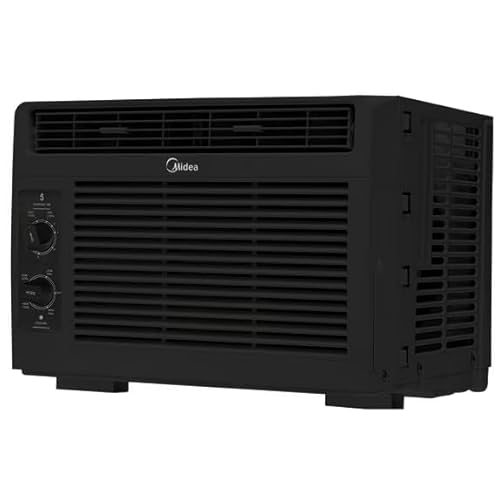
Window Air Conditioning Units for Sale: Your Complete Buying Guide
Everything you need to know before choosing a window air conditioner — from sizing and efficiency ratings to installation types and smart features. Research thoroughly, then decide with confidence.
Explore Recommended UnitsWhy this guide matters: A window air conditioner is one of the most practical cooling solutions for single rooms, apartments, and homes without ductwork. But choosing the wrong size, efficiency rating, or window compatibility can lead to poor cooling, higher energy use, and frustrating installation. This guide walks you through every decision point so you can select a unit that fits your space, your window, and your long-term needs.
What Are Window Air Conditioning Units?
Window air conditioning units are self-contained cooling systems designed to be mounted directly into a window frame or a specially prepared wall opening. Unlike central systems or ductless mini-splits, a window unit contains all essential components — compressor, condenser, evaporator, and fan — inside a single chassis. The unit draws indoor air in, cools it, and releases heat outside through the back portion that extends beyond the window.
These units are popular for several reasons: they are straightforward to install in most double-hung windows, they cool individual rooms efficiently, and they do not require ductwork or professional refrigerant line installation. For renters, homeowners with older houses, and anyone who needs targeted cooling without a whole-home system, a window unit remains a practical and reliable choice.
If you are exploring broader cooling options, you may also want to compare window mounted AC units with other room-specific solutions to understand where window units fit in the overall landscape of home cooling.
Types of Window Air Conditioning Units Available
When shopping for window air conditioning units for sale, you will encounter several configurations. Each type serves a different window style, room size, and installation preference. Understanding these categories helps you narrow your search quickly.
Standard Single-Room Window AC
The most common configuration. Fits double-hung windows and cools a single room. Simple mechanical or digital controls, washable filter, and straightforward installation.
Window AC with Heat Function
Combines cooling and heating in one chassis. Useful for transitional seasons and mild climates. Slightly larger footprint than cooling-only models.
Inverter Window AC
Uses variable-speed compressor technology for smoother temperature control and quieter operation. Often more efficient in long cooling sessions. See our guide to window air conditioner with inverter technology for details.
Smart / Wi-Fi Window AC
Offers app control, scheduling, and voice assistant integration. Ideal for users who want remote management and energy monitoring. Explore WiFi air con options for connected cooling.
Beyond these categories, window units also differ by window compatibility. Standard models fit vertical double-hung windows. If you have a sliding or casement window, you will need a specialized unit or an installation kit. Our guides on window air conditioner for sliding windows and window AC in casement window cover these scenarios in detail.
How to Choose the Right Size Window AC
Correct sizing is the single most important factor in window AC performance. An undersized unit will run continuously and fail to cool the room. An oversized unit will cool too quickly, cycle on and off frequently, and leave the room feeling clammy because it does not run long enough to remove humidity.
The standard measurement for cooling capacity is BTU (British Thermal Units). The table below provides a practical starting point based on room area. Keep in mind that ceiling height, sun exposure, occupancy, and kitchen heat gain can shift these recommendations.
| Room Area (sq ft) | Recommended BTU Range | Typical Use Case |
|---|---|---|
| Up to 150 | 5,000 – 6,000 BTU | Small bedroom, home office, studio nook |
| 150 – 250 | 8,000 – 10,000 BTU | Medium bedroom, small living room |
| 250 – 400 | 12,000 – 14,000 BTU | Large bedroom, open living area |
| 400 – 550 | 15,000 – 18,000 BTU | Large living room, open-plan space |
| 550 – 1,200 | 18,000 – 24,000 BTU | Multiple rooms or open layouts (consider two units) |
For a more precise estimate, use our detailed guide on window air conditioner for small room sizing, or if you are cooling a larger space, review window AC unit for 1200 sq ft house considerations. Remember that a single window unit is rarely sufficient for an entire floor of a home; multiple units or a different system type may be more appropriate.
Understanding Efficiency Ratings Before You Buy
Window AC efficiency is measured by the Combined Energy Efficiency Ratio (CEER), which replaced the older EER rating for window units. A higher CEER means more cooling output per unit of electricity consumed. Modern entry-level window units typically sit in the lower CEER range, while mid-range and premium inverter models achieve noticeably higher efficiency.
Efficiency matters most if you plan to run the unit for many hours per day throughout the cooling season. For occasional use in a small bedroom, the difference between efficiency tiers is less pronounced. For daily use in a living area, stepping up to a more efficient model is a worthwhile long-term investment.
- Entry-level units: Adequate for occasional use and smaller rooms; simpler controls and fewer features.
- Mid-range units: Better insulation of the chassis, improved fan design, and often digital thermostats; a solid choice for daily use.
- Premium and top-tier units: Inverter compressors, higher CEER, quieter operation, and smart features; well-specified for the category and efficient in the long run.
If energy efficiency is a priority across your home, you may also benefit from learning about WiFi thermostat for air conditioner options that can help manage cooling schedules more precisely, even with window units in different rooms.
Window Compatibility: Will a Window Unit Fit Your Window?
Before committing to a window air conditioning unit for sale, verify that it will physically fit your window. Window units are designed primarily for double-hung windows that open vertically. The unit rests on the lower sash, and the upper sash closes down behind the top of the unit. The window must be wide enough and tall enough to accommodate the chassis, and the sill must be level and structurally sound.
Common Window Scenarios
| Window Type | Compatibility | Recommended Approach |
|---|---|---|
| Vertical double-hung | Standard fit | Most window units install directly |
| Horizontal sliding | Requires adapter | Use a window air conditioner sliding window kit or a unit designed for sliding windows |
| Casement / crank-out | Limited compatibility | Specialized units or alternative cooling methods |
| Narrow window opening | Limited | Look for compact units; see window air conditioners for narrow windows |
| Small window opening | Limited | Compact chassis models; see window air conditioner for small window opening |
If your window opens sideways or is a crank-out style, review our dedicated guides on window air conditioner for windows that open sideways and window air conditioner for crank out windows. For very small openings, you may need to consider window air conditioner less than 14 inches wide models.
Structural support is equally important. Larger units are heavy, and improper support can damage the window frame or create a safety hazard. A window AC bracket support is a recommended addition for any unit above the smallest sizes. For installations where drilling is not permitted, explore window air conditioner bracket no drilling options.
Features That Matter in a Window AC Unit
Modern window units offer a range of features. Not all are essential, but understanding them helps you match the unit to your lifestyle.
- Remote control: Convenient for adjusting settings without getting up. See window air conditioner with remote control models.
- Digital thermostat: More precise temperature setting than analog dials. Explore window air conditioner with thermostat options.
- Programmable timer: Allows the unit to turn on or off at set times, useful for overnight cooling or pre-cooling a room.
- Energy saver mode: Cycles the fan with the compressor to reduce electricity use when the room reaches the set temperature.
- Washable filter: Essential for maintaining airflow and indoor air quality. Clean it every two to four weeks during heavy use.
- No-drip design: Some units manage condensate internally to reduce water dripping from the exterior. If dripping is a concern, look at window air conditioner that doesn't drip water models.
For bedroom installations, noise level is a key consideration. Inverter models and units with improved fan blade design tend to run quieter. If the unit will be in a bedroom, prioritize models with lower decibel ratings and features like a quiet mode or night mode.
Installation Considerations
Window AC installation is generally a do-it-yourself task, but proper technique matters for safety, performance, and preventing leaks. Most units come with a basic installation kit that includes side panels, a window sash lock, and weather sealing foam. However, some window styles and larger units benefit from additional hardware.
- Check the window sill: It should be level and capable of supporting the unit's weight. Reinforce if necessary.
- Use a support bracket: For units above 10,000 BTU or any installation where the unit extends significantly outside, a bracket is strongly recommended. See window air conditioner supports for options.
- Seal gaps: Use foam insulation and weather stripping to close gaps between the unit and the window frame. This prevents cool air from escaping and keeps insects out.
- Ensure proper drainage: The unit should tilt slightly downward toward the outside so condensate drains away from the interior. If water leaks inside, review window air conditioner leaking water inside troubleshooting.
- Secure the window: Use the included sash lock or a secondary locking mechanism to prevent the window from being opened from outside.
If you are unsure about installation or prefer professional help, you can explore who sells and installs window air conditioners for guidance on finding qualified installers in your area.
Maintenance Tips for Long-Term Performance
A window AC unit that is properly maintained will cool more effectively, use less energy, and last longer. The most important maintenance tasks are simple and require only a few minutes each month during the cooling season.
- Clean or replace the air filter every two to four weeks. A clogged filter restricts airflow, reduces cooling capacity, and forces the compressor to work harder. Most window unit filters are washable with warm water and mild detergent.
- Inspect the exterior coils annually. Dust, pollen, and debris can accumulate on the outdoor-facing coils. Gently rinse them with a garden hose when the unit is unplugged and dry.
- Check the seal around the unit. Over time, weather stripping can compress or peel. Replace it as needed to maintain efficiency.
- Listen for unusual sounds. Rattling, grinding, or squealing can indicate loose parts, fan obstruction, or bearing wear. Address these early before they become larger problems.
- Store the unit properly in the off-season. If you remove the unit for winter, clean it thoroughly, let it dry completely, and store it in a dry location. Cover the window opening with an insulated panel to prevent drafts.
If you notice the unit running but not cooling effectively, common causes include a dirty filter, low refrigerant, a faulty compressor, or a blocked condenser. Our guide on window AC not cooling but fan is running walks through diagnostic steps. For units that are not blowing cold air at all, see window air conditioner not blowing cold air.
Where to Find Window Air Conditioning Units for Sale
Window air conditioning units are widely available through major online retailers, home improvement stores, and local appliance dealers. When evaluating where to buy, consider return policy, warranty support, and delivery options. Larger units may ship with free delivery through some retailers, while others charge freight fees.
If you are specifically searching for value-oriented options, our guide on who has the cheapest window air conditioner discusses factors to weigh beyond the initial outlay, such as warranty length and efficiency. For a broader look at purchasing channels, see window air conditioning units for sale.
Before finalizing your purchase, confirm the unit's dimensions against your window opening, verify the electrical requirements (most window units run on standard 115V household current, but larger units may require a dedicated 230V circuit), and check the warranty terms for both parts and labor.
Ready to Compare Window AC Units?
Browse our curated selection of recommended window air conditioners below. Each listing includes key specifications to help you match a unit to your room size and window type.
View Recommended UnitsFrequently Asked Questions
What size window AC do I need for a bedroom?
For a typical bedroom between 150 and 250 square feet, an 8,000 to 10,000 BTU window unit is usually appropriate. Rooms with significant sun exposure or poor insulation may need slightly more capacity. Always cross-check with a BTU sizing chart and consider ceiling height.
Can I install a window AC in a sliding window?
Yes, but standard window units are designed for double-hung windows. For sliding windows, you will need a specialized installation kit or a unit designed for horizontal window openings. See our guide on window air conditioner for sliding windows for details.
How often should I clean the window AC filter?
During periods of regular use, clean the filter every two to four weeks. If you live in a dusty area or have pets, clean it more frequently. A clean filter maintains airflow and cooling efficiency.
Is an inverter window AC better than a standard model?
Inverter models offer smoother temperature control, quieter operation, and often better efficiency during long cooling sessions. They are a good choice for bedrooms and living areas used for extended periods. Standard models are adequate for occasional use and simpler needs.
Can a window AC unit cool more than one room?
Window units are designed for single-room cooling. While some cool air may drift into adjacent spaces, they are not a substitute for a multi-zone or central system. For multi-room cooling, consider multiple units or a ductless mini-split system.
Do window AC units require special electrical outlets?
Most small and medium window units run on standard 115V household outlets. Larger units (typically above 12,000 BTU) may require a dedicated 230V circuit. Always check the unit's electrical specifications before purchasing.
What should I do if my window AC is leaking water inside?
Interior water leaks often result from improper tilt, a clogged drain, or a damaged seal. Ensure the unit tilts slightly downward toward the outside. If the problem persists, review our guide on window air conditioner leaking water inside house for troubleshooting steps.
Are window AC units energy efficient?
Efficiency varies widely by model. Modern inverter units and models with higher CEER ratings are significantly more efficient than older or entry-level models. For daily use, a mid-range or premium efficiency unit can be a worthwhile long-term investment.