Central Air Conditioning System for Home: The Complete Buyer's Guide
Understand how whole-home cooling works, how to size a system correctly, which efficiency ratings matter, and how to plan installation and maintenance before you commit.
START LEARNINGWhy this guide matters: A central air conditioning system for home is one of the largest HVAC investments a homeowner makes. Buyers who understand sizing, efficiency tiers, and installation requirements consistently end up with more comfortable homes and fewer regrets. This guide walks you through everything you need to know before choosing a unit.
What Is a Central Air Conditioning System for Home?
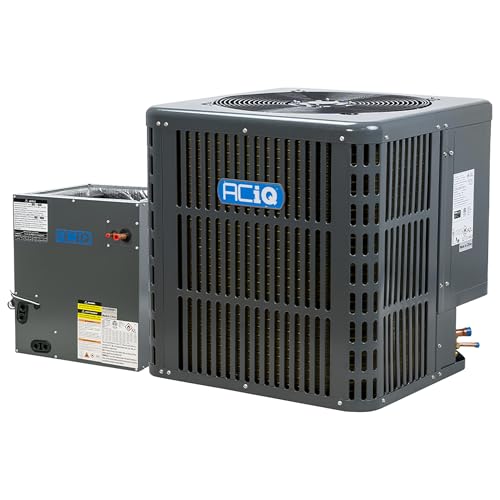
A central air conditioning system for home is a whole-house cooling setup that distributes conditioned air through a network of ducts. The system typically consists of an outdoor condenser unit, an indoor evaporator coil (often paired with a furnace or air handler), and a ductwork network that delivers cooled air to every room. Unlike window air conditioners or portable units that cool a single space, a central air conditioner system treats the entire house as one connected environment.
The core advantage is even, consistent cooling. Because the air is filtered and circulated through the same ductwork, indoor air quality also improves when the system is paired with a high-quality filter. Central systems are the standard cooling solution in most modern US homes, and they integrate naturally with a furnace or a heat pump for year-round comfort.
How a Central Air Conditioning System Works
A central system relies on the refrigeration cycle. The outdoor condenser compresses refrigerant, releasing heat to the outside air. The cooled refrigerant travels indoors to the evaporator coil, where it absorbs heat from the air passing over it. A blower then pushes that cooled air through the supply ducts into each room, while return ducts pull warm air back to the air handler. This continuous loop is what makes a central air conditioning split system so effective at maintaining uniform temperatures.
Understanding this loop helps diagnose common problems later. For example, if the outdoor unit runs but the house stays warm, the issue could be low refrigerant, a blocked coil, or a failing blower. Guides like central air conditioner running but not cooling and central air conditioner not blowing any air inside the house break down these scenarios step by step.
Types of Central Cooling Systems
Not every whole-home system is identical. The main variations you will encounter are:
- Split system: The most common configuration, with an outdoor condenser and an indoor air handler. This is the classic central air conditioning split system found in most single-family homes.
- Packaged system: All components sit in a single outdoor cabinet, often on the roof or beside the house. Common in smaller homes and some mobile homes.
- Ductless mini-split: A zoned alternative that avoids ductwork entirely. See central air conditioning ductless systems if your home lacks ducts or you want room-by-room control.
- Heat pump system: Combines cooling and heating in one unit, ideal for mild climates. Learn more in central air conditioning units with heat pump.
How to Size a Central Air Conditioning System for Your Home
Sizing is the single most important decision. An undersized system struggles to keep up on hot days, while an oversized system cools too quickly, cycles on and off frequently, and fails to remove humidity. The correct approach is a professional load calculation, often called Manual J, which accounts for square footage, ceiling height, insulation, window area, sun exposure, and local climate.
As a rough orientation, the following associations are commonly used in the industry:
| Home Size | Typical System Capacity | Best For |
|---|---|---|
| Around 1,000 sq ft | 1.5 to 2 tons | Small single-story homes |
| Around 1,500 sq ft | 2 to 2.5 tons | Starter-tier family homes |
| Around 1,800 sq ft | 2.5 to 3 tons | Mid-range family homes |
| Around 2,500 sq ft | 3 to 4 tons | Larger homes and multi-story layouts |
For deeper guidance, see the dedicated guides for central AC unit for 1000 sq ft house, central AC unit for 1500 sq ft home, central AC unit for 1800 sq ft house, and central AC unit for 2500 sq ft home. The general sizing principles are explained in how to size an air conditioner.
Efficiency Ratings: SEER2, EER2, and ENERGY STAR
Efficiency determines how much cooling you get per unit of electricity. The current US standard is SEER2, which replaced SEER under updated DOE rules. Here is how the tiers generally break down:
- Entry-level tier: Around 14.3 SEER2. Meets minimum federal standards and suits mild climates or budget-conscious buyers.
- Mid-range tier: Roughly 15 to 16 SEER2. A balanced choice with better long-term efficiency.
- High-end tier: Above 16 SEER2, often reaching 18 to 20+ SEER2. Best for hot climates and homes with high cooling demand.
- Premium / top-tier: Variable-speed compressors and advanced controls deliver the highest efficiency and quietest operation.
Energy efficiency is not just about the rating on the box. Duct sealing, insulation, and thermostat strategy all affect real-world performance. The guide on what is a SEER rating explains the metric, while seal air ducts for efficiency covers practical improvements. Pairing the system with a programmable thermostat also reduces wasted runtime.
Installation Considerations for Central Air Conditioning Systems
Installation quality has a direct impact on performance and lifespan. A properly installed system includes correct line set sizing, proper evacuation and charging, sealed ductwork, and a balanced air distribution design. Before installation, homeowners should verify electrical capacity, confirm placement for the outdoor condenser, and obtain any required permits.
Learn about the overall workflow in central air conditioning system installation, and review central air conditioning installation in older homes if you are retrofitting ducts. For condominiums, see central air conditioning units for condominium. It is also wise to learn how to choose an HVAC contractor before signing anything.
Maintenance and Troubleshooting
Routine maintenance keeps a central air conditioning system for home running efficiently for its full lifespan. At minimum, change or clean filters every one to three months, schedule annual professional tune-ups, keep the outdoor unit clear of debris, and inspect the condensate drain. The guide on central air conditioning system maintenance provides a full checklist, and central air conditioning cleaning services covers when to bring in a pro.
Common issues include the system running but not cooling, weak airflow, water leaks, and thermostat problems. Troubleshooting guides such as central AC running but not blowing cold air, central air conditioner not cooling enough, and central air conditioner leaking water inside house walk through likely causes and solutions. For sudden failures, read central air conditioner stopped working suddenly.
Repair, Replace, or Upgrade?
When an older system struggles, the decision between repair and replacement is rarely obvious. As a general rule, if the unit is nearing the end of its expected lifespan (around 15 years or more) and the repair is significant, replacement is often the more sensible path. See central air conditioner replacement for a full walkthrough of the decision process and preparation steps.
Homeowners also frequently ask about adding heat. A central air conditioning unit with heater or a combined central air heating and cooling unit can simplify the system while saving space. For mobile homes, see central air and heat unit for mobile home, and for standalone cooling needs, central air conditioning for 1200 square foot house is a useful reference.
Frequently Asked Questions
How do I choose the right size central air conditioning system for my home?
Sizing requires a load calculation based on square footage, ceiling height, insulation, windows, and climate. As a rough starting point, homes around 1,000 sq ft often use a 1.5 to 2 ton system, while 2,500 sq ft homes may need 3 to 4 tons. A professional Manual J calculation is the most reliable method.
What SEER rating should a central air conditioner have?
Modern systems use SEER2 ratings. Entry-level systems typically start around 14.3 SEER2, mid-range models reach 15 to 16 SEER2, and premium high-efficiency units can exceed 18 SEER2. Higher ratings reduce energy use in the long run.
How long does a central air conditioning system last?
A well-maintained system typically lasts 15 to 20 years. Regular filter changes, annual professional tune-ups, and correct sizing significantly extend the lifespan of the compressor and other components.
Does a central air conditioning system also heat the home?
A standard central air conditioner only cools. Many homes pair the cooling unit with a furnace or a heat pump. A central heat pump provides both heating and cooling through the same ductwork, making it a versatile whole-home solution.
Can I install central air conditioning in an older home without ducts?
Yes, but it often requires installing new ductwork, which can be invasive. Ductless mini-split systems are an alternative that avoids major construction. For homes with existing ducts, a load calculation and duct inspection are essential first steps.
Ready to compare options? Scroll down to see the recommended central air conditioning systems selected for whole-home cooling, then use our guides above to confirm the right size and efficiency tier for your home.