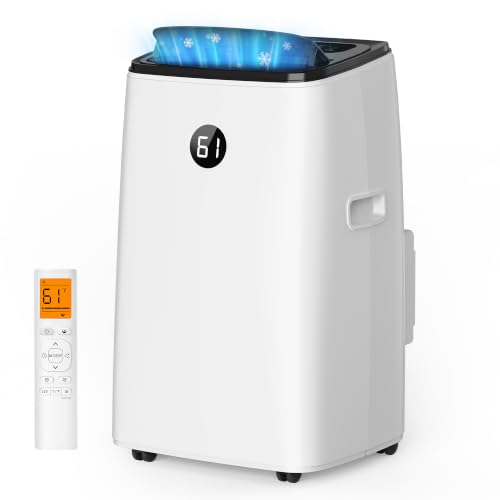
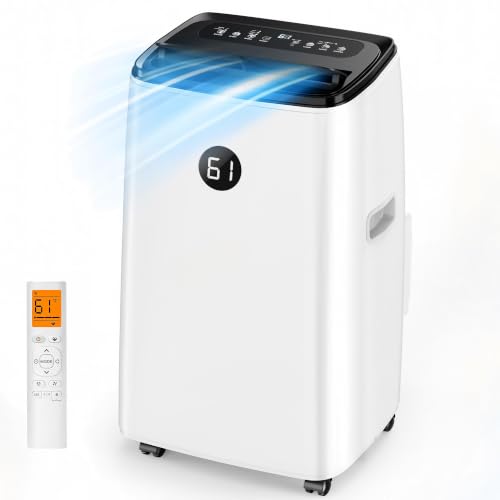
Energy Star Rated Portable Air Conditioners
Your complete guide to choosing certified efficient portable cooling units that balance performance, comfort, and environmental responsibility
VIEW RECOMMENDED UNITSWhy Energy Star certification matters for portable AC units. Portable air conditioners offer flexible cooling for rooms without ductwork, but their efficiency varies dramatically between models. An Energy Star rated portable air conditioner meets strict efficiency guidelines set by the U.S. Environmental Protection Agency, meaning it consumes less energy to deliver the same cooling output compared to standard models.
For renters, homeowners with limited installation options, and anyone cooling a single room, choosing an Energy Star certified unit is one of the most practical decisions you can make. These units typically use improved compressors, better insulation, and smarter airflow design to reduce energy waste during continuous operation.
If you are also considering other room-specific cooling solutions, our guide to Energy Star portable air conditioners provides additional context on certification standards and what to expect from different product categories.
Why Choose Energy Star Rated Portable AC Units?
Energy Star certification is not just a label — it reflects measurable performance differences that affect daily comfort and long-term energy use. Portable AC units are often run for extended periods, so efficiency gains compound quickly. Here are the primary benefits of choosing a certified model.
Lower Energy Consumption
Energy Star certified portable ACs typically use significantly less electricity than non-certified models while delivering comparable cooling capacity. This efficiency comes from optimized compressors, improved refrigerant handling, and better heat exchange design.
Environmental Responsibility
Certified units often use more environmentally friendly refrigerants and are designed to minimize leakage. Choosing an efficient model supports broader efforts toward environmentally friendly heating and cooling systems and reduces your household carbon footprint.
Quieter Operation
Efficiency improvements often correlate with better mechanical design. Many Energy Star portable ACs operate at lower noise levels because their compressors and fans run more smoothly and cycle less aggressively during steady-state cooling.
Consistent Cooling Performance
Certified models are tested under standardized conditions, giving you more confidence that the stated BTU capacity reflects real-world cooling. This predictability helps you size the unit correctly for your room without overbuying capacity.
Long-Term Durability
Manufacturers targeting Energy Star certification often use higher-grade components to meet efficiency targets. This typically translates to more durable construction and a longer service life compared to entry-level non-certified alternatives.
Smart Feature Integration
Many certified portable ACs include programmable timers, sleep modes, and Wi-Fi controls that help you avoid unnecessary runtime. These features work alongside efficiency improvements to reduce waste without sacrificing comfort.
How Energy Star Certification Works for Portable AC
The Energy Star program evaluates portable air conditioners based on their energy efficiency ratio (EER) and, more recently, combined efficiency metrics that account for standby power and seasonal performance. To earn certification, a portable AC must exceed minimum federal efficiency standards by a meaningful margin.
Testing is conducted under controlled laboratory conditions that simulate typical operating environments. The certification also considers standby energy consumption — the power drawn when the unit is plugged in but not actively cooling. This matters because many portable ACs remain plugged in throughout the cooling season.
It is worth noting that Energy Star criteria are periodically updated. Models certified under older standards may remain on shelves, so checking the current certification database is always a good practice before purchasing. For a broader overview of certified options across categories, see our guide to Energy Star qualified air conditioners.
Key Features to Evaluate in Energy Star Portable ACs
Beyond certification, several features directly affect how well a portable AC performs in your specific space. Use the checklist below to evaluate models systematically.
- BTU capacity matched to room size: Portable ACs typically range from 8,000 to 14,000 BTU. Oversizing wastes energy and creates uneven cooling; undersizing forces the unit to run constantly. Match capacity to square footage and heat load factors like sun exposure and occupancy.
- EER or CEER rating: Higher efficiency ratios indicate better cooling output per unit of electricity. Energy Star certified models exceed baseline thresholds, but comparing ratings among certified units helps identify the most efficient options within the category.
- Single-hose vs. dual-hose design: Dual-hose units draw in outdoor air for condenser cooling and exhaust hot air separately, which improves efficiency and cooling consistency. Single-hose models are simpler but can create negative pressure that pulls in warm air from adjacent spaces.
- Noise level in decibels: Portable ACs are generally louder than window units because the compressor and fan are inside the room. Look for models with noise ratings below 55 dB for bedrooms and home offices.
- Dehumidification capability: Many portable ACs double as dehumidifiers. In humid climates, a higher dehumidification rate improves comfort even at moderate temperatures.
- Programmable timer and sleep mode: These features prevent unnecessary runtime by aligning cooling schedules with occupancy patterns. Some models offer adaptive scheduling through companion apps.
- Window kit quality: The exhaust hose and window sealing kit significantly affect efficiency. Poorly sealed kits allow hot air to re-enter the room, undermining the unit's performance regardless of its certification level.
- Drainage options: Continuous drainage via a hose connection is more convenient than manual tank emptying, especially for units running overnight or during extended heat waves.
- Filter accessibility: Washable filters that are easy to remove and reinstall encourage regular maintenance, which preserves efficiency over time.
- Mobility and footprint: Casters, side handles, and a compact profile make it easier to move the unit between rooms. Consider the weight of the unit if you plan to relocate it frequently.
Portable AC Tiers: What to Expect at Each Level
Energy Star certified portable ACs span multiple market tiers. The table below outlines typical characteristics at each level, using universal tier descriptors rather than specific figures. This helps you align expectations with the type of unit you are considering.
| Tier | Best For | Typical Characteristics |
|---|---|---|
| Entry-Level | Small bedrooms, home offices, occasional use | Basic single-hose design, mechanical or simple digital controls, standard washable filter, manual drainage tank. Efficiency meets certification thresholds but lacks advanced features. Solid choice for light-duty cooling in spaces under 250 square feet. |
| Mid-Range | Living rooms, medium bedrooms, daily use | Dual-hose or improved single-hose design, programmable timer, sleep mode, remote control, continuous drainage option. Better noise insulation and more refined airflow distribution. Well-specified for the category and suitable for extended daily operation. |
| Top-Tier | Large rooms, open-plan spaces, smart home integration | High-efficiency dual-hose design, Wi-Fi and app control, voice assistant compatibility, advanced humidity control, premium filter options, quieter operation. Feature-rich for its class with robust build quality and thoughtful ergonomics for frequent relocation. |
Installation and Placement Best Practices
Even the most efficient portable AC underperforms if installed poorly. Follow these guidelines to maximize cooling effectiveness and preserve the unit's certified efficiency.
- Seal the window kit thoroughly: Use weatherstripping or foam insulation around the window panel edges. Gaps allow hot outdoor air to infiltrate, forcing the compressor to work harder.
- Keep the exhaust hose as short and straight as possible: Longer hoses with sharp bends reduce airflow and increase back pressure on the compressor. Position the unit close to the window whenever practical.
- Avoid direct sunlight on the unit: Placing the AC in direct sun heats the cabinet and reduces cooling efficiency. Use curtains or blinds to shade the area around the unit.
- Maintain clearance around intake and exhaust: Blocked vents restrict airflow and strain the fan motor. Leave at least 12 inches of clearance on all sides.
- Level the unit on a stable surface: Uneven placement can cause vibration, noise, and improper drainage. Use a level to confirm the unit sits flat.
- Consider a windowless venting option: If window installation is impractical, explore alternatives like exhaust vent solutions for portable air conditioners or flexible exhaust hose configurations that suit your space.
Maintenance That Preserves Energy Star Efficiency
Energy Star certification reflects performance when the unit is new and properly maintained. Over time, dust accumulation and neglected components degrade efficiency. Regular maintenance keeps the unit operating near its rated performance.
Clean or Replace Filters Monthly
Clogged filters restrict airflow and force the compressor to run longer. Most portable AC filters are washable with warm water and mild soap. Let them dry completely before reinstalling to prevent mold growth.
Empty and Clean the Water Tank
Standing water in the tank can harbor bacteria and mold. Empty the tank regularly and clean it with a mild detergent solution. If the unit supports continuous drainage, use it to avoid stagnant water.
Inspect and Clean the Exhaust Hose
Check the hose for kinks, tears, or blockages. Dust and debris can accumulate inside the hose over time. Wipe the interior with a damp cloth if accessible, or replace the hose if damaged.
Store Properly During Off-Season
Before storing, clean the unit thoroughly and drain all water. Cover the unit to prevent dust accumulation and store it upright in a dry location. Proper storage extends the unit's service life and preserves efficiency for the next season.
How Portable ACs Compare to Other Cooling Options
Portable air conditioners occupy a specific niche. Understanding how they compare to alternatives helps you determine whether an Energy Star portable AC is the right fit for your situation.
| Cooling Option | Best For | Key Consideration |
|---|---|---|
| Energy Star Portable AC | Renters, rooms without ductwork, flexible cooling needs | Requires window venting; mobility is a major advantage. Efficiency varies by tier and maintenance habits. |
| Energy Star Window AC | Permanent room cooling with a suitable window | Generally more efficient than portable units because the compressor sits outside the conditioned space. Explore Energy Star window ACs with Wi-Fi control for smart features. |
| Mini-Split System | Whole-room or multi-room cooling with permanent installation | Highest efficiency and quietest operation, but requires professional installation. See our guide to Energy Star mini-split systems for details. |
| Evaporative Cooler | Dry climates with low humidity | Uses water evaporation instead of refrigerant. Effective in arid regions but less suitable for humid environments. Learn more about evaporative cooler alternatives if you are comparing options. |
Frequently Asked Questions
Are all portable air conditioners Energy Star certified?
No. Many portable AC models on the market do not carry Energy Star certification. Certification is model-specific and requires meeting efficiency thresholds that exceed federal minimum standards. Always verify the exact model number through the Energy Star product database before purchasing.
Does an Energy Star portable AC cool better than a non-certified unit?
Cooling capacity is measured in BTU and is largely independent of certification. However, certified units generally deliver that capacity more efficiently, meaning they consume less electricity for the same cooling output. They may also maintain consistent performance more reliably over time due to better component quality.
How many BTU do I need for my room?
As a general guideline, portable ACs need about 20 BTU per square foot of floor area. A 300-square-foot room typically requires around 8,000 BTU, while a 500-square-foot space may need 10,000 to 12,000 BTU. Adjust upward for sun exposure, high occupancy, or kitchen areas that generate heat. Our guide to Energy Star portable air conditioners includes more detailed sizing considerations.
Can I use a portable AC in a room without a window?
Portable ACs require exhaust venting to remove hot air. Without a window, you may need alternative venting solutions such as a sliding door kit, a through-wall vent, or a drop-ceiling exhaust configuration. Some spaces are better suited to free-standing air conditioners that do not require a window, depending on the venting options available.
How often should I maintain my portable AC to preserve efficiency?
Clean or replace the air filter every two to four weeks during peak cooling season. Empty and clean the water tank weekly. Inspect the exhaust hose monthly for damage or blockages. A thorough seasonal cleaning before and after summer helps maintain efficiency and extends the unit's service life.
Is a dual-hose portable AC more efficient than a single-hose model?
Generally, yes. Dual-hose units separate intake and exhaust airflow, which reduces negative pressure inside the room and improves overall cooling efficiency. Single-hose units are simpler and often lighter, but they can draw warm air in through gaps around doors and windows. The efficiency difference is most noticeable in tightly sealed rooms.
Ready to Choose Your Energy Star Portable AC?
Review our recommended Energy Star rated portable air conditioners below. Each unit has been selected for its certified efficiency, build quality, and suitability for real-world cooling needs. Compare features, check availability, and find the model that fits your space.
Explore Recommended ModelsFor related topics, explore our guides to Energy Star rated window air conditioners, the most efficient Energy Star air conditioners, and Energy Star through-the-wall air conditioners. If you are comparing portable cooling with other approaches, our article on fans that cool like AC may also be useful.