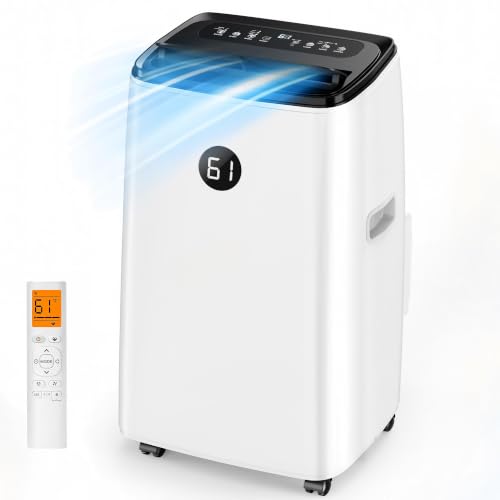
Portable Heater and Air Conditioner in One Unit: Complete Guide
How two-in-one heating and cooling units work, what separates a heat pump from a combo evaporative unit, and how to choose a year-round solution for a single room.
EXPLORE OPTIONS Educational guide — learn first, then chooseQuick summary: A portable heater and air conditioner in one unit gives you year-round comfort from a single cabinet. The most capable versions are portable heat pumps, which reverse the refrigerant cycle to heat in winter and cool in summer. Less capable versions combine an evaporative cooler with a small heater, or a compressor AC with a supplemental electric heater element. The right choice depends on how cold your winters get and how much space you need to condition.
If you are new to portable cooling, start with the portable air conditioner overview and then return here to compare the heater-and-AC combination category.
How a Combo Heater and AC Unit Works
Combination units fall into a few design categories, and each one heats and cools differently:
- Portable heat pump — a reversible refrigerant cycle that absorbs heat from outdoor air in winter and rejects heat from indoor air in summer. This is the most efficient combination design and the closest thing to a true two-in-one air conditioner and heater.
- Compressor AC with electric heater — cooling is handled by the compressor, and heating is handled by a resistive heating element. Cooling performance is comparable to a standard portable AC; heating is simpler but less efficient than a heat pump.
- Evaporative cooler with heater — cooling is handled by water evaporation, and heating by a heating element. Best suited to dry climates where evaporative cooling is effective.
The best-known version of the first category is the portable heat pump, sometimes marketed as a "portable AC with heater." The portable heat pump overview explains the reversed-cycle mechanics, and the portable AC with heater and dehumidifier guide covers the three-in-one variations that add humidity control. The portable combination heating and air conditioning units overview compares the broader category.
Comparing the Main Combo Designs
The table below compares the three designs across the factors that matter most for a year-round purchase. Tier descriptors replace numeric comparisons, since suitability depends on climate and room conditions.
| Design | Heating Method | Venting Required | Best For |
|---|---|---|---|
| Portable heat pump | Reversed refrigerant cycle | Yes — window, wall, or door panel | Mild to moderate winters, year-round single-room comfort |
| Compressor AC plus electric heater | Resistive heating element | Yes — same as a portable AC | Rooms where cooling is the priority and heating is occasional |
| Evaporative cooler plus heater | Heating element | No exhaust required | Dry climates with mild heating needs |
None of these is universally better. A portable heat pump is the most capable for year-round use, but it depends on outdoor temperatures. A compressor AC with an electric heater is simpler and more predictable in cold weather, but heating is less efficient in the long run. An evaporative combination unit is the most limited in climate range and is best treated as a niche option.
Climate and Performance: What Actually Matters
Heat pump performance drops as outdoor temperatures fall. In mild climates, a combination heat pump can handle most of the heating season without backup. In colder climates, the unit will produce less heat on the coldest days, and a supplemental electric heater element helps bridge the gap.
This matters for two reasons. First, a heat pump that is sized for cooling may be undersized for heating in cold weather. Second, running a heat pump in very cold conditions can cause frequent defrost cycles, which reduce effective heating output and produce condensate that must be managed.
For humid climates, the cooling side of the equation dominates the decision. Our guides on portable AC for humid climates and portable AC for high humidity explain why compressor-based cooling is the practical choice in those regions. For dry climates, evaporative cooling is viable, though most combination units in this category are compressor-based.
Where Combination Units Fit
Year-Round Single Room
A bedroom, home office, or studio that needs both cooling in summer and heating in winter, with a window available for venting.
Mild-Winter Climates
In climates where outdoor temperatures rarely drop below freezing, a portable heat pump can handle most of the heating load efficiently.
Rentals and Temporary Spaces
Tenants and temporary occupants who cannot install a permanent system benefit from a movable unit that requires only a window or door vent.
Very Cold Climates
In deep-winter regions, plan for a supplemental heater or choose a model with a built-in electric heating element. Heat pump output drops as temperatures fall.
Rooms With No Window
Combination units still need a venting path. See the portable AC for room with no window guide for alternatives.
Whole-Home Comfort
If you need to condition more than one room, a mini-split or a permanent heat pump system is a better long-term investment. See the portable ductless mini-split overview.
Buying Checklist for a Combo Heater and AC Unit
Use this checklist to compare options without relying on numeric comparisons that change between listings:
- Confirm the heating technology. A heat pump is the most efficient option in mild climates. A resistive heater is simpler but less efficient. A combination of both is the most versatile.
- Check the unit's heating range. Look for the lowest outdoor temperature the unit can operate in. If your winters are cold, this specification matters more than cooling capacity.
- Match capacity to the room. Use a sizing guide rather than guessing. Oversized and undersized units both have drawbacks in heating and cooling.
- Verify the venting path. A window kit, wall port, or door panel is required. Confirm the kit is included or available for your window style. The sliding window kit guide and the casement window kit guide cover common scenarios.
- Review the defrost behavior. In heating mode, heat pumps periodically enter defrost cycles. The unit should handle condensate from this process cleanly.
- Check the noise level. Compressor and fan noise are both present in heating and cooling modes. A unit that is quiet in cooling may be louder in heating.
- Confirm the electrical rating. Heating mode often draws more power than cooling mode. Check that the circuit you plan to use can support the unit's peak draw.
- Look at the control options. A remote control, programmable thermostat, or Wi-Fi control makes year-round use more convenient. See the portable AC with Wi-Fi control overview.
Sizing and Placement
Sizing a combination unit requires balancing cooling and heating capacity. A unit sized for summer cooling may not deliver enough heat in winter, especially in a heat pump design. If heating is as important as cooling, choose a unit with slightly more heating capacity than the room's cooling load requires, or look for a model with a supplemental electric heater.
Placement matters for the same reason. Keep the unit away from direct sun, allow clearance around the intake and exhaust, and keep the hose run short and straight. For a bedroom, the portable AC unit for bedroom overview covers placement and noise. For compact rooms, the portable AC for a very small room guide covers the smallest categories. For larger spaces, the portable AC for a 500 sq ft room and portable AC for 1,000 square feet guides cover capacity expectations.
If the room has a basement window or a small window, the kit choice affects performance in both modes. The basement window guide and the small window guide cover compatible kits.
Common Problems and Fixes
The unit cools well but heats weakly
This is common in cold weather. Heat pump output drops as outdoor temperatures fall, and the unit may enter defrost cycles more frequently. Check whether the unit has a supplemental electric heater, and confirm that the outdoor temperature is within the unit's operating range. In very cold weather, a supplemental space heater may be necessary alongside the unit.
The unit runs but does not cool or heat
Check the exhaust path first. A disconnected, kinked, or blocked hose prevents the unit from rejecting or absorbing heat as intended. Also check the window seal. The portable AC not cooling enough guide walks through the diagnostic order for cooling issues, and many of the same principles apply to heating.
Condensate accumulates faster in heating mode
Defrost cycles produce condensate that must drain. If the tank fills quickly in winter, check that the unit is level and that the drain path is clear. Some units have a continuous drain option for long heating sessions.
The unit is louder in heating mode
Compressor behavior in heating mode can differ from cooling mode, and the fan may run at higher speeds to distribute warm air. If the noise is excessive, check that the unit is level and not vibrating against a wall or floor, and confirm that the hose is not kinked.
Maintenance for Year-Round Use
A combination unit needs attention in both seasons. Keep these habits:
- Clean or replace the filter regularly. A clogged filter reduces both cooling and heating performance.
- Drain condensate in both modes. Cooling produces water, and so do defrost cycles in heating mode.
- Inspect the exhaust hose and window seal at the start of each season. Worn seals reduce performance in both modes.
- Keep the unit level. Vibration can stress the compressor mounts over time, especially during heating operation.
- Store the unit upright for the off-season, after draining the tank and drying the cabinet.
For seasonal routines and filter cleaning, our maintenance section covers the steps in more detail. If the unit will sit unused for months, cover the cabinet to keep dust out of the coils. If the unit has a self-evaporating system, the self-evaporating system overview explains how condensate is handled in both modes.
Ready to Compare Combo Heater and AC Units?
Review the recommended products below to compare heating technology, cooling capacity, venting compatibility, and control options. Every listing is selected for the combination heater and air conditioner category.
View Recommended UnitsFrequently Asked Questions
How does a portable heater and air conditioner in one unit work?
Most combination units are portable heat pumps. In cooling mode, the unit absorbs heat from the room and exhausts it outside through a hose. In heating mode, the refrigerant cycle is reversed, so the unit pulls heat from outside air and releases it into the room. Some units add a supplemental electric heater element for very cold conditions.
Do combination portable heater and AC units need to be vented?
Yes. A heat pump or compressor-based combination unit must vent through a window, wall, or door panel in both heating and cooling modes. Without a venting path, the rejected air returns to the room and the unit cannot perform as intended.
Can a portable heater and AC combo replace a permanent HVAC system?
For a single room, a combination unit can provide year-round comfort in many cases. It is not a substitute for a whole-home system, and it is not designed to heat or cool multiple rooms at once. Think of it as a room-level solution for spaces where a permanent system is not practical.
How well do combination units heat in very cold weather?
Heat pump performance drops as outdoor temperatures fall. In mild climates, a combination heat pump unit can handle most of the heating season. In very cold climates, look for a unit with a supplemental electric heater, or plan to use the unit as a secondary heat source alongside a primary system.
What maintenance does a combination portable unit need?
Routine maintenance includes cleaning or replacing filters, draining condensate in cooling and defrost modes, inspecting the exhaust hose and window seal, and checking the unit's electrical connections. Off-season storage requires draining the tank and storing the unit upright.
Related Guides
Choosing by Tier, Not by Guesswork
Combination portable heater and AC units sit across several tiers. Use these descriptors to orient yourself before comparing listings:
Compressor AC with Basic Heater
Cooling is the priority, with a simple electric heater for mild winter use. Best for rooms where heating needs are occasional.
Portable Heat Pump Combo
Reversible refrigerant cycle for efficient heating and cooling. A solid choice for mild-winter climates and year-round single-room comfort.
Feature-Rich Heat Pump Combo
Adds inverter compressor, supplemental electric heater, multi-speed fans, and Wi-Fi control. A worthwhile investment for frequent, long-term use.
If your setup involves a non-standard window or a room without ventilation, the kit matters as much as the heating technology. The sliding window kit guide and the casement window kit guide cover the most common fit scenarios. For temporary or shared setups, the portable AC units for rent overview covers the practical constraints, and the portable AC unit for camping guide covers small-scale use.