HVAC: Heating, Ventilation & Air Conditioning Explained
Understand how a complete HVAC system works, compare the main system types, weigh efficiency ratings, and learn the maintenance habits that keep indoor comfort reliable through every season.
EXPLORE SYSTEM TYPESWhy this guide matters: HVAC is the backbone of indoor comfort, air quality, and energy performance in any home. Buyers who understand how heating, ventilation, and air conditioning components work together are far better equipped to choose the right system, avoid oversized equipment, and plan maintenance that protects a long-term investment.
What Is HVAC and How Does It Work?
HVAC stands for Heating, Ventilation, and Air Conditioning — the three functions that together regulate temperature, humidity, air circulation, and indoor air quality. While people often use "HVAC" and "air conditioning" interchangeably, a true HVAC system includes the heating source, the ventilation network, and the cooling and dehumidification components working as one coordinated system.
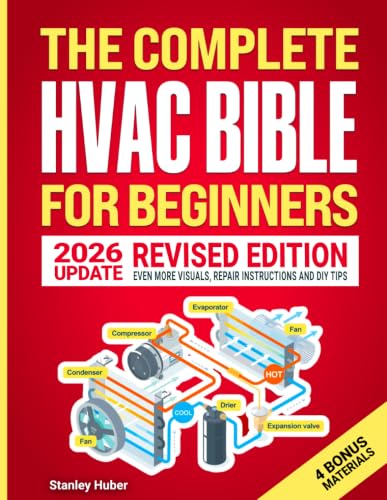
The cooling and heating process relies on the HVAC cooling cycle, in which refrigerant absorbs heat indoors and releases it outdoors. In heating mode, a furnace burns fuel or a heat pump reverses the cycle to move heat indoors. Air handlers and HVAC fans push conditioned air through a network of ducts and vents, while filtration and fresh-air intake handle ventilation.
Understanding each component — the condenser, evaporator coil, expansion valve, and blower fan — helps homeowners recognize problems early and communicate clearly with technicians.
Key Components of a Complete HVAC System
- Outdoor Condenser Unit Releases absorbed heat to the outside air and houses the compressor, condenser coil, and fan.
- Indoor Air Handler Moves conditioned air through ductwork using a blower, often paired with the evaporator coil.
- Evaporator Coil Absorbs heat and moisture from indoor air as refrigerant evaporates inside the coil.
- Compressor The pump that circulates refrigerant and drives the entire heat-transfer process.
- Ductwork & Vents Distributes conditioned air throughout the home; leaks here waste efficiency. See HVAC ductwork and air duct sealing.
- Thermostat & Controls Modern HVAC control systems manage schedules, zoning, and smart-home integration.
- Filtration System Captures dust, pollen, and particles; filter choice affects airflow and indoor air quality.
- Condensate Management A condensate pump or drain line removes moisture collected during cooling.
Main Types of HVAC Systems Compared
Choosing between system types is the single most consequential decision for most buyers. The right choice depends on home layout, climate, duct availability, and how the system will be used season to season. The comparison below uses consistent market-tier descriptors rather than monetary figures.
| System Type | Market Tier | Best For | Notable Strengths |
|---|---|---|---|
| Split System (Central) | Mid-range to premium | Homes with existing ductwork | Whole-home comfort, quiet indoor operation, strong efficiency options |
| Packaged System | Entry-level to mid-range | Small homes, rooftops, tight lots | Single compact cabinet, simpler installation footprint |
| Ductless Mini-Split | Mid-range to premium | Homes without ducts, additions, zoned comfort | Room-by-room control, no duct losses, flexible placement |
| Heat Pump System | Mid-range to high-end tier | Mild-to-moderate climates, dual heating and cooling | One system for both seasons, strong efficiency in moderate climates |
| Hybrid System | Premium | Buyers wanting fuel flexibility | Switches between heat pump and furnace based on conditions |
| VRF / VAV Commercial | Commercial-grade | Offices, retail, multi-zone buildings | Precise zone control and scalable capacity |
Split Systems
The most common residential configuration, pairing an outdoor condenser with an indoor air handler. Well-suited to homes with existing HVAC ductwork and offering a wide spread of efficiency tiers.
Packaged Systems
All components housed in one outdoor cabinet, ideal where indoor space is limited. A solid choice for compact homes and certain commercial layouts.
Ductless Mini-Splits
Ideal for homes without ducts, additions, and room-by-room zoning. Explore the full HVAC mini-split overview for installation and sizing considerations.
Heat Pumps
Deliver both heating and cooling from one system and shine in moderate climates. Learn how they compare in our HVAC and heat pump guide.
Hybrid Systems
Combine a heat pump with a furnace and automatically select the more efficient source for current conditions — a flexible long-term investment.
VRF & Zoned Commercial
Built for multi-zone buildings that demand precise control. See HVAC for commercial spaces for design and sizing guidance.
HVAC Efficiency Ratings You Should Understand
Efficiency ratings translate directly into long-term operating performance. The most important metrics are SEER2 for cooling, HSPF2 for heat pump heating, and AFUE for furnaces. Higher ratings generally indicate more advanced compressors, larger coils, and better insulation — characteristics more common in premium tiers.
Understanding HVAC energy efficiency is not only about the rating on the box. Duct leakage, refrigerant charge, thermostat strategy, and insulation all influence real-world performance. A top-tier unit installed on leaky ducts can underperform a mid-range unit on a well-sealed system.
Buyers should also review current HVAC building codes, which set minimum efficiency requirements that vary by region, and confirm that any contractor holds proper HVAC license and insurance before work begins.
Sizing and Design: Getting It Right the First Time
Oversized and undersized systems both cause problems. An oversized unit short-cycles, failing to remove humidity and wearing out components prematurely. An undersized unit runs constantly and struggles on peak days. Proper sizing relies on a load calculation that accounts for square footage, ceiling height, window area, insulation, occupancy, and local climate.
Design also covers duct layout, register placement, and return-air sizing. A well-designed system distributes air evenly and keeps static pressure within range. For deeper technical detail, see the HVAC design guide and HVAC design resources, plus HVAC buying guide for step-by-step selection criteria.
When evaluating quotes, request a written load calculation and compare proposals across at least three contractors. The HVAC quote process and HVAC estimates overview explain what a credible proposal should include.
HVAC Maintenance That Protects Performance
Routine maintenance is the difference between a system that lasts a decade-plus and one that fails early. The HVAC maintenance guide covers professional service schedules, while the habits below cover what homeowners can handle between visits.
- Replace or clean air filters on the manufacturer's schedule — restricted airflow strains the blower and reduces efficiency.
- Schedule professional HVAC cleaning and coil cleaning annually to maintain heat-transfer performance.
- Book duct and vent cleaning and a duct inspection when airflow weakens or dust reappears quickly.
- Keep the outdoor unit clear of debris, vegetation, and obstructions for proper heat rejection.
- Review an HVAC inspection checklist before each heating and cooling season.
- Consider a maintenance plan that bundles seasonal tune-ups and priority service.
Common HVAC Problems and When to Call a Professional
Some symptoms are simple fixes — a tripped breaker, a clogged filter, or a thermostat setting. Others signal refrigerant loss, electrical faults, or failing components that require licensed technicians. Persistent HVAC not cooling properly issues or a system blowing cold air but not cooling the house should be diagnosed professionally.
A water leak from a furnace is another common call — see furnace leaking water for likely causes. Electrical components such as a contactor or control board should only be replaced by qualified technicians. For serious issues, locate a trusted HVAC repair and service provider rather than attempting a DIY repair.
Homeowners planning upgrades should also review HVAC installation cost considerations and the HVAC installation services overview to understand what a professional installation entails.
Ventilation, Humidity, and Indoor Air Quality
A complete HVAC system does more than heat and cool — it manages moisture and fresh-air exchange. In humid climates, HVAC dehumidification is essential for comfort and mold prevention, while dry climates often call for a HVAC humidifier to maintain healthy indoor humidity.
Ventilation strategies range from simple exhaust fans to energy-recovery ventilators that bring in fresh air while conserving energy. Combined with proper filtration and system cleaning, these measures support indoor air quality year-round.
Choosing the Right HVAC Contractor
Even the best equipment underperforms when installed incorrectly. Start by locating a reputable HVAC contractor near you, then verify credentials, request references, and compare at least three written proposals. The HVAC experts overview explains what separates a skilled technician from a generalist, and the HVAC inspection service page covers pre-installation evaluation.
If you are considering a new system, review HVAC equipment options and HVAC buying guide for selection frameworks. For existing installations, an annual HVAC inspection is the most reliable way to catch small issues before they become major repairs.
Frequently Asked Questions About HVAC
What does HVAC stand for?
HVAC stands for Heating, Ventilation, and Air Conditioning. It describes the interconnected systems that control temperature, humidity, and air quality inside a building.
What are the main types of HVAC systems?
The main types are split systems, packaged systems, ductless mini-splits, heat pumps, and hybrid systems. Each suits different home layouts, climates, and efficiency priorities.
How long does an HVAC system last?
Most HVAC systems last between 12 and 20 years depending on the equipment type, climate, maintenance habits, and installation quality. Regular professional service extends lifespan.
How often should HVAC systems be serviced?
HVAC systems should be professionally serviced at least once per year, ideally twice: once before the cooling season and once before the heating season.
What SEER rating should I look for in an HVAC system?
Modern minimum efficiency standards vary by region. Higher SEER and SEER2 ratings indicate greater cooling efficiency. Premium tier systems typically exceed minimum standards by a wide margin.
Ready to Compare HVAC Options?
Explore our detailed guides on system types, efficiency ratings, and installation best practices — then evaluate recommended equipment with confidence.
VIEW HVAC BUYING GUIDE