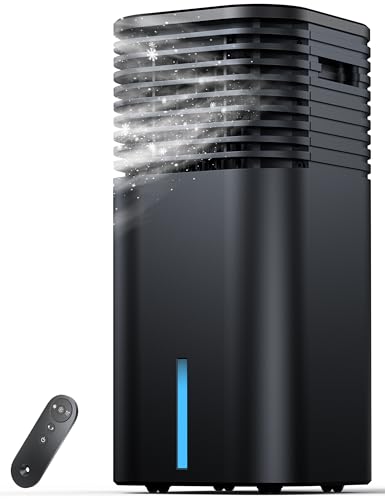
Portable Cooler Air Conditioning: Complete Buyer's Guide
Understand the difference between evaporative coolers and compressor-based portable ACs, where each works best, and how to match a cooling device to your room and climate.
EXPLORE OPTIONS Educational guide — learn first, then chooseQuick summary: "Portable cooler air conditioning" is a broad category that includes evaporative coolers, compressor-based portable ACs, personal spot coolers, and cooling fans. Each works differently, and no single type is best for every situation. The deciding factors are climate, room size, venting options, and how much airflow you want.
If you are new to the category, start with the portable air conditioner overview and then return here to compare the main types of portable cooling devices.
What "Portable Cooler Air Conditioning" Actually Covers
The phrase is used loosely in product listings, so it helps to separate the categories. There are four main types of portable cooling devices that fall under this umbrella:
- Evaporative coolers — water-based cooling that requires no venting but raises indoor humidity. Best in dry climates.
- Compressor-based portable ACs — true air conditioners that remove heat and humidity and must vent hot air outside.
- Personal spot coolers — small, directional units that cool a person rather than a room, often using the same evaporation or compressor principles in a compact body.
- Cooling fans — air movement devices that do not lower the temperature by themselves but can improve comfort through airflow.
Most searches for "portable cooler air conditioning" are looking for one of the first two categories. Understanding which is which is the single most important step before buying. Our guides on the portable evaporative air cooler and the portable air conditioner cover each category in more detail.
How the Main Types Work
Evaporative coolers
An evaporative cooler uses a fan to pull warm, dry air through a water-saturated pad. As water evaporates, it absorbs heat from the air, and the fan blows cooler, more humid air into the room. No exhaust hose is required, but the humidity must go somewhere, so these units work best in open or semi-open spaces. The evaporative technology overview explains the mechanism and the climate constraints.
Compressor-based portable ACs
A portable AC uses a compressor and refrigerant to absorb heat from the room air and reject it through an exhaust hose. Because the heat is moved outside, the room's humidity is also reduced. These units need a venting path — a window kit, a wall port, or a door panel. The intake and exhaust guide explains the airflow in detail.
Personal spot coolers
Spot coolers are designed for directed cooling rather than whole-room cooling. They come in evaporative, compressor, and thermoelectric designs. The personal wearable portable AC guide covers the wearable segment, and the broader portable cooling devices overview compares the options.
Cooling fans
A fan does not lower the air temperature. It increases airflow across the skin, which improves perceived comfort. A fan is a useful companion to an evaporative cooler or a portable AC, but it is not a substitute for either. The portable cooling fan guide covers the different fan types.
Comparing the Main Portable Cooling Types
The table below compares the categories across the factors that matter most for a buying decision. Tier descriptors replace numeric comparisons, since suitability depends on climate and room conditions.
| Type | Cooling Method | Venting Required | Best For |
|---|---|---|---|
| Evaporative cooler | Water evaporation | None (needs airflow) | Dry climates, garages, patios, semi-open spaces |
| Portable AC (compressor) | Compressor and refrigerant | Exhaust hose to a window, wall, or door | Any climate, sealed rooms, bedrooms, home offices |
| Personal spot cooler | Evaporative, compressor, or thermoelectric | Depends on the model | Personal cooling, desks, workstations |
| Cooling fan | Air movement | None | Supplementing an AC, increasing airflow, low-humidity comfort |
No single type is universally better. A dry-climate garage suits an evaporative cooler. A humid bedroom suits a portable AC. A desk in an air-conditioned office may only need a fan. The next section explains how to match a unit to your situation.
Matching a Portable Cooler to Your Climate and Room
Humidity is the deciding factor
Evaporative cooling depends on dry air. In humid climates, the air is already near saturation, so evaporation slows and cooling output drops. A portable AC is the practical choice in humid conditions because it removes heat and humidity together. Our guides on portable AC for humid climates and portable AC for high humidity cover the specific considerations, including condensate handling.
Room size determines capacity
Sizing follows the same principles as any cooling device: match capacity to the room's heat load, not to the size of the unit. Room area, ceiling height, sun exposure, insulation, and occupancy all matter. For compact spaces, the portable AC for a very small room and portable air conditioners for small rooms overviews cover the smallest categories. For larger spaces, the portable AC for a 500 sq ft room and portable AC for 1,000 square feet guides cover capacity expectations.
Venting options determine the type
A compressor-based portable AC needs a venting path. If your window is a sliding window, a casement, or a crank-out style, the kit must match. The sliding window kit guide, casement window kit guide, and crank window kit guide cover the most common scenarios. If no window is available, the portable AC for room with no window overview covers alternatives.
Where Each Type Makes Sense
Dry-Climate Living Spaces
Evaporative coolers shine in low-humidity regions. Keep a door or window open to allow humidity to escape, and aim the airflow toward the occupied area.
Humid-Climate Bedrooms
A compressor-based portable AC removes heat and humidity together. Choose a unit with a self-evaporating system to reduce manual draining.
Garages and Patios
Open and semi-open spaces suit evaporative cooling because the humid air disperses naturally. No venting is required in these settings.
Desks and Workstations
Personal spot coolers and cooling fans provide directed comfort without trying to cool the whole room. A practical choice for shared spaces.
Sealed Rooms in Humid Areas
Evaporative cooling will not deliver meaningful relief here. The accumulated humidity reduces output and can affect furnishings and electronics.
Rooms With No Window
If you need true cooling without a window, see the portable AC without window access guide and the without window vent overview.
How to Choose a Portable Cooler
Use this checklist to compare options without relying on numeric comparisons that change between listings:
- Check your local humidity. Low humidity favors evaporative cooling. High humidity favors a compressor-based portable AC. Dew point is a more reliable indicator than relative humidity.
- Identify the venting path. A portable AC needs a window, wall, or door panel. An evaporative cooler does not, but it needs airflow to disperse humidity.
- Match capacity to the room. Use a sizing guide rather than guessing. Oversized and undersized units both have drawbacks.
- Consider noise levels. Compressor units are audible; evaporative coolers are usually quieter. Fan noise varies across models.
- Review maintenance requirements. Evaporative coolers need pad replacement and tank cleaning. Portable ACs need filter cleaning and condensate draining.
- Check the airflow pattern. Directional louvers and oscillation make a difference for personal cooling and for spot cooling.
- Confirm the electrical rating. Check that the unit's draw is compatible with the circuit you plan to use.
- Plan for storage. Drain tanks and dry the unit before off-season storage. Compressor units should stay upright after transport.
Common Problems and Fixes
The cooler runs but the room does not feel cooler
For an evaporative cooler, check the humidity first. In humid air, evaporation slows and output drops. Also check the cooling pad and water level. For a compressor-based portable AC, check the exhaust path first — a disconnected or kinked hose prevents heat from leaving the room. The portable AC not cooling enough guide walks through the diagnostic order.
The room feels damp or sticky
This is a sign of humidity buildup from evaporative cooling. Increase airflow by opening a door or window, or reduce the cooler's runtime. If the issue persists, the space is not a good fit for evaporative cooling.
The cooling pad smells musty
Standing water and warm air encourage mold growth on the pad. Drain and dry the unit between uses, and replace the pad at the start of each season.
The portable AC leaks water
In humid conditions, the condensate tank can fill quickly. Check whether the unit is level, confirm that the drain plug is seated, and consider a unit with a self-evaporating system if leaking is persistent. The self-evaporating system overview explains how condensate is handled.
Maintenance for Portable Coolers
Maintenance differs by category, but a few habits apply across the board:
- Keep the intake and outlet grilles clear. Restricted airflow is the most common cause of weak performance.
- Clean or replace filters and pads regularly. A clogged pad or filter forces the fan and compressor to work harder.
- Drain water systems before storage. Standing water encourages mold and mineral buildup.
- Store units upright. Tilting a compressor-based unit can move oil into the refrigerant circuit.
- Inspect hoses and seals each season. Worn seals reduce performance and waste energy.
For seasonal routines and filter cleaning, our maintenance section covers the steps in more detail. If the unit will be stored for months, cover the cabinet to keep dust out of the coils.
Ready to Compare Portable Coolers?
Review the recommended products below to compare evaporative coolers, compressor-based portable ACs, and personal cooling devices. Every listing is selected for the portable cooler air conditioning category.
View Recommended OptionsFrequently Asked Questions
What is portable cooler air conditioning?
Portable cooler air conditioning refers to movable cooling devices that provide local or room-level comfort. The category includes evaporative coolers, which cool by adding moisture to the air, and compressor-based portable air conditioners, which remove heat and vent it outside. The right choice depends on climate, room size, and venting options.
Is a portable cooler the same as a portable air conditioner?
Not exactly. A portable air conditioner uses a compressor and refrigerant, and it must vent hot air outside. A portable evaporative cooler uses a fan and water-saturated pad, requires no venting, and adds humidity. They solve different problems, and the terminology is often used interchangeably in product listings.
Which portable cooler works best in a humid climate?
In humid climates, a compressor-based portable air conditioner is the practical choice because it removes both heat and humidity. Evaporative coolers rely on dry air and lose effectiveness as humidity rises.
Can a portable cooler cool a whole room?
A compressor-based portable AC can cool a room within its rated coverage if the room is sealed and the unit is vented properly. An evaporative cooler provides local cooling and airflow, but it is not a substitute for a compressor unit in a sealed room, particularly in humid conditions.
How much maintenance does a portable cooler need?
Evaporative coolers need regular water tank draining, pad replacement, and occasional pump cleaning. Compressor-based portable ACs need filter cleaning, condensate draining, and hose inspection. Both benefit from seasonal storage preparation.
Related Guides
Choosing by Tier, Not by Guesswork
Portable coolers sit across several tiers. Use these descriptors to orient yourself before comparing listings:
Basic Evaporative Cooler
Simple fan and pad design for small rooms and personal cooling. Best for dry climates and occasional use in semi-open spaces.
Mid-Tier Portable AC
Compressor-based unit with a standard window kit and multiple fan speeds. A solid choice for bedrooms and home offices in humid climates.
Feature-Rich Portable Cooler
Adds inverter compressor, self-evaporating condensate handling, and broader kit compatibility. A worthwhile investment for long-term, frequent use.
If your setup involves a non-standard window or a room without ventilation, the kit matters as much as the cooling technology. The sliding window kit guide and the casement window kit guide cover the most common fit scenarios. For campers and temporary setups, the portable AC unit for camping and the portable AC units for rent overviews cover the practical constraints.