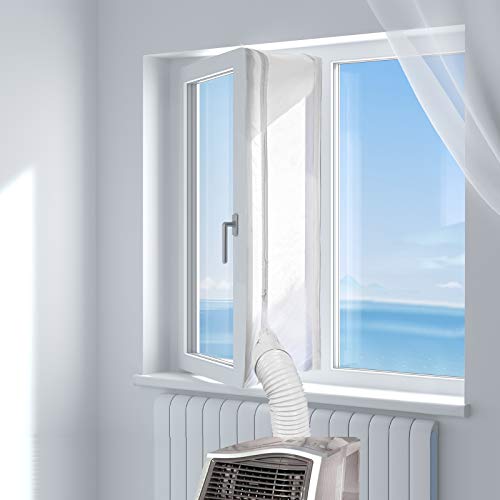
Portable AC Vent Kit for Crank Windows: The Complete Guide
Everything you need to know about choosing, fitting, and sealing a portable air conditioner vent kit for crank-out, casement, and awning windows — so your unit exhausts hot air properly and cools efficiently.
START READING
Why Crank Windows Need a Special Vent Kit
Crank windows — also called casement, crank-out, or awning windows — open outward on a hinge rather than sliding up and down. That design is excellent for ventilation and weather sealing, but it creates a real headache for portable air conditioner owners. Standard window vent kits are built for double-hung or sliding windows, where a flat panel can sit inside the frame and the window sash closes down onto it. A crank window has no sash that slides into the frame, so a different mounting approach is required.
A dedicated portable air conditioner vent kit for crank window installations solves this by using a flexible fabric or rigid panel that attaches to the window frame itself, often with a zippered or hook-and-loop opening for the exhaust hose. The window can then be cranked shut against the kit to create a reasonably tight seal. Understanding how these kits work — and what to check before ordering — is the key to getting your portable AC to cool effectively instead of recirculating its own hot exhaust.
Quick summary: Crank windows open outward, so standard sliding-window kits won't fit. You need a crank-window-specific vent kit with a fabric or rigid panel that mounts to the frame. Fit the panel tightly, insulate the hose, and seal gaps to prevent hot air from re-entering the room.
How a Crank Window Vent Kit Works
Most crank-window vent kits share a common design: a flexible, weather-resistant fabric panel (sometimes reinforced with rigid inserts) that spans the open window frame. The panel has a circular opening or zippered flap where the portable AC's exhaust hose connects. The edges of the panel attach to the window frame with hook-and-loop strips, adhesive strips, or magnetic seals.
The final step is closing the crank window itself. The window sash presses against the outside of the panel, holding it in place and compressing the fabric slightly to form a seal. Some kits also include a rigid support bar that slides into the window track to keep the panel from sagging. The result is a vent path for the exhaust hose that keeps most outside air and insects out while letting hot air escape.
Because the seal is never perfect — fabric panels have seams and gaps around the hose collar — it helps to pair the kit with a window insulation treatment or a hose cover. You can learn more about that in our guide to a portable air conditioner insulated exhaust hose.
Types of Crank Windows and Compatibility
Not every outward-opening window is identical, so verify which type you have before buying a kit:
- Casement (crank-out) windows: hinged on one side and crank open outward like a door. The most common match for crank-window vent kits.
- Awning windows: hinged at the top and crank open outward from the bottom, like an awning. Kits that fit casement windows often fit awning windows too, but the panel orientation differs.
- Push-out and roll-out windows: similar to casement but without a crank mechanism. These usually need a panel that can be held by the window's own closing pressure.
- Vertical crank windows: taller than they are wide, with the crank on the side. Measure carefully, because the panel must span the full opening.
If your window pushes open rather than cranks, our guide to portable air conditioner for push out windows covers the specific mounting options. For casement-style openings, the dedicated page on portable air conditioner for casement windows goes deeper into sizing and sealing.
What to Look for in a Crank Window Vent Kit
1. Panel Size and Adjustability
The panel must cover the window opening, with some overlap on each side so the hook-and-loop strips can anchor to the frame. Measure the width and height of the actual glass opening, then check the kit's stated coverage range. A kit that is slightly larger than your opening is safer than one that is exactly the same size, because you can always fold or trim excess fabric. Adjustable panels with multiple sections are the most flexible option.
2. Hose Diameter Compatibility
Portable AC exhaust hoses are commonly 5 inches or 6 inches in diameter, but brands differ. The kit's hose collar or zippered opening must match your hose diameter, or the hose will not seal. Measure the outer diameter of your exhaust hose before ordering. If you are still shopping for the unit itself, our overview of what to look for in a portable air conditioner covers hose sizes and other specs worth checking.
3. Attachment Method
Look for hook-and-loop or adhesive mounting that is designed to release cleanly, especially if you rent or have painted window frames. Magnetic seals are convenient for frequent installs but can lose grip on textured frames. A kit that combines hook-and-loop with a rigid support bar tends to hold the seal best, which matters for windows that face wind or direct sun.
4. Material Quality and Weather Resistance
The panel is the weakest point in the exhaust path. A durable, weather-resistant fabric with reinforced seams will resist UV fading, tearing, and moisture. If your window faces rain, look for kits described as water-resistant and consider a light overhang or drip edge. In humid climates, the added moisture load matters, so read our notes on portable air conditioner for humid climates alongside your kit choice.
5. Sealing Accessories
Good kits include foam gaskets, hose clamps, and spare hook-and-loop strips. These small parts are what make the difference between a tight vent and a leaky one. If the kit does not include them, plan to add weatherstripping and a hose cover yourself.
Common mistake: Buying a standard sliding-window kit and taping it to a crank window frame. Tape rarely holds on outward-opening frames, and the resulting leaks let hot outdoor air back in, forcing the compressor to run harder. Use a kit designed for crank or casement windows instead.
Vent Kit Options by Window Type
The table below groups kit styles by their typical application and market tier, so you can match a category to your window and expectations. It deliberately avoids absolute figures, since the right choice depends on your opening size and hose diameter.
| Tier |
Kit Style |
Best For |
Notes |
| Essential tier |
Fabric panel with hook-and-loop edges |
Casement and awning windows |
Lightweight, easy to store, good for seasonal use |
| Mid-tier |
Fabric panel with rigid support bar and hose collar |
Most crank windows, wind-exposed frames |
Better seal retention and less sagging than basic panels |
| High-end tier |
Multi-section rigid panel with weather seals |
Large crank openings and long-term installs |
Heavier and more stable; may need trimming to fit |
| Specialty |
Magnetic or zippered kit with insulated collar |
Frequent setup and takedown, tight seals |
Convenient re-opening; verify hose diameter match |
If your opening is unusually tall or narrow, see the guidance on portable air conditioner for vertical windows and portable air conditioner for long windows, which cover panel orientation and support in more detail.
Step-by-Step: Installing a Crank Window Vent Kit
A clean installation takes about twenty to thirty minutes. The goal is a panel that stays put when the window closes and a hose path that does not leak.
- Measure the opening. Measure the full width and height of the crank opening, plus the frame depth. Confirm the kit's coverage range and your exhaust hose diameter before cutting or mounting anything.
- Clean the frame. Wipe down the window frame and sill so the hook-and-loop or adhesive strips can grip. Dust and old weatherstripping reduce adhesion.
- Attach the panel to the frame. Position the panel over the opening and press the edges onto the frame. Leave a little slack on the hose side so the collar can sit flat.
- Insert the support bar. Slide any included rigid bar into the panel's sleeve or track. This keeps the fabric from sagging when the window is closed against it.
- Connect the exhaust hose. Fit the hose onto the panel collar and tighten the clamp. Check that the hose is not kinked or crushed behind the unit.
- Close the crank window. Crank the window shut until it presses the panel against the frame. Verify there are no gaps at the top, bottom, or hinge side.
- Seal and insulate. Add foam weatherstripping around the panel edges and wrap the hose with insulation if the room still feels warm. Our guide to a portable air conditioner insulated exhaust hose explains why this matters.
- Test the airflow. Run the unit and feel around the panel for escaping hot air. Small leaks can be closed with extra strips or a fabric patch.
Sealing Tips for Better Cooling
Close the Leaks Around the Panel
Even a well-fitted panel has small gaps where the fabric meets the frame. Self-adhesive foam weatherstripping around the perimeter closes those gaps without damaging the frame. Check the hinge side and the crank mechanism area, which are the most common leak points on outward-opening windows.
Insulate the Exhaust Hose
The exhaust hose radiates heat back into the room as it carries hot air outside. A fabric hose cover reduces that heat gain. This is especially important for longer hose runs or for units placed near a sunny window. If you are weighing a two-hose design, our comparison of single hose portable air conditioner setups versus dual-hose models explains the trade-offs.
Stop Hot Air Re-Entering the Room
Portable ACs pull room air to cool the condenser and push it out the exhaust. If the panel leaks, outdoor air creeps back in and the unit fights itself. Sealing the panel is the single biggest performance upgrade you can make. In very hot rooms, running a ceiling fan on low alongside the unit helps distribute cool air without adding load.
Pro tip: Place the portable AC as close to the crank window as possible. A shorter, straighter exhaust run means less heat pickup and better overall efficiency. Avoid bends tighter than 90 degrees.
Troubleshooting Crank Window Vent Setups
The Panel Keeps Falling Out
This usually means the panel is undersized for the opening or the frame surface is too smooth for the adhesive. Add a rigid support bar, clean the frame with alcohol, and press the strips firmly for thirty seconds. If the window does not close tightly against the panel, a thicker foam gasket can take up the slack.
Hot Air Is Coming Back In
Check the hose collar first — a loose clamp is the most common culprit. Next, inspect the panel seams and the hinge side of the window. Add weatherstripping or a fabric patch, and confirm the hose is not disconnected behind the unit. A portable air conditioner not vented to outside will always struggle, so verify the exhaust path is actually open.
The Unit Cools but the Room Stays Warm
This is often a capacity or placement issue rather than a kit issue. Check that the unit's cooling capacity matches the room size, and keep the exhaust run short. If the room is large or open-plan, see the guidance on a portable air conditioner that can cool a room for sizing considerations. For supplementary use in a home with central air, our notes on portable air conditioner to supplement central air may help.
Condensation and Dampness
In humid conditions, portable units collect water. Many kits do not affect drainage, but if you are dealing with frequent tank emptying, our overview of portable air conditioner with self evaporating system explains how some models reduce manual draining.
Crank Windows vs Other Window Types
Understanding how crank windows differ from sliding and casement alternatives helps you pick the right kit the first time:
If you have both a crank window and a slider in the same room, the slider is usually the easier venting route. But when the crank window is the only option, a properly fitted kit works well. For a broader look at window compatibility, the portable air conditioner window kit for crank window guide is a useful companion read.
Matching the Kit to Your Room
The vent kit is only one part of the equation. The unit's capacity and the room's characteristics determine whether the setup actually keeps you comfortable.
Small Bedrooms and Apartments
A compact unit with a properly sealed crank-window kit works well in a bedroom or studio. See portable air conditioner for small bedroom and portable air conditioner for studio apartment for capacity guidance.
Offices and Rooms Without Standard Windows
If your office has only crank windows, the same kit principles apply. For rooms with no windows at all, different venting approaches are needed — see portable air conditioner for office without windows and portable air conditioner for room with no window.
Campers and RVs
Crank windows are common in campers. Our guide to portable air conditioner for camper covers compact units and venting tips for small spaces.
Frequently Asked Questions
Can I use a standard window kit on a crank window?
Usually no. Standard kits rely on a sliding sash pressing down onto a flat panel. Crank windows open outward and have no sash in the track, so you need a fabric or rigid panel designed to mount to the frame and be pressed by the closing window.
How do I measure my crank window for a vent kit?
Measure the full width and height of the open glass area, plus the frame depth. Compare those dimensions to the kit's stated coverage range, and confirm your exhaust hose diameter matches the kit's collar.
Will the vent kit damage my window frame?
Hook-and-loop and removable adhesive strips are designed to release cleanly. Clean the frame first and avoid permanent adhesives if you rent or have painted trim. Test a small area before applying strips to the full perimeter.
Does the kit work with any portable AC brand?
As long as the hose diameter matches the kit's collar and the panel covers your opening, most kits are brand-agnostic. Check the hose size before ordering, since 5-inch and 6-inch hoses are both common.
How do I stop hot air from leaking around the panel?
Add foam weatherstripping around the perimeter, tighten the hose clamp, and consider an insulated hose cover. Small gaps on the hinge side are the most common leak points.
Ready to Set Up Your Crank Window Vent Kit?
A crank-window vent kit turns an awkward window into a workable exhaust path. Match the panel to your opening, seal the edges, insulate the hose, and your portable AC will cool far more effectively. If you are still choosing a unit, start with our guide to what to look for in a portable air conditioner, then pair it with the right kit for your window.
For related window-specific advice, explore our pages on portable air conditioner for crank out window and portable air conditioner for vertical crank windows.
Browse our recommended portable air conditioners and vent kits below to find the right match for your crank window.
VIEW RECOMMENDATIONS