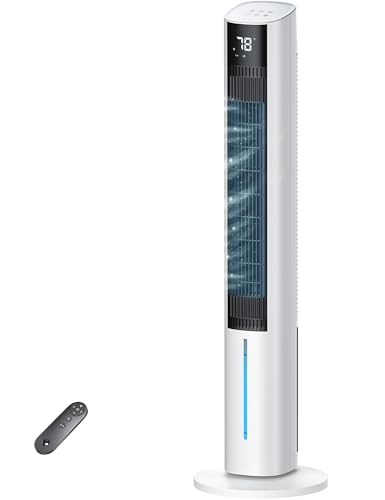
Moving Cool Air Conditioner: The Complete Portable Cooling Guide
A moving cool air conditioner — commonly called a portable AC — gives you spot cooling wherever you need it, without permanent installation. This guide explains how these units work, how to choose the right one, and which features matter most before you buy.
Who this guide is for: If you are researching a moving cool air conditioner before purchasing, you are in the right place. This page walks you through the technology, the practical trade-offs, and the buying criteria that separate a well-matched unit from one that disappoints — so you can make a confident, informed decision.
What Is a Moving Cool Air Conditioner?
A moving cool air conditioner is a self-contained cooling unit mounted on casters or wheels. Unlike a window unit or a split system, it can be rolled from room to room and requires no permanent wall or window modification. Inside the cabinet, the same refrigeration cycle used in other AC types does the work: a compressor circulates refrigerant through an evaporator coil and a condenser coil, absorbing heat from the indoor air and releasing it outdoors through an exhaust hose.
The key distinction is mobility. The entire cooling system — compressor, coils, fan, and controls — travels with the unit. That flexibility makes portable ACs a practical answer for renters, home offices, attic rooms, garages, and spaces where ductwork or window installation is impractical. If you are weighing whether this category fits your situation, our overview of portable AC units covers the broader landscape of models and use cases.
How the Cooling Cycle Works in a Portable Unit
- Warm room air is drawn in through the front intake grille by the internal fan.
- The evaporator coil absorbs heat from that air as refrigerant evaporates inside the coil.
- Cooled air is blown back into the room through the adjustable louvers.
- The compressor raises refrigerant pressure and temperature, moving the captured heat to the condenser coil.
- The condenser fan exhausts that heat outdoors through the vent hose connected to a window or wall opening.
- Condensate water is either collected in a tank, drained through a hose, or evaporated by the unit's self-evaporating system.
Because the condenser must reject heat somewhere, every portable AC needs a vent path. Understanding this single design constraint explains most of the practical advice that follows.
Main Types of Moving Cool Air Conditioners
Portable cooling units are not all built the same way. The configuration you choose determines efficiency, installation effort, and how well the unit handles humidity. These are the categories worth knowing:
Single-Hose Portable AC
The simplest design: one exhaust hose carries hot air out through a window kit. Easy to set up, but the unit pulls replacement air from the room, which can create slight negative pressure. Best for occasional spot cooling in smaller spaces.
Dual-Hose Portable AC
Separate intake and exhaust hoses let the condenser breathe outdoor air instead of room air. This improves cooling efficiency and keeps room pressure more balanced. A stronger choice for longer daily use.
Portable Heat Pump
Reversible models that cool in summer and heat in cooler months using the same refrigeration cycle. Useful in garages, converted spaces, and rooms with inconsistent seasonal comfort. See portable heat pump options for the dual-season approach.
Ventless / Evaporative Coolers
These are not refrigerated ACs. They cool by evaporating water and work best in dry climates. If you need true refrigeration without a vent, explore portable AC units that don't require venting carefully — most so-called ventless models are evaporative coolers, not compressor ACs.
Two related designs deserve separate attention. A portable air conditioner without an outdoor unit keeps everything indoors, with only a hose leading outside. Meanwhile, a portable ductless mini split air conditioner offers a different balance of efficiency and portability for buyers who want more cooling capacity per unit of energy.
Venting Options and Window Compatibility
The venting method is often the deciding factor in whether a portable AC works well in a given room. Most units ship with a sliding window kit, but window style matters. Here is how the common scenarios break down:
- Sliding windows: Standard kits work well. A portable air conditioner sliding window kit seals the gap around the hose panel.
- Casement windows: Crank-out windows need a dedicated panel. Look for a portable air conditioner for casement windows or a portable AC window kit for casement windows.
- Crank-out windows: These swing outward and require a specific bracket. A portable air conditioner crank out window kit handles the geometry.
- No window at all: Options exist, but they are limited. Review portable air conditioner for room with no window solutions before committing.
- Basement windows: Small, high-set windows need compact panels. A portable air conditioner for basement window setup is the right starting point.
Improving Venting Performance
Heat leaking back through the hose undermines cooling. An portable air conditioner exhaust hose insulation sleeve keeps the exhaust stream hot until it reaches the outdoors. For units with separate intake and exhaust paths, understanding portable air conditioner intake and exhaust airflow helps you position the unit for best results. If your only opening is an unconventional one, a portable air conditioner window kit for crank window may be the missing piece.
Sizing a Moving Cool Air Conditioner
Portable units are rated in BTU per hour. Undersizing leaves the room uncomfortable; oversizing cycles the compressor on and off without removing enough humidity. Use the room's square footage and ceiling height as a starting point, then adjust for sun exposure, occupancy, and appliance heat.
| Room Size | Typical Capacity Range | Best For |
|---|---|---|
| Up to 150 sq ft | 5,000 – 8,000 BTU | Bedrooms, home offices, small studios |
| 150 – 250 sq ft | 8,000 – 10,000 BTU | Medium bedrooms, living areas |
| 250 – 400 sq ft | 10,000 – 14,000 BTU | Large bedrooms, open-plan living rooms |
| 400 – 700 sq ft | 14,000 – 18,000 BTU | Studio apartments, basements, converted garages |
For very compact spaces, a portable air conditioner for very small room keeps capacity matched to the load. Larger open areas benefit from a dedicated portable air conditioner for 500 sq ft room class unit. If you are cooling a whole apartment, a portable air conditioner for 1000 square feet arrangement usually means multiple units or strategic zoning rather than one oversized machine.
Beyond square footage, factor in south- or west-facing windows, kitchen heat, and the number of people regularly in the room. A sun-baked top-floor bedroom may need one capacity step above the table. If your AC struggles even when correctly sized, the issue may not be capacity at all — our troubleshooting guide on portable air conditioner not cooling enough covers the usual causes.
Features That Matter Before You Buy
Portable ACs vary widely in how pleasant they are to live with. These are the features that make the biggest day-to-day difference:
Self-Evaporating System
Recycles condensate to cool the condenser coil, reducing how often you empty the tank. A portable air conditioner with self evaporating system is far more convenient in humid rooms.
Drainless or Low-Drain Design
Some units rarely need manual draining. Compare portable air conditioner no drain required models and portable air conditioner that doesn't need draining designs for hands-off operation.
Inverter Technology
Variable-speed compressors modulate output instead of cycling on and off. A portable air conditioner with inverter technology runs quieter and holds temperature more steadily.
Wi-Fi and Smart Control
Schedule cooling and adjust settings from your phone. A portable air conditioner with WiFi control is useful for pre-cooling a room before you arrive.
Combined Heating and Cooling
Dual-purpose units extend usability across seasons. Explore portable combination heating and air conditioning units or a portable air conditioner and heater unit.
Dehumidification Mode
In humid climates, moisture removal matters as much as temperature. A portable air conditioner for humid climates with a strong dry mode keeps rooms comfortable without over-cooling.
Also weigh noise levels, hose diameter, and filter accessibility. A unit with a washable filter and clearly labeled controls is easier to maintain. For rooms where noise is critical, a portable air conditioner without outdoor unit still makes compressor noise indoors, so check decibel ratings before deciding. If you want the flexibility of cooling multiple rooms from one outdoor connection, compare this category with multi zone mini split systems, which trade portability for higher efficiency.
Market Tiers: Which Class of Unit Fits Your Needs?
Portable ACs fall into recognizable market tiers. Rather than shopping by numbers, understand what each tier delivers so you can match the unit to your usage pattern.
| Tier | Typical Characteristics | Best For |
|---|---|---|
| Essential tier | Single-hose venting, basic mechanical or simple digital controls, manual drain tank, modest airflow | Occasional spot cooling, small bedrooms, short cooling sessions |
| Balanced tier | Dual-hose or improved single-hose design, self-evaporating system, programmable timer, washable filter | Daily use in home offices, bedrooms, and living areas |
| High-end tier | Inverter compressor, Wi-Fi control, low-noise operation, heat pump capability, smart scheduling | Long daily runtime, sleeping rooms, remote management, multi-season use |
| Professional-grade | Heavy-duty cabinet, high airflow, commercial spot-cooling duty cycle, rugged casters | Workshops, server rooms, event spaces, commercial spot cooling |
As a rule, balanced-tier and high-end-tier models deliver more stable temperature control and better humidity handling than essential-tier units, which is why they suit rooms occupied for hours at a time. For commercial environments, a portable commercial air conditioning unit is built for longer duty cycles and harsher conditions.
Installation and Daily Use Checklist
Setting up a moving cool air conditioner takes minutes, but a few details determine performance:
- Choose the right window. Confirm your kit fits the frame before positioning the unit. Casement and crank-out windows need specific panels.
- Position for airflow. Leave clearance around the intake and exhaust. Do not block the front grille with furniture.
- Seal the window panel. Foam tape and the supplied sash seal prevent hot air infiltration.
- Insulate the exhaust hose. A sleeve reduces heat radiating back into the room.
- Level the unit. Most portable ACs need to sit level for proper condensate management.
- Plan drainage. Know whether your model self-evaporates or needs a tank emptied or a hose connected.
- Clean the filter regularly. A clogged filter reduces airflow and cooling performance.
For camping, temporary setups, or off-grid scenarios, review portable air conditioning unit for camping guidance, and if you need cooling without mains power, the portable air conditioner without electricity overview explains the realistic options. Renters moving between units may find portable air conditioning units for rent useful for short-term needs.
Frequently Asked Questions
Does a moving cool air conditioner need to be vented?
Yes. Any portable AC with a compressor must exhaust heat outdoors through a hose. Ventless devices are evaporative coolers, not refrigerated air conditioners, and they work differently. If a window is unavailable, specialized setups exist, but they still require an exhaust path.
Can a portable AC cool more than one room?
Only indirectly. Portable units cool the space they sit in. To cool multiple rooms, you either move the unit between rooms, use multiple units, or consider a multi-zone system such as a multi zone ductless heating and cooling system.
Why does my portable AC keep shutting off?
Common causes include a full condensate tank, a blocked exhaust hose, a dirty filter, or a compressor protection cycle after rapid restarts. Check the tank and hose first, then inspect the filter and airflow path.
How often should I drain the water tank?
It depends on humidity and usage. In humid conditions, a manual-drain unit may need emptying daily. Self-evaporating models can go much longer, and drainless designs may need only occasional attention. Check the full-tank indicator regularly.
Is a portable AC as efficient as a window unit?
Generally, no. Portable units lose some efficiency because the compressor and condenser share the indoor space, and the exhaust hose radiates heat. Dual-hose and inverter models narrow the gap. For permanent installations, window or mini-split systems are usually more efficient.
Can I use a portable AC in a room without windows?
Technically you need a path for exhaust air — a window, a wall vent, a ceiling opening, or a door gap with a custom panel. Without any exhaust route, a compressor-based unit cannot reject heat effectively. Explore ventless alternatives only if you understand their limitations.
Bottom Line
A moving cool air conditioner is a practical cooling solution when permanent installation is impossible or unnecessary. Focus on three decisions: the venting path available in your room, the capacity matched to your square footage and heat load, and the tier of features that fits how often you will run the unit. Get those right, and a portable AC can keep a bedroom, office, or converted space comfortable through the cooling season. For related categories, explore our guides on portable air conditioner on wheels and portable cooling systems to compare form factors and use cases.